

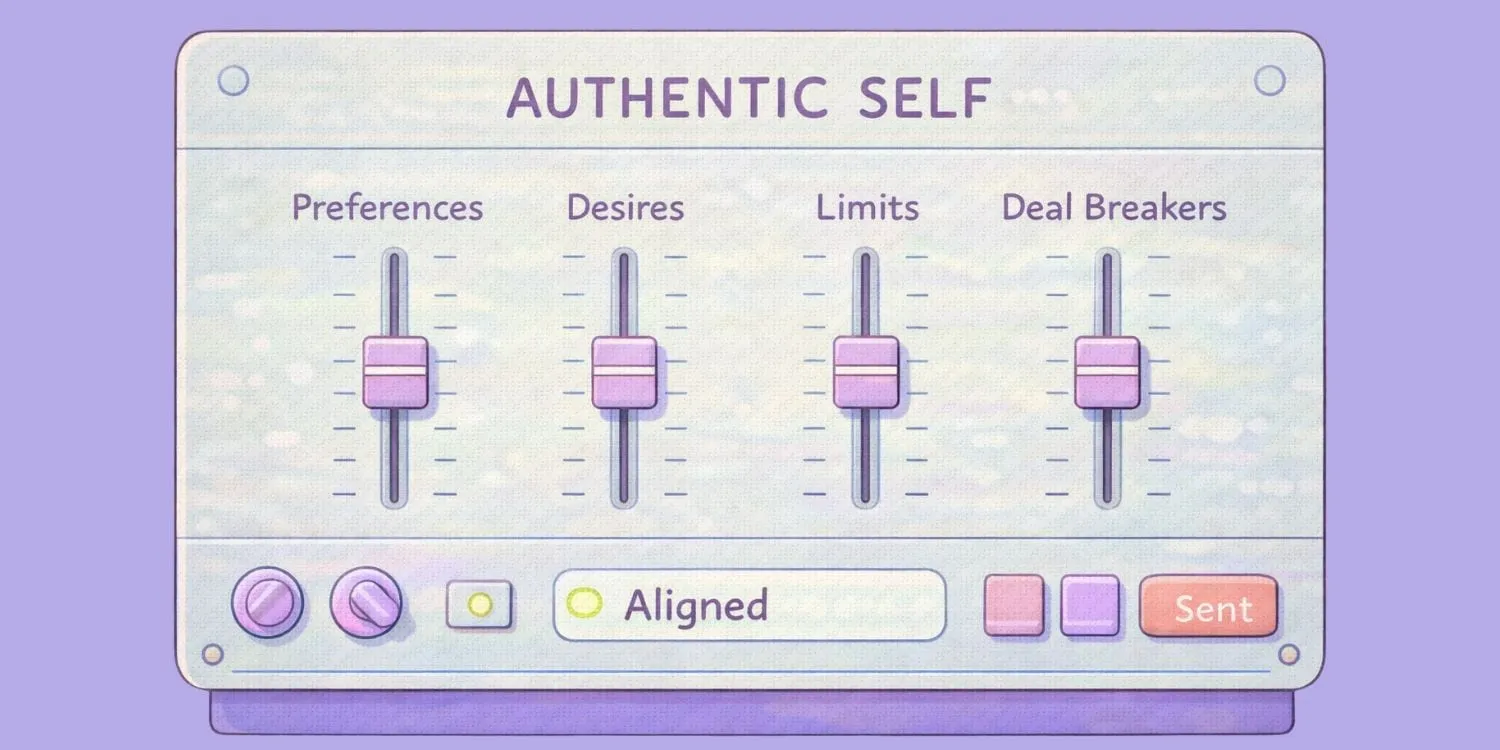
21 self-discovery questions to help you reconnect with your authentic self, clarify your values, and live in alignment with who you are.
Somewhere between filters, expectations, and constant doom scrolling, we drifted from ourselves.
Society rewards conformity to the point that being our authentic selves can feel like an act of rebellion. But what if authenticity isn’t a self-help cliché? What if it’s an act of remembering who we are and what makes us feel whole? What happens when we stop trying to prove ourselves and start allowing ourselves to simply be?
What Does It Mean to Be Your Authentic Self?
To be authentic is to live in alignment with your core values. These are your preferences, desires, limits, and deal breakers. It’s showing up as you are, not as you think you should be.
Authenticity isn’t about sharing every thought or being unapologetically blunt.
It’s quieter than that. It looks like saying what you mean instead of what sounds right.
It’s admitting when something doesn’t feel true for you, even if it’s uncomfortable.
It’s knowing what matters to you, and letting that guide how you show up.
When your outer life finally reflects your inner one, you don’t only find balance. You find peace.
Why Authenticity Matters More Than Ever
1. Authenticity and Mental Health
Pretending to be someone you’re not is exhausting. Over time, that gap between your real self and the version you show the world can lead to anxiety, stress, and burnout.
A meta-analysis of 65 studies found a strong link between authenticity and well-being, showing that people who live more authentically tend to feel happier and more fulfilled (Sutton, 2019). Another study showed that people who feel they’re living authentically report higher vitality, life satisfaction, and meaning (Schlegel et al., 2011).
2. Realness Creates Real Connection
We all want to feel seen, not for the version we curate, but for who we really are. Yet the more we hide behind what’s “acceptable,” the lonelier we become. Masks might protect us from judgment, but they also block us from love.
True connection begins the moment we stop performing and start allowing ourselves to be known. It’s the moment we risk saying, “This is me.”
Research from UC Berkeley’s Greater Good Science Center notes that authenticity fosters emotional safety and closeness, the foundation of meaningful relationships and healthy teams (Greater Good Berkeley, 2023).
3. Authenticity Fuels Purpose and Success
Authenticity doesn’t mean you stop striving. It means you start striving for the right things. When you’re honest about your strengths and limitations, you stop chasing someone else’s definition of success and start building your own.
Studies show that authenticity at work predicts higher engagement, motivation, and job satisfaction (Van den Bosch & Taris, 2014).
Similarly, authentic leadership is associated with better team morale and fulfillment (Arriagada-Venegas et al., 2023).
The Barriers That Keep You from Being Real
If authenticity feels hard, it’s not because you’re failing. It’s because the world teaches us to trade truth for approval.
Here are a few common barriers:
- Fear of Rejection: The belief that the real you won’t be accepted.
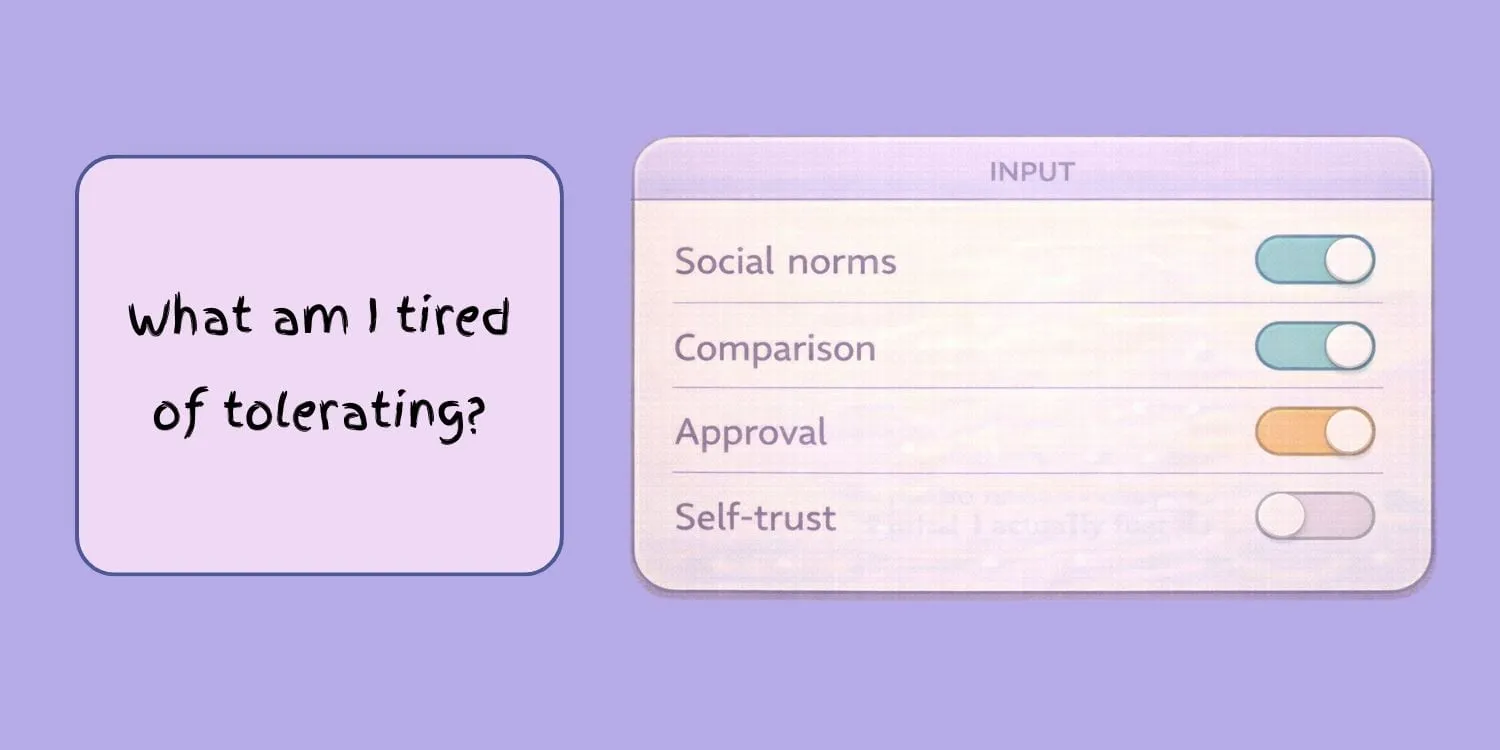
- Cultural and Social Pressure: The constant hum of “should.”
- The Comparison Trap: Measuring yourself against highlight reels instead of real lives.
- Lack of Self-Knowledge: You can’t live your truth if you haven’t taken time to know it.
There is a way back to yourself, and it isn’t found in perfection or performance. It begins with paying attention and asking better questions.
How to Reconnect with Your Authentic Self in 21 Questions
These 21 questions are an invitation to pause, listen, and remember who you are by getting specific about your core values.
You don’t have to answer them all at once. Let them breathe. Write your answers down. Come back to the ones that stir something in you.
Preferences
- What do I lose track of time doing?
- What lights me up?
- What do I look forward to doing?
- What kind of environment helps me feel calm and clear?
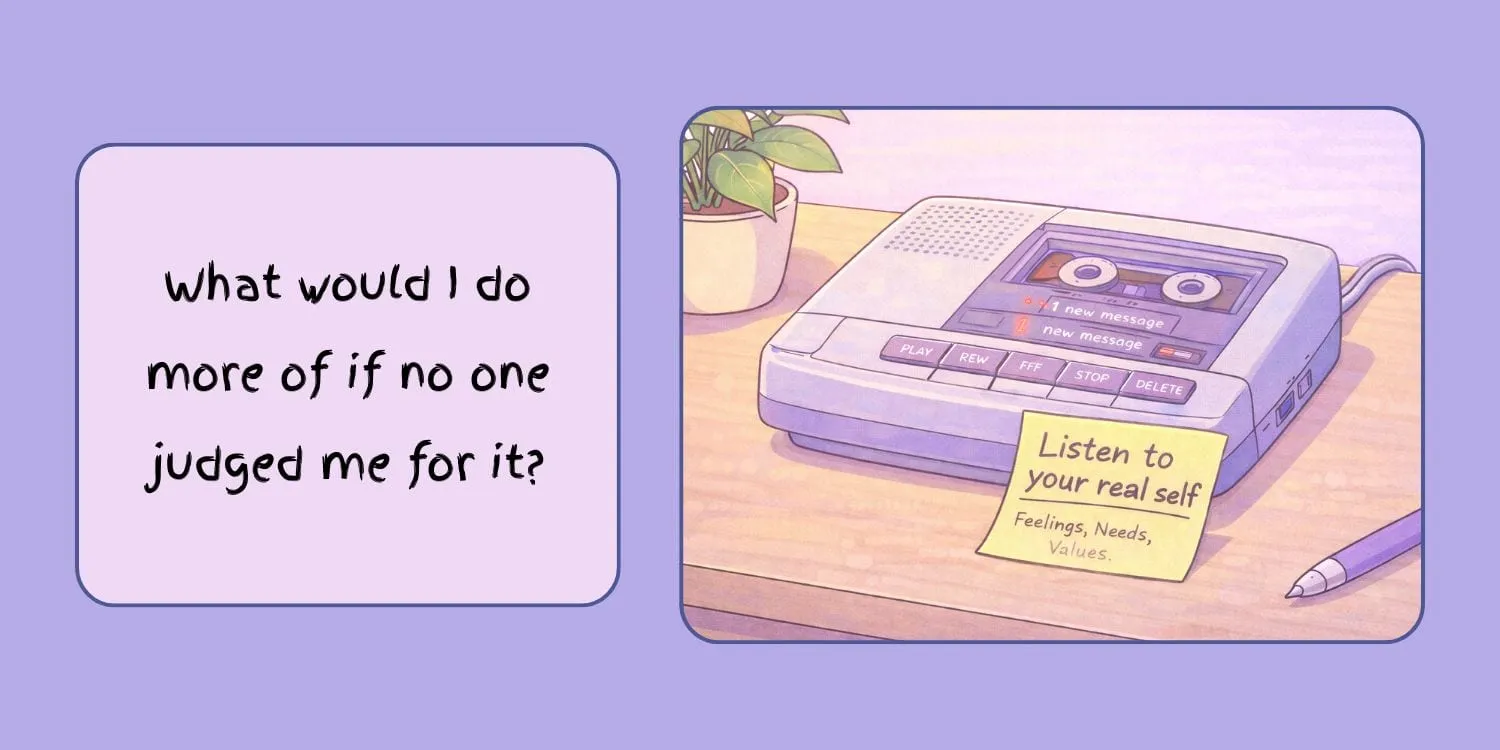
- What would I do more of if no one judged me for it?
Desires
- What kind of experiences do I crave?
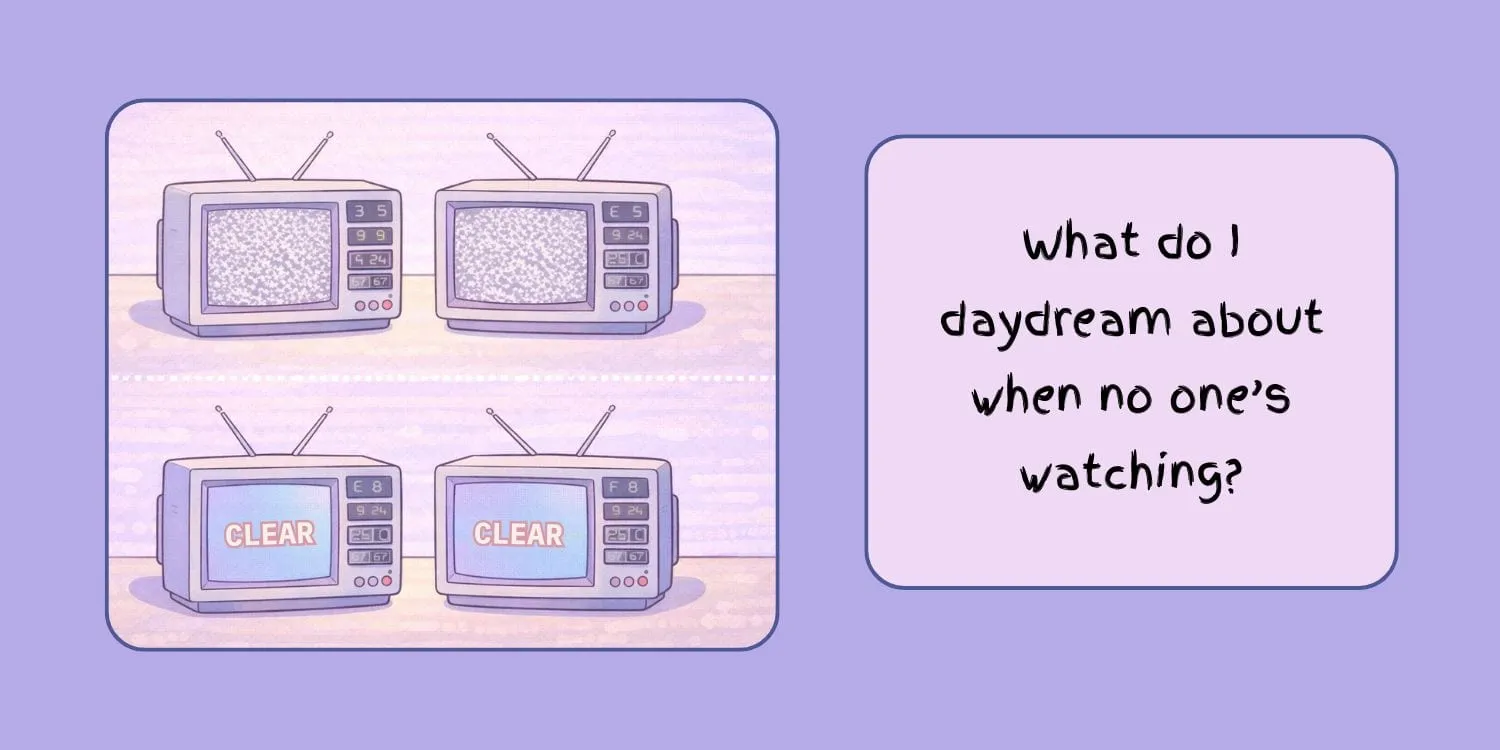
- What do I daydream about when no one’s watching?
- What does “enough” look like for me?
- What do I wish I had the courage to do?
- What would my ideal day actually feel like?
Limits
- What situations leave me feeling resentful or used?
- What am I tired of tolerating?
- How does my body tell me I need to step back?
- What kinds of behavior cross a line for me?
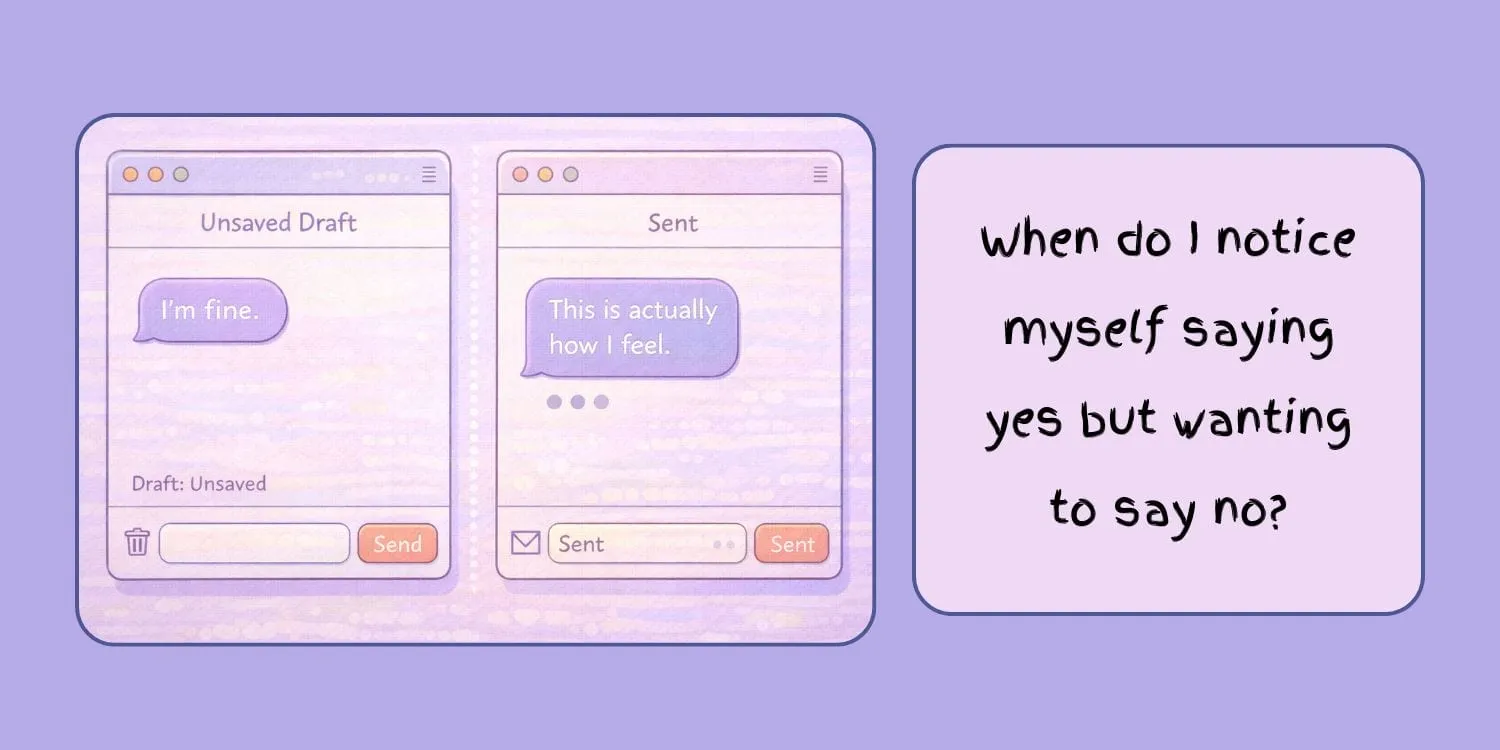
- When do I notice myself saying yes but wanting to say no?
Deal Breakers
- What will I never trade for love, success, or belonging?
- What behavior instantly makes me feel unsafe or disrespected?
- What do I walk away from, even if it costs me approval?
- What situations make me feel small or silenced?
- What’s a hard “no” for my peace of mind?
- What kind of life am I no longer willing to live?
Coming Home to Yourself
Reconnecting with yourself happens in the quiet moments when you decide to really listen.
It’s saying no when your body says no.
It’s choosing curiosity over judgment.
It’s catching yourself mid-performance and gently stepping back into honesty.
With consistency and patience, one day you’ll look around and realize the life you’re living finally feels like your own.
💡 Ready to shed some of the masks you wear?
👉 Check out our Self-Improvement Spaces