What Has Stayed Constant, Even as My Mind Has Changed
I have changed my mind about a lot of things throughout my life, but I have remained loyal to curiosity as a guidepost. I believe in its ability to churn out revelations again and again, challenging rigid frameworks that remain stubborn in their resistance to revision. My commitment to asking “Why?”, “How?”, and “Who benefits from this?” has stayed with me through a mental landscape that has weathered more seasons and storms than I can count.
These questions have shaped the way I take in information, acting as a filter. New ideas have to pass a series of internal checks before my brain registers them as credible and worth absorbing. I believe this instinct is what led me toward a career in advocacy, politics, and human rights.
What Happens Once You Start Seeing Injustice
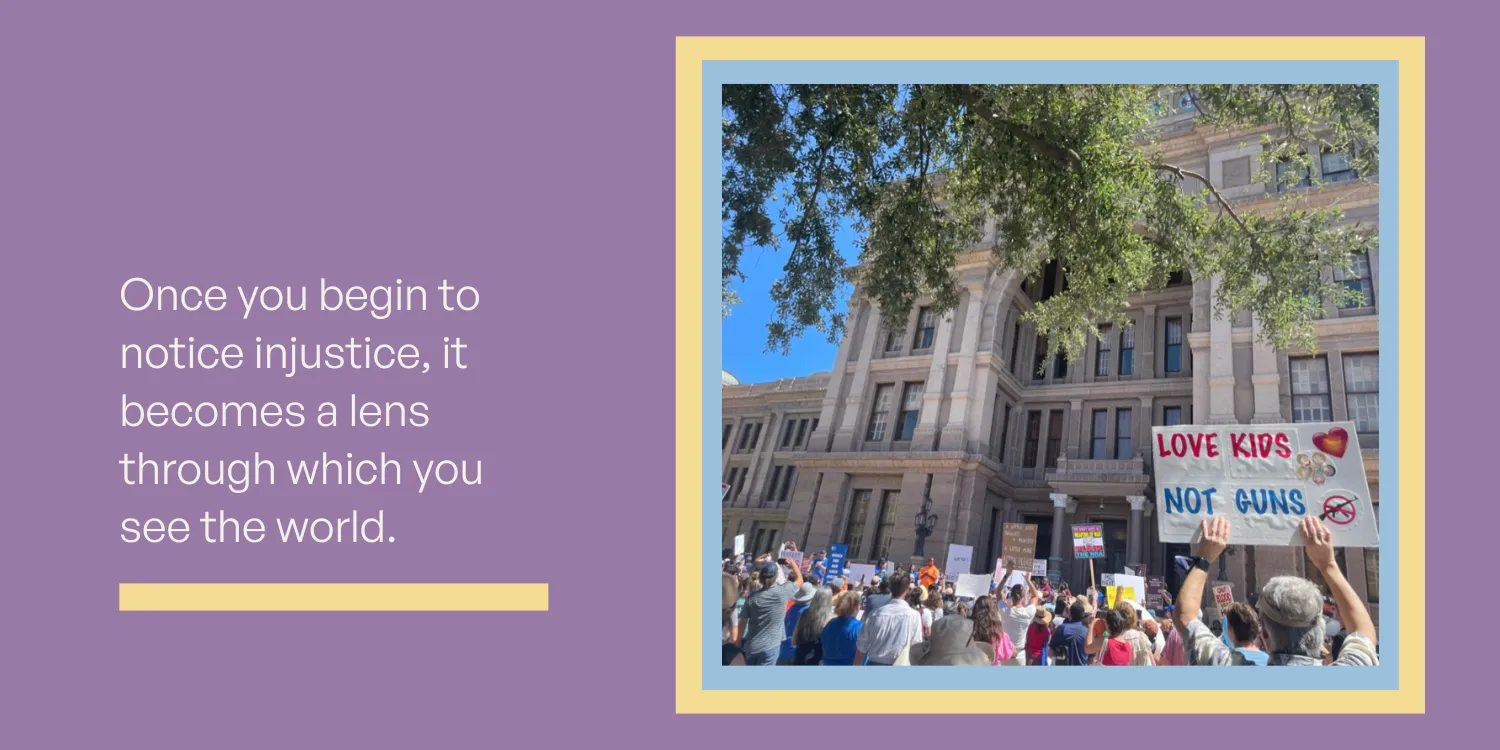
Once you begin to notice injustice, it becomes a lens through which you see the world. Whether it starts with something you learn in a class, media that exposes it, or news headlines that seem to grow more devastating by the day, you start to see it everywhere.
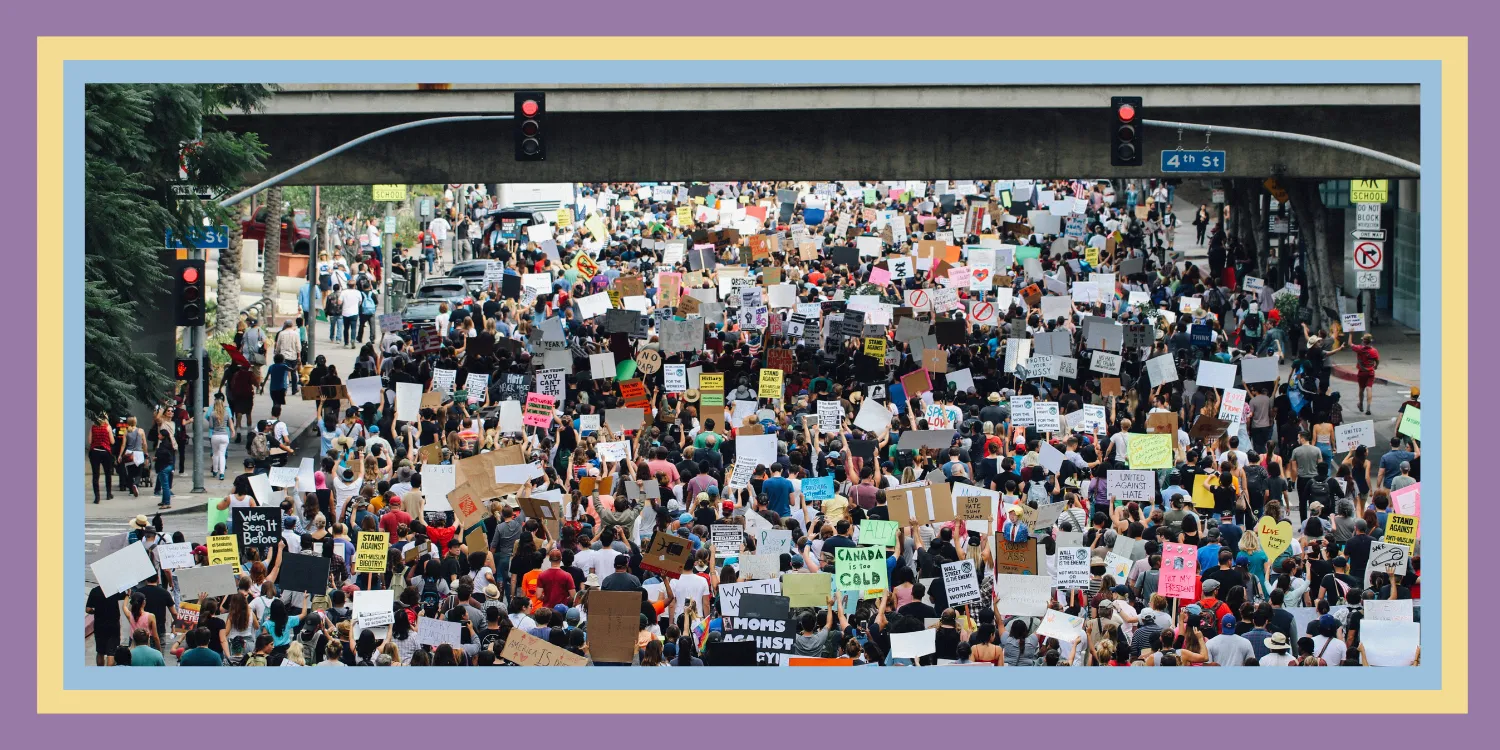
You see it in highways that act as real-life borders between redlined neighborhoods and predominantly white neighborhoods. You see it in anti-homeless architecture downtown, in healthcare systems that prioritize profit over livelihoods, and in policymaking that works to keep constituents from having a real say. It becomes impossible to unsee because it is everywhere.
When Injustice Stopped Feeling Abstract
One of my most formative encounters with injustice happened from a distance. I was thirteen years old, watching television as breaking news announced that twenty elementary school students and six educators had been shot and killed at Sandy Hook Elementary in Newtown, Connecticut.
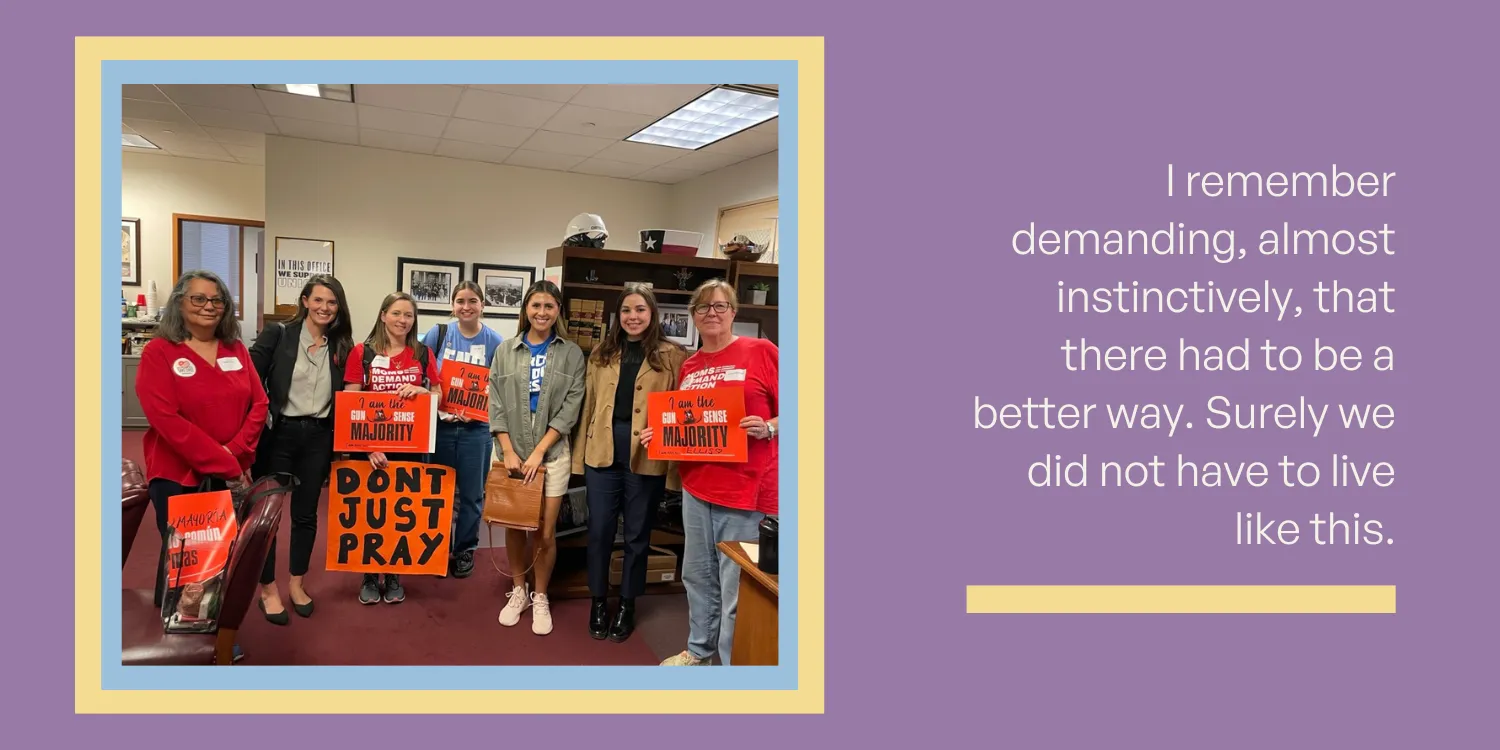
I watched frightened children run into their parents’ arms at a reunification center and imagined all the children who would never get the chance to do so again. I could not fathom the unfairness of it all. I remember demanding, almost instinctively, that there had to be a better way. Surely we did not have to live like this.
What to Do When You Realize the System Isn’t Built to Help
At sixteen, I worked my first restaurant job and quickly became aware of the daily food waste. What disturbed me most was watching perfectly good pastries get thrown into the dumpster simply because they hadn’t sold that day.
After one shift, I went home and started researching what I could do. With no real money of my own, the internet told me my best option was to meet with my local state representative and try to persuade them to write a bill addressing the issue. So I wore the only blazer I owned and met with my local representative. I explained what I had witnessed, along with how many unhoused and impoverished people in Austin could benefit from food that was still entirely edible.
He told me he would take my concerns into consideration, but that he believed in a government as limited as possible. He didn’t want to draft a bill telling businesses what they should or shouldn’t do with their leftover baked goods. I never heard from his office again, despite following up.
Where I Believed Real Change Could Happen
At eighteen, I moved to Los Angeles and studied political science. Academic research became the foundation for my viewpoints, which were beginning to take shape, helping me understand how power operates and who controls the levers of legislative change.
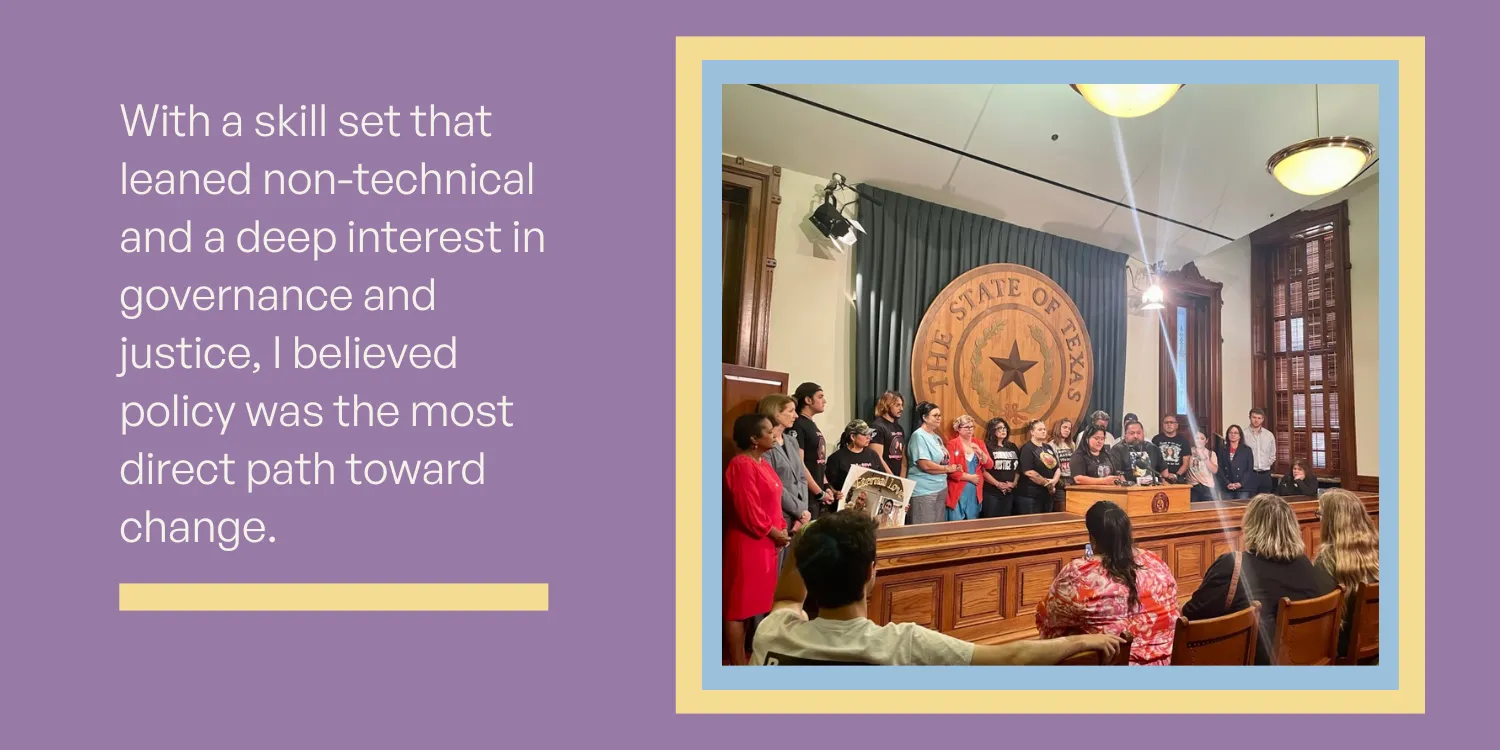
With a skill set that leaned nontechnical and a deep interest in governance and justice, I believed policy was the most direct path toward change. I worked in a state senator’s office, volunteered with NGOs and think tanks, and gained exposure to a wide range of issues, from gun violence and youth engagement to conservation, sustainability, and voter protection.
How I Pushed Through Heart-Wrenching Times
After college, I worked on political campaigns and for NGOs, spending most of my professional career fighting to end gun violence in Texas and across the United States. I had the privilege of traveling abroad extensively and studying in France, Italy, and Australia, so I understood what it feels like to live without the constant threat of being shot in public or private spaces.
At the same time, I also grew up in Texas around gun owners and hunters and people who believed wholeheartedly in their God-given rights to own firearms, with any threat to that ownership perceived as a threat to their personhood. Holding all of this at once, I knew I could not sit by idly as people continued to die entirely preventable deaths.
I wanted to be knee-deep in the work, in the rooms where decisions are made that determine whether an 18-year-old can purchase a semi-automatic, assault-style rifle. In those rooms, you’ll find survivors, people who themselves were injured or whose loved ones were injured or killed by the same kind of weapon. I have listened to hours of testimony that would break your heart if you have one, descriptions of the ways in which children were slaughtered and pleas for help that went unanswered. I have listened to the responses of legislators, ranging from dismissal to outrage to grief to remorse to apathy.
Whenever I think of leaving this work, due to burnout, fatigue, or whatever else, I think of the survivors, and I trek on.
Why I Still Have Hope
Despite so many losses, both political and personal, I remain hopeful. I remain patriotic. I believe our nation can be better and will be better.
I have witnessed more goodness than destruction, and I will not quit until justice, equity, and peace are achieved.
What This Space Is, and Who It Is For
My upcoming Space, Politics, Society & Advocacy, is an extension of the work I've already done. It is designed for people like me who are curious, who ask questions about the state of our world and their role in making it a better one.
You do not need a background in politics or advocacy to attend. You just have to receive the invitation from the part of you that cares about the issues affecting so many of us. I hope to see you there and continue the conversation, together.
Join me in an upcoming Space and be part of the conversation. Sign up for free here.