
How a three-year-old with two scoops of rice grew into an adult who learned moderation the hard way.
I know that practice makes perfect. Everything I do repeatedly will eventually become routine. I usually associate this idea with learning an instrument or a new sport. Muscle memory. But I can also apply this thinking to self-help techniques like eating later in the day, starting every morning with a glass of water, and taking social media breaks.
Imagine my surprise when I realized my bad habits didn’t appear out of thin air: they formed through repetition until they became the norm.
I’m like a bulldog: cute, stubborn, and addicted to overeating. The only time I felt in control of my habit was after a breakup so bad I survived on carrots and water. Sure, I was probably at a caloric deficit, but after being stuck on the other end of the spectrum for so long, it felt like moderation. For a while, my actions matched my brain’s wish for balance. But it wasn’t thanks to discipline or willpower.
Heartbreak, I learned, is a terrible long-term meal plan.
My weight has always fluctuated. I was athletic, but never as thin as I thought I should be. That alone fueled my cycle of dissatisfaction. It followed me for years until one night I caught myself reaching for crackers just ten minutes after finishing dinner. I started searching for the why. It took me years to pose the question, but not very long to find a few answers.
I have this memory of sitting at a dinner table in Manila, my home until I was five.
The table was wooden.
The night was humid.
I was in a sando (tank top) and shorts.
Maybe it was ours, maybe a family friend’s table. This could’ve been any night, really, or a series of them. Little three-year-old me, consuming an adult-sized portion of food. I didn’t serve myself; it was put there, at least I think.
Then the words came, a woman’s voice sternly commanding: “Finish your food!”
Finish my food? I had started with two scoops of rice, a quarter of a chicken, and a mound of stewed vegetables. I was more than halfway through the meal, horribly sweaty and disgustingly full. In case you forgot, I was only three years old.
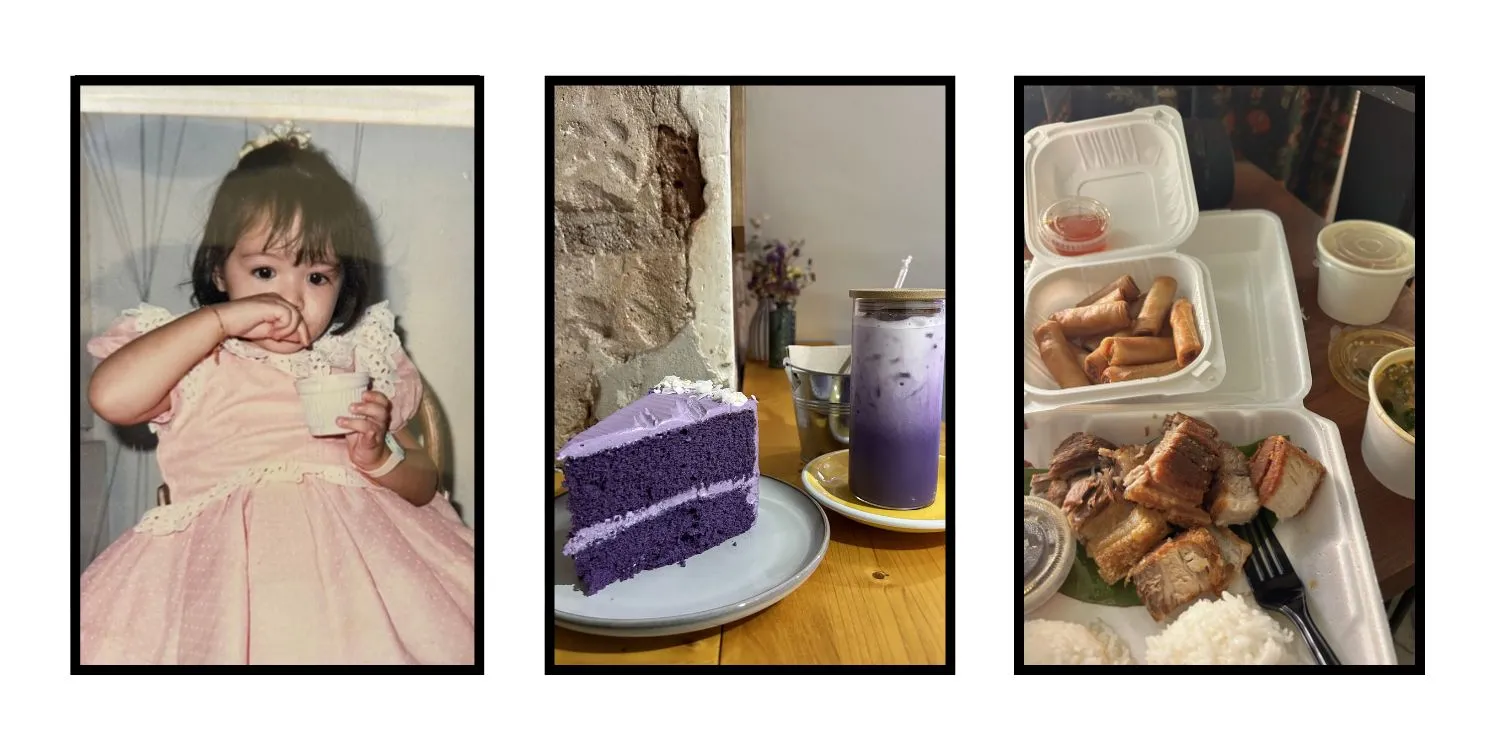
“Finish your food,” the voice said again. I protested, but in Filipino culture obedience to your elders is absolute. So I reluctantly did as I was told and kept eating.
That night wasn’t unique. Liver had been shoved into my mouth since before I could talk, like I was training for an eating competition I still haven’t entered.
I get it: everyone wants to feed the kid. She’s cute! How else does an adult relate? You give the kid food to sustain her life. Also when you have nothing to talk about, when she throws a tantrum, and when you’re both bored.
What no one thinks about is the lasting impact food can have on the adult a child becomes.
I surprised myself one evening while living in San Francisco. I was somewhere between 12 and 14. The trip to the mall, Stonestown Galleria, with my mom and aunt was cut short because my mother threw a tantrum about God knows what. Maybe I was walking too fast or too slow.
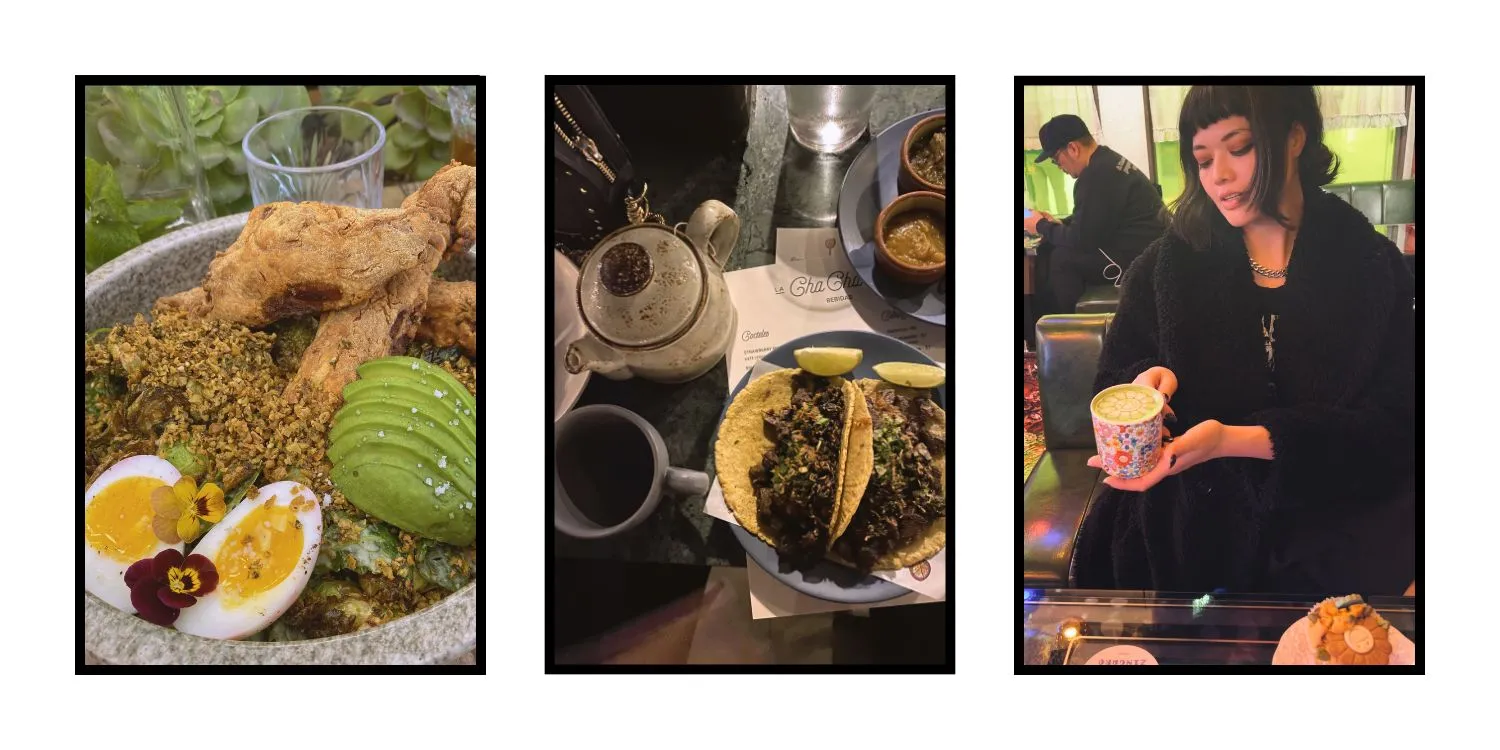
Back at home, I found a can of Cheez-Ums, turned on the TV, and started going at it, absentmindedly shoveling them into my mouth as if I’d run out of air if there was a break between bites. My aunt pressed me on the mall situation, something like asking if my mom was always like this and if I was okay. The tension, naturally, had followed us home.
I remember telling her this was normal, then surprising myself when I added: “That’s why I’m eating. So I don’t have to think about it.”
The words startled me. It’s striking, really, that at that age I already knew I was using food as a coping mechanism. When the words left my mouth, I felt as if I was bullshitting my aunt, saying something to keep the conversation going or at least to offer an answer to her question. I was so used to holding it all together, so good at dissociating, that I couldn’t fully recognize what honesty felt like.
At that moment, I didn’t curate my thoughts; I simply let them out. I ate food so that I wouldn’t feel so hurt.
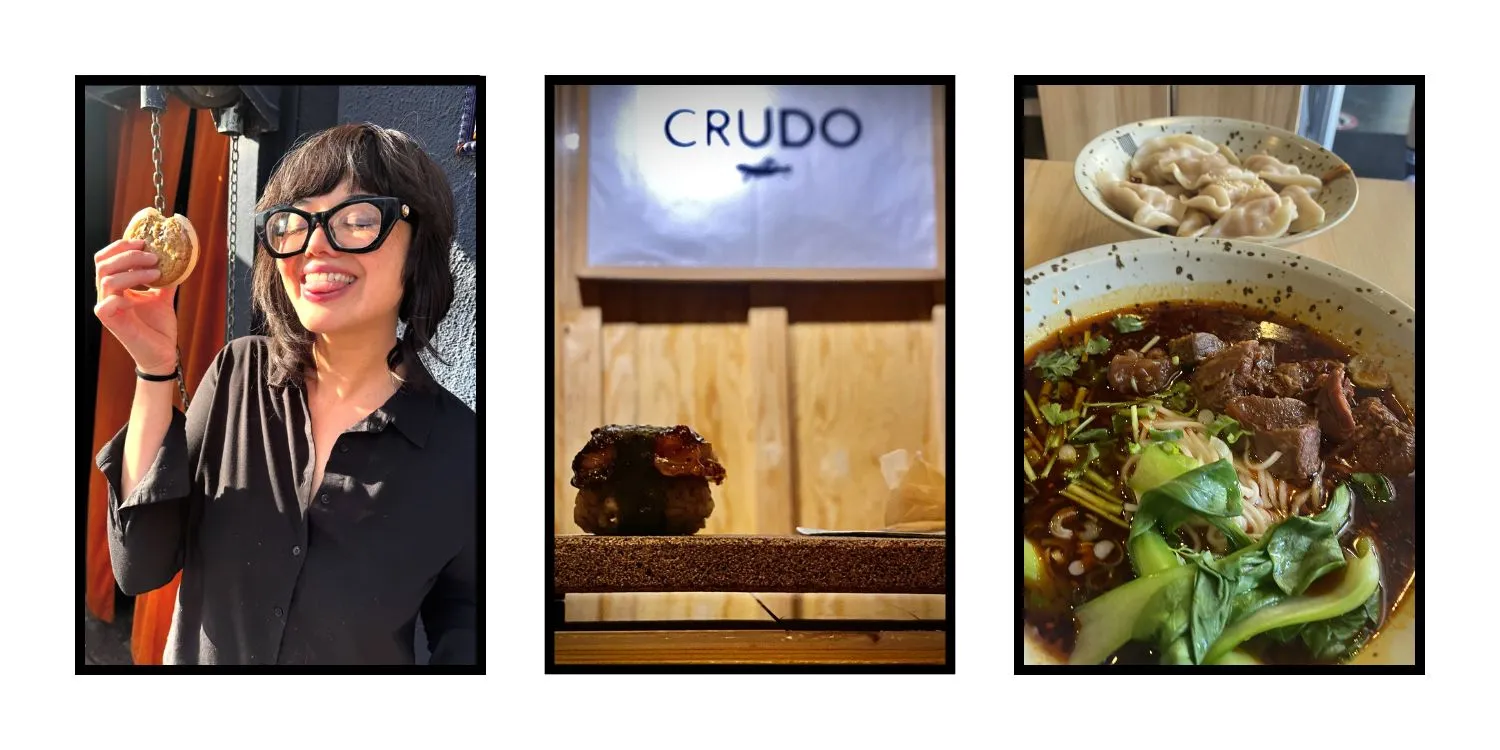
They say it takes 30 days to make or break a habit. Do the same rules apply when you’ve had it your whole life? I still find myself reaching for an extra meal or snack when I’m under duress. And though it pains me to struggle with this compulsion, this habit, I have to silence the shaming vultures on my shoulder by reminding myself of the changes I’ve made over the years.
I’ve made progress in ways that matter. I stopped smoking weed habitually. I follow through on social commitments. I’ve held down the same jobs for three years, a stable source of income I never thought I’d have. I’ll record a self-tape even when I don’t feel like it, and I’ve recommitted to my craft by going back to acting classes. I don’t go to parties when I’m in a dark place. I get out of bed more days than not. I return most phone calls. I’ve left situations that no longer serve me. Even the smaller shifts count: I stopped buying chips every week, and I eat salads.
I’m dealing with life instead of retreating completely. Because of that, I can cut myself some slack for the times I need to escape, knowing that I’m actively striving to be the version of myself I can be proud of. More importantly, I’m working very hard at being proud of the versions of myself along the way. That includes the smallest shifts. There are nights when I catch myself finishing my food even after I’m uncomfortably full. But there are other nights when I don’t. Both truths can exist, and I’m learning to give myself credit for the difference.
Ready to accept yourself, messy parts and all?
👉Check out our Self-Improvement Spaces!