Trigger Warning: seizures, medical trauma and parenting a child with a diagnosis
Writing has always been my favorite outlet. It’s not just a way for me to feel seen, but a way to lend my voice to someone who might still be searching for the right words.
But every time I sit down to write about my son, I find that my fingers press the delete button faster than I can articulate my thoughts. I think the hardest thing about writing this particular chapter of my life is that I am co-creating it with someone else. And that leaves me feeling completely debilitated.
But the longer these words live in my bones, the heavier it gets to move through the world.
So, I am going to do my best to share a bit of my son’s story (no matter how many times I press delete). I hope that in sharing this, it allows other parents to feel seen. I hope it allows me to walk a little lighter, and above all, I hope that if my son reads this someday, it lets his inner child feel held. I hope I used the right words, but more importantly that I left out the wrong ones. I hope I emphasized how incredibly loved and perfect he is.
I hope.
March is Cerebral Palsy Awareness Month, which, to be honest, I only know because just shy of my son’s first birthday, he was diagnosed with right hemiplegic cerebral palsy.
If you’d like to learn more about cerebral palsy, you can read more about it here.
One of the hardest things about motherhood is that it asks us to examine our limitations and then requires us to go farther. We think we know sleep deprivation in our third trimester of pregnancy, and then we learn the utter exhaustion of their first few days of life. We think we have shaken hands with heartache, and then we hear our babies cry out in pain for the first time.
What both of my children, but particularly my son, has taught me in his first few years of life is that there is always room for more. More pain, more exhaustion, more fear, more awe, and always more love. The first time I held my son I didn’t think there could be a bigger, more perfect love, but somehow each day, and as our family grew, there was and is a continuous reserve of it.
Something the baby books don’t warn you about, though, is all the love you find wrapped up in pain. The sharp ache in your chest when you pack away that first onesie. The heaviness in your throat the last time you nurse your baby to sleep. All the independence you root (and beg) for, you find yourself grieving between the cheers.
Parenthood is lined with a thousand ways to grieve, a million ways to love, and sometimes it’s hard to know which hurts more.
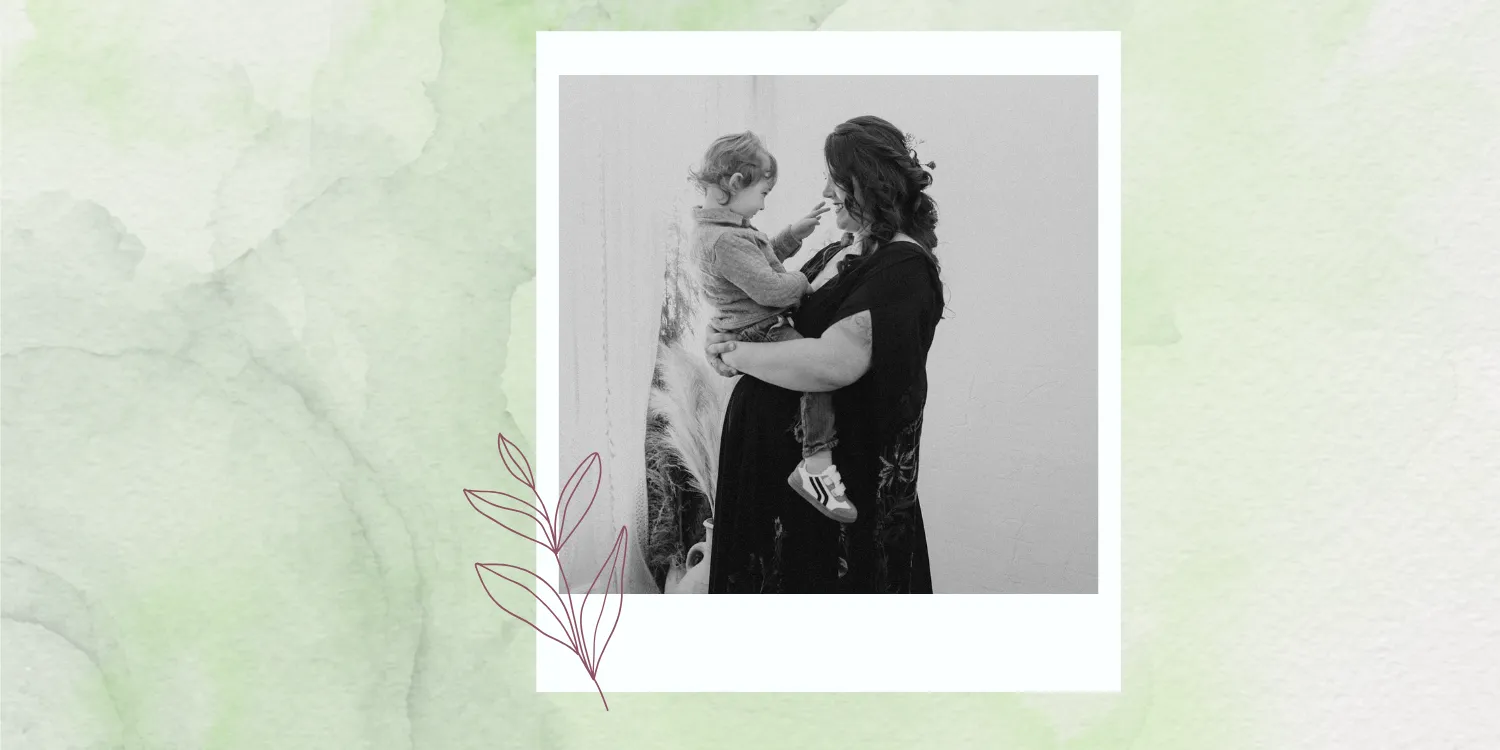
My son's diagnosis of cerebral palsy knocked the wind out of me, but I don’t think I allowed myself to understand what it actually meant for my son, let alone myself, until very recently. When he was diagnosed, I wanted so desperately for my son to never feel different that I compartmentalized it, instead of giving him, and especially myself, the tools we needed to process what it meant.
Following his diagnosis, I joined some Facebook support groups, I followed the doctors’ recommendations, and then I went about my life as if nothing was different. But really everything was.
I don’t think it was denial, and I know it wasn’t shame. In reflecting, I think it was just survival. And maybe I needed that. But I don’t want to just survive anymore. I want to thrive, and grieve, and feel every bit of our lives together.
I didn’t get here willingly, though. It took an awakening I wasn’t prepared for.
A month ago, at just 3 years old, my son suffered a massive seizure.
It completely shattered the capacities I thought as a mother I was capable of. It shattered the limits of the fear, grief, and love I believed my body could experience and still survive. I left parts of myself lying next to my son that day that I will never get back. The parts that naively thought I had the power to keep him safe, but also the part of me, however small it may have been, that took him for granted.
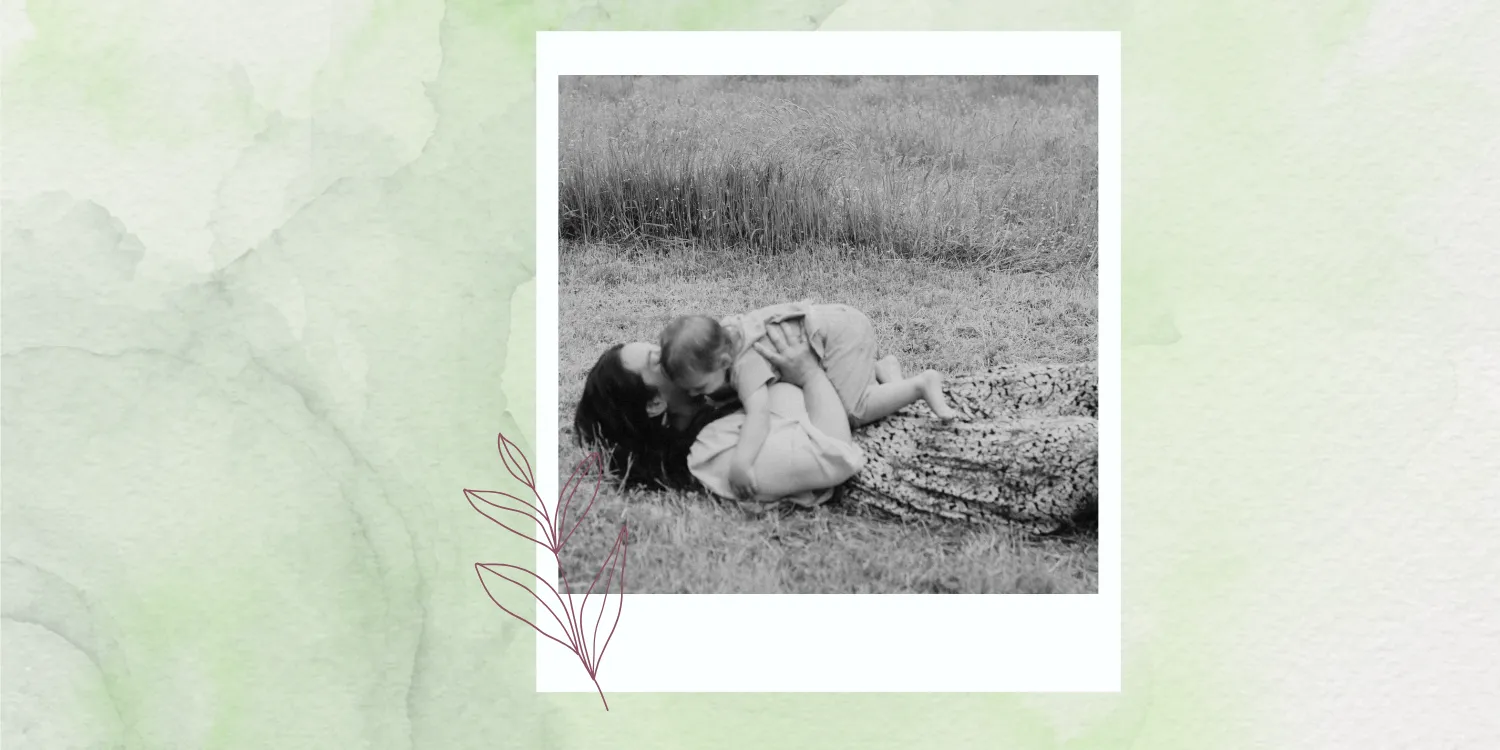
Since that day I feel like I’ve been holding my breath, but also every time I kiss my son’s head I linger just a little longer. I put my phone away more. I raise my voice a little less.
I mentioned earlier how parenthood asks us to examine our limitations and then requires us to go further. Mothering my son has taught me that we have this infinite supply of inner resources that live in us and are there when we need them. They give us the power to lift cars off our babies, the superhuman energy to survive sleep-deprived while our babies lie in the NICU and the strength to watch our children suffer something unimaginable without succumbing to the powerlessness of it all. But also, within that reserve of untapped abilities, there is a capacity for vulnerability we never could have imagined.
When my son had his seizure, I watched him lie beside me completely unresponsive, as a team of medics worked on him. I squeezed his hand and hoped he would just say something. It was a helplessness and pain no parent or child should ever have to suffer. The sort of anguish I didn’t think I could survive, and definitely didn’t think I could have the capacity to relive again.
But here I am.
I hate that my son has cerebral palsy, and I hate that my son had a massive seizure, and I don’t have the sort of optimism to pull a silver lining out of it all, because my son isn’t a plot line.
But, there are parents all over the world holding their babies’ hands next to a hospital bed just like I was. Some have a hopeful prognosis, many don’t, and I want those parents to know it’s not okay. It’s not okay that some children will never get to walk, or live past 5 or have to be on permanent seizure meds. For me, having a child with a diagnosis points to all the cruelness of this world, and it’s okay to not be okay with it.
If you parent a child with a condition, illness or diagnosis, however you feel, whether it’s numbness or anger or exhaustion, I see you. It’s okay to say while you hate that your child has to go through more than other kids their age, that you wouldn’t have them any other way. It’s okay to say that you are doing everything you can, and still feel completely helpless. And it’s okay to say that while you don’t want any other parent to have to go through this, you’re really glad you don’t have to go it alone.
After my son’s seizure, it felt like this veil had been lifted, and I needed to be witnessed by other parents that understood what I was going through. So, I started a support group for Parents of Children with Diagnoses. It’s a space where parents navigating diagnoses can come together to talk honestly about the parts of this journey that don’t get enough, if any airtime. It doesn’t have a fluffy name, because a lot of what we do isn’t fluffy. But we do it, not because we were “chosen”, not because we have more energy or money or capacity. We do it because our children require that we do.
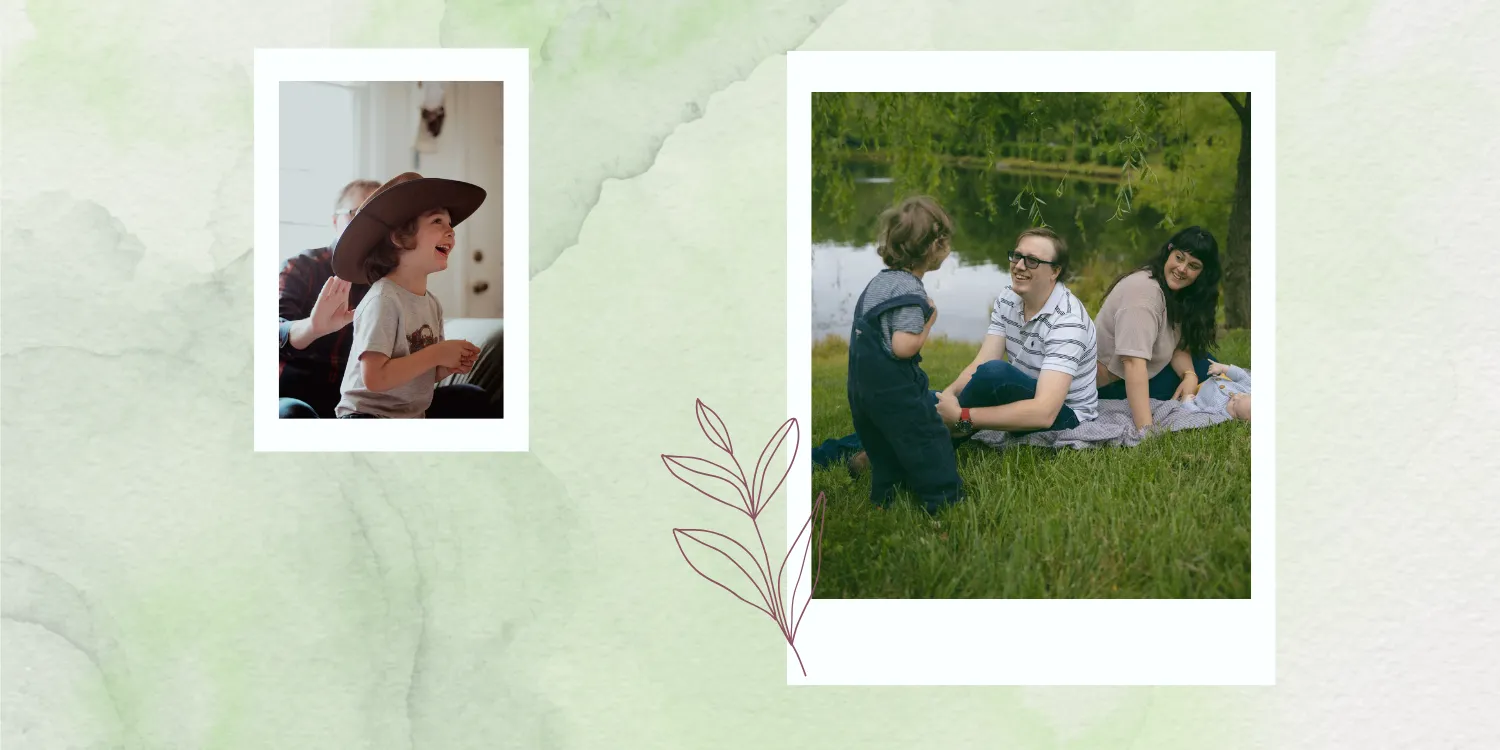
No matter how many times we hit our limits, emotionally, financially, physically, we keep going further, not because we want to, but because that is what is necessary. Everything we navigate, from endless appointments to heartaches that feel impossible to face again, we move through by reaching, again and again, into that infinite well of superhuman capacity and doing it anyway. We do it broke, we do it tired, and we often do it scared. I can’t change any of that for myself or for anyone else. But what I can do is offer a soft landing place to navigate all of it, together. Because just because we can do it, doesn’t mean we should have to do it alone.
I don’t really want to be writing this. I don’t feel like a qualified spokesperson for cerebral palsy, and I didn’t set out to lead spaces for parents navigating diagnoses. But I will, because I know how heavy it is when it sits in your bones for too long.
I might not be able to change certain parts of my story (no matter how many times I try to press delete), but as long as I get to keep writing, I will tell them candidly. I’ll write about the tears, yes, but also how many of them were shed in joy over overcoming another milestone. I’ll write about the moments that once felt impossible to hold, but also how I was able to carry them with other parents who have been there too. And I want to write about that big, expansive love I have for my children, the kind that reaches out and pulls me from the trenches every time I think I just can’t.
I want to write about my son, even if it’s hard and even if I don’t always want to.
Because hard stories deserve to be told too.