

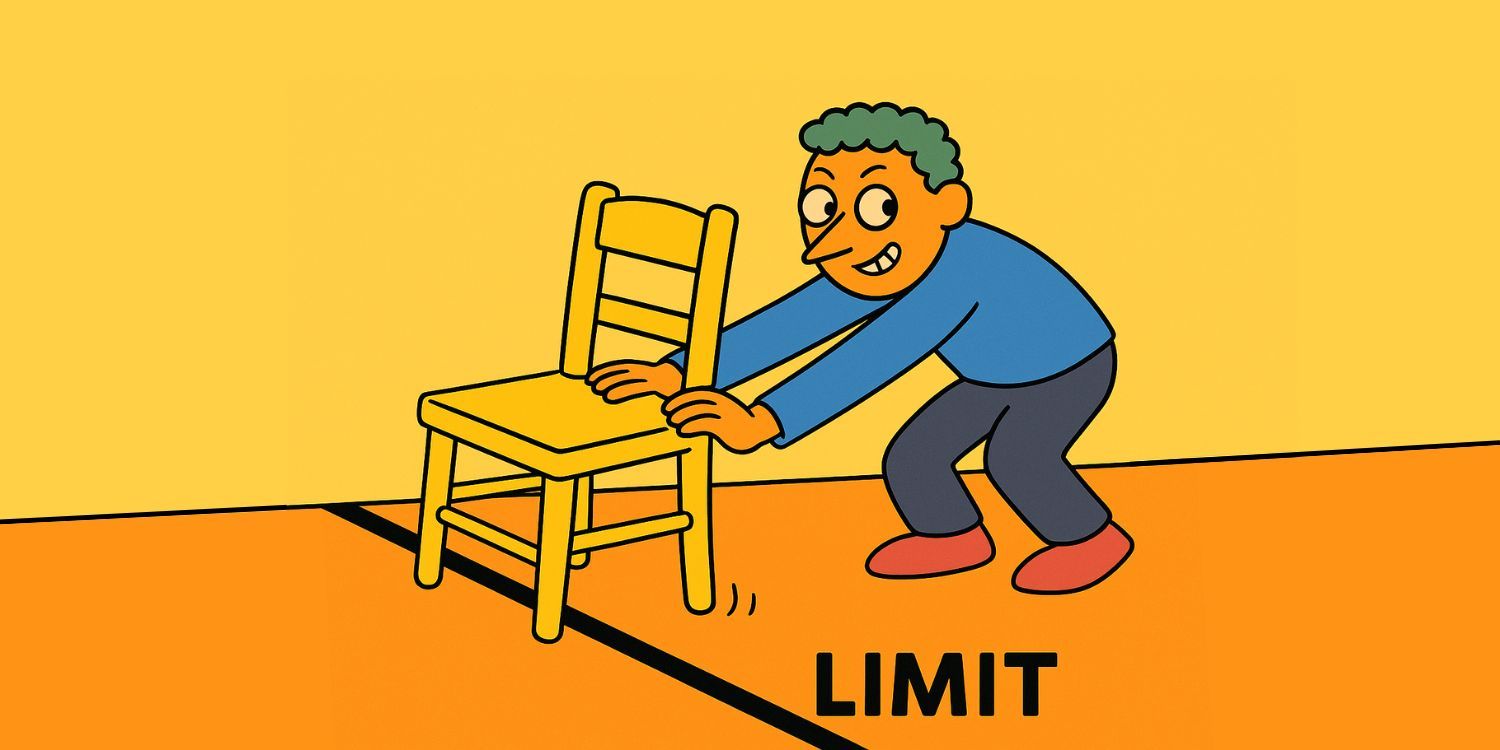
Learn how to enforce boundaries when they’re tested. Discover proven strategies, scripts, and techniques to maintain respect and protect your well-being.
You’ve told a friend you can’t hang out tonight, but they show up anyway. Or you’ve set a rule with coworkers not to call after hours, yet your phone still buzzes at 10 PM. Sound familiar? Setting boundaries is important, but the real challenge is enforcing them. Using clear boundary enforcement strategies ensures your limits are respected and your relationships stay healthy.
Why Boundary Enforcement Is Essential
People test boundaries for many reasons: to see if you’re serious, out of habit, or because they benefit from crossing your limits. Your response determines whether your boundaries will be respected in the future. Without enforcement, boundaries can slip into empty promises, and people learn your limits are negotiable. Consistency shows you respect yourself and expect the same in return. It is not about being harsh, but about protecting what matters most to you.
Understanding Boundary Violations
Boundary violations can take many forms. Recognizing them quickly makes it easier to respond with clarity and confidence. Common patterns include:
Direct violations: Someone ignores your stated boundary outright.
Example: You ask not to be called after 9 PM, yet your phone still rings at 10.
Boundary pushing: Someone tests how flexible your limit is or tries to bargain it down.
Example: “Come on, just this once.”
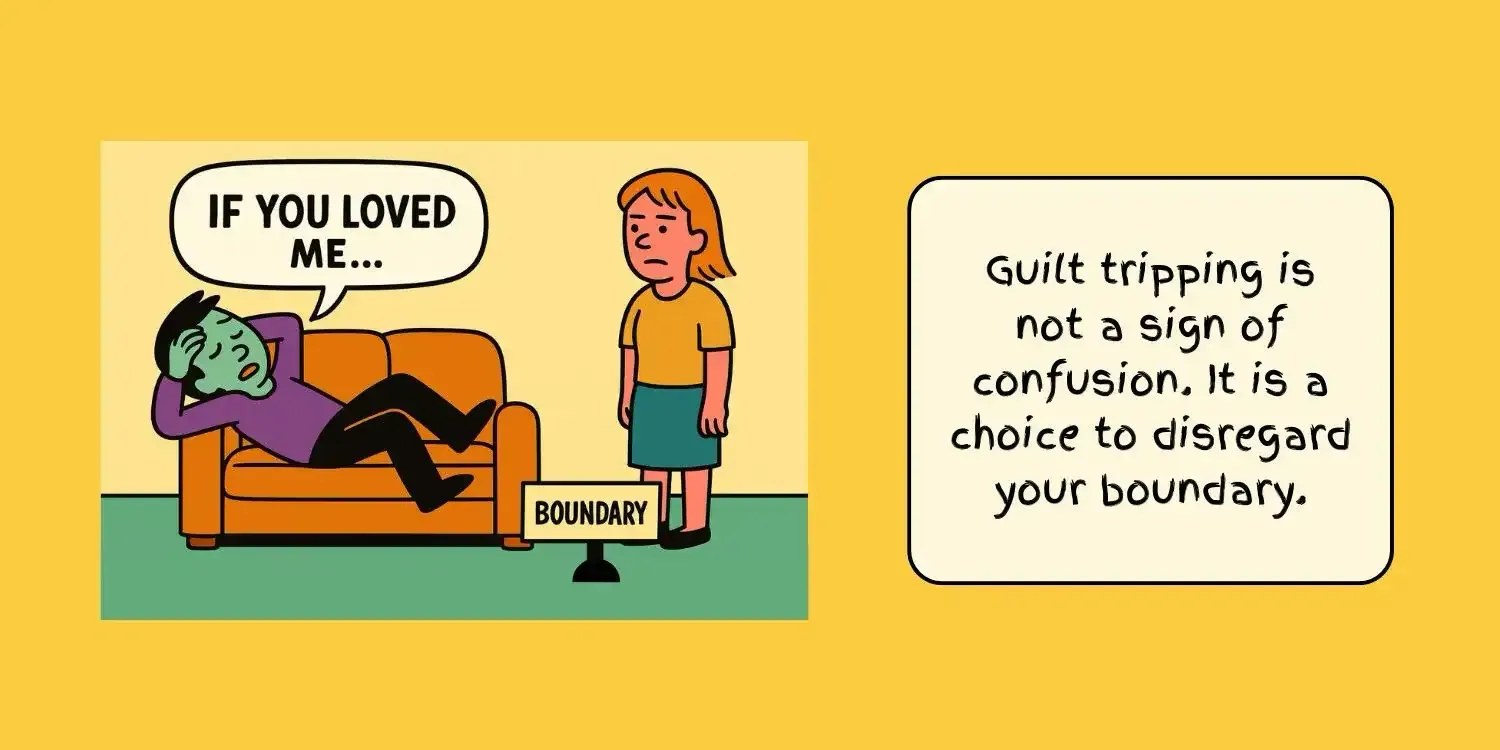
Guilt-tripping: Someone uses emotional pressure to make you feel bad for holding your boundary.
Example: “If you really cared, you’d do it.”
Spotting these patterns helps you separate genuine misunderstanding from intentional disregard, so you can respond firmly without second-guessing yourself.
The STOP Method for Boundary Enforcement
This four-step method helps you respond calmly and consistently, even when emotions are running high.
Start by stating the boundary clearly. Use straightforward language so there is no room for misunderstanding. For example: “I’m not available after 9 PM.”
Take immediate action. Do not wait days to address the issue. If a friend shows up uninvited, kindly send them home rather than letting it slide.
Offer one chance for correction. This step is optional, but it allows the other person to adjust without conflict. You might say, “I asked not to discuss work at dinner. Let’s change the subject.”
Persist with consequences. If the boundary continues to be ignored, follow through with a natural consequence. For example, if late-night texts keep coming, silence notifications or block the number.
Essential Boundary Enforcement Strategies
Once you set a boundary, the real work is holding it steady. These strategies give you practical ways to respond when someone crosses the line, so you can stay calm, consistent, and confident.
Follow through right away
Respond the moment a boundary is crossed. Waiting or hesitating makes it easier for others to dismiss your limits.
Example: If someone keeps texting after you have asked for space, silence your phone or block their number temporarily.
Rely on natural consequences
The most powerful consequences flow directly from the boundary itself. They feel fair, not forced.
- Boundary: “I don’t discuss work during family dinner.”
Consequence: Change the subject or step away from the table. - Boundary: “I need 24 hours’ notice for babysitting requests.”
Consequence: Politely decline last-minute requests.
Create healthy space
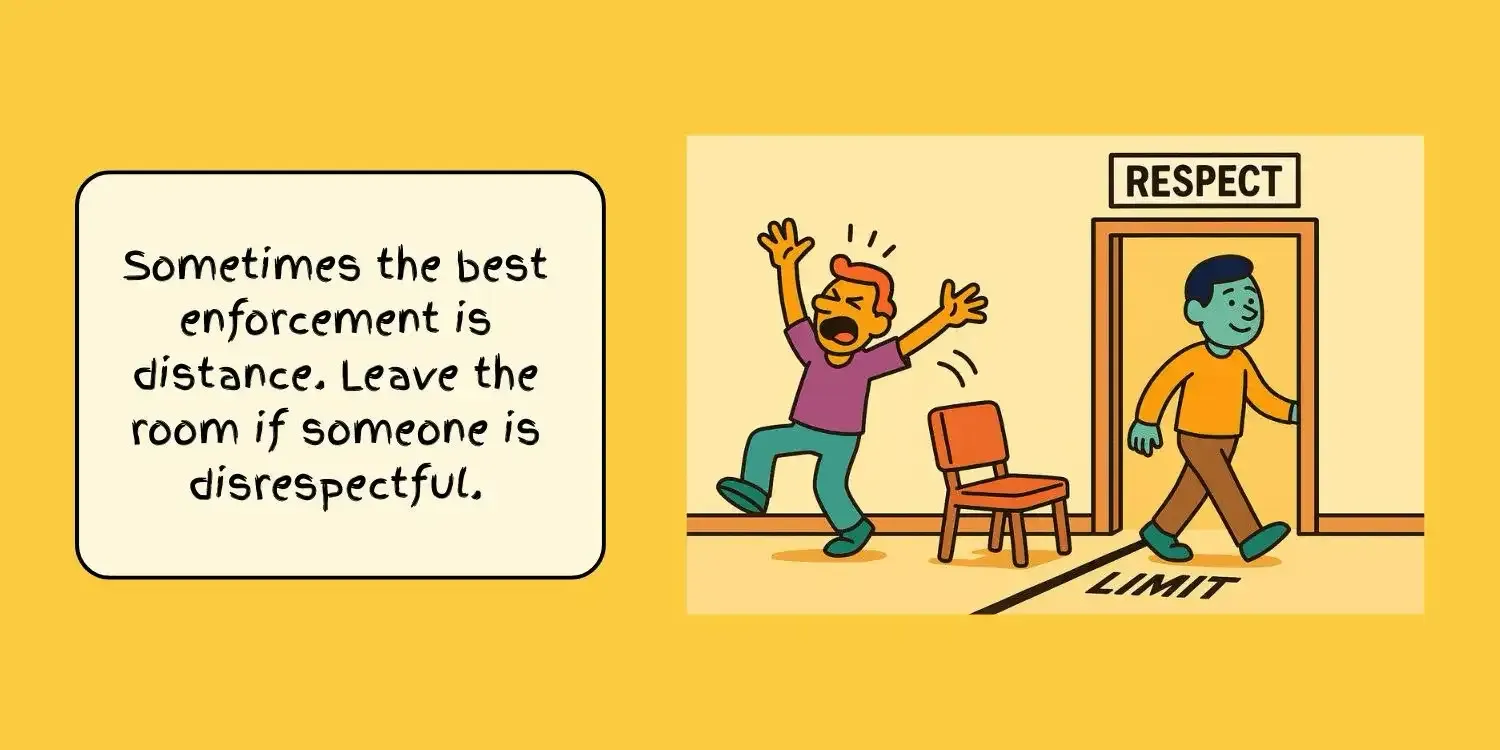
Sometimes the best enforcement is distance—whether physical or digital.
- Physical: Leave the room if someone is disrespectful, or head home early if a gathering becomes draining.
- Digital: Turn off notifications after hours, or set your phone to Do Not Disturb during personal time.
Use the Broken Record Technique
When someone pushes back, resist the urge to overexplain. Calmly repeat your position, word for word if needed.
“Can’t you make an exception?”
“I’m not available after 9 PM.”
“Just this once?”
“I’m not available after 9 PM.”
Repetition communicates firmness without anger. Three calm repeats are often enough to make the point.
Handling Specific Boundary Violations
Different relationships test boundaries in different ways. When this happens, it helps to have clear, ready-to-use responses. The goal is not to argue or overexplain, but to calmly reinforce the limit you’ve already set.
Communication boundaries
When constant calls or texts start to feel overwhelming, remember that silence can be part of enforcement. Send one clear message: “I need space right now. I’ll reach out when I’m ready.” If the behavior continues, muting or blocking is a reasonable next step.
If friends pressure you after you’ve already said no, stay firm with a simple response: “I’ve already committed to my plan, and I won’t be changing my mind.” Clear language prevents back-and-forth negotiation.
Family boundaries
Family members may unintentionally (or intentionally) overstep. If someone pushes past an agreed limit during a visit, calmly restate it: “That crosses the boundary we discussed.” If the behavior doesn’t stop, ending the visit early reinforces that your boundary matters.
Another common situation is parenting interference. If a relative undermines your parenting choice, you might say, “I appreciate your concern, but I’m handling it this way.” This closes the door without inviting debate.
Work boundaries
Workplaces are a common site of boundary testing. If tasks are dumped on you that don’t belong to your role, redirect respectfully: “This isn’t part of my role. Please check with [appropriate person].” If the problem repeats, document the issue and involve HR or a supervisor.
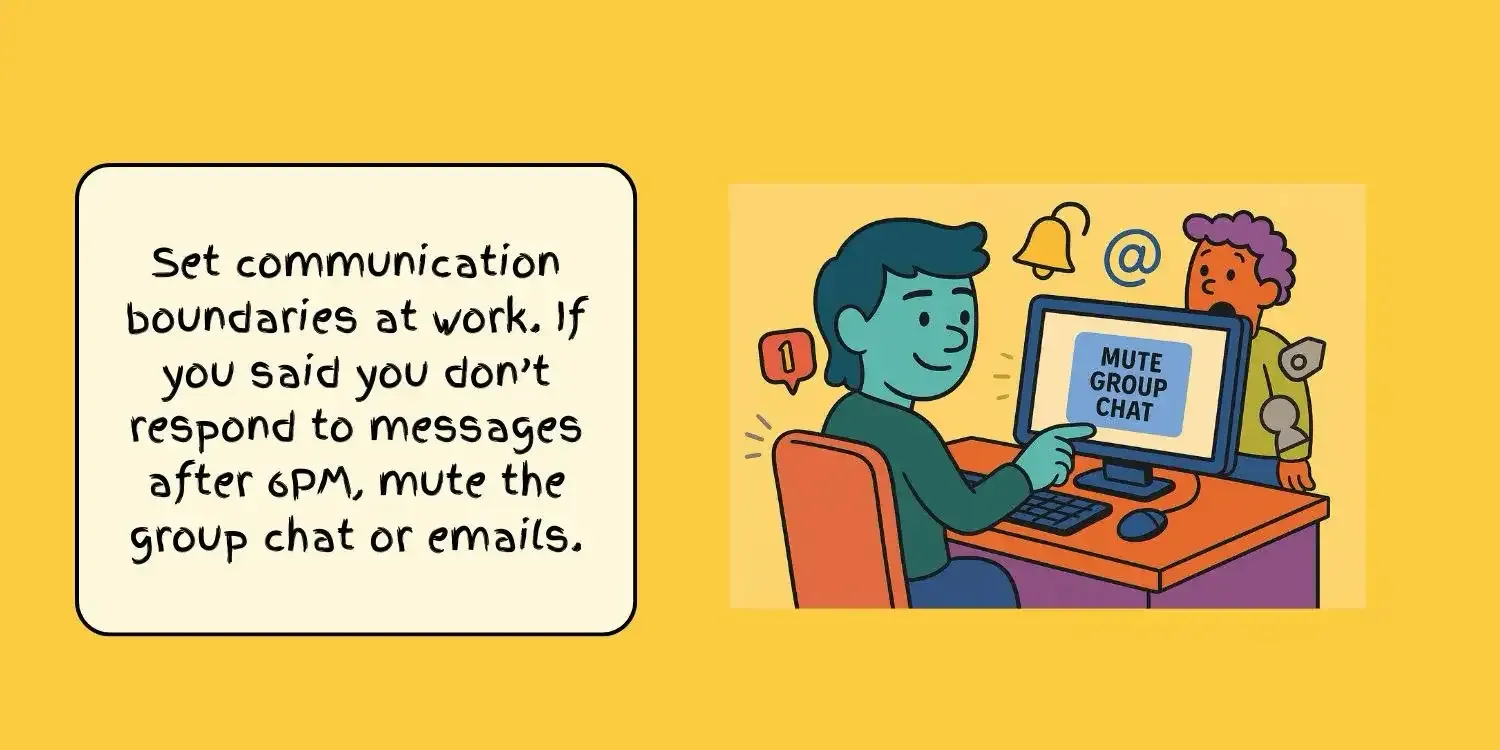
You can also set communication boundaries at work. For example: “I don’t respond to emails after 6 PM, but I’ll get back to you first thing in the morning.” Consistently holding this line trains colleagues to respect your time.
Social and digital boundaries
Boundaries extend to online spaces too. If someone repeatedly tags you in posts without asking, let them know: “Please don’t tag me without checking first.”
Or if group chats start draining your energy, you can step back with a simple, “I’m muting notifications for a while. I’ll check in when I can.”
Managing the Emotional Side of Enforcement
Enforcing boundaries often stirs up discomfort, especially if you’re used to saying yes to keep the peace. Feeling guilty or uneasy doesn’t mean you’re doing something wrong — it means you’re building a new habit.
Manipulators may use guilt to push past your limits:
- “You’ve changed.”
- “You’re selfish.”
- “I thought I could count on you.”
When this happens, remind yourself that these are tactics, not truth. A few ways to steady yourself in the moment:
- Pause and breathe: Before responding, take a slow breath to ground yourself. This helps you avoid reacting out of guilt or anxiety.
- Repeat your reason silently: Remind yourself why the boundary matters: “I need rest to stay healthy” or “I deserve time with my family.”
- Use supportive self-talk: Replace guilt-driven thoughts with affirmations like “It’s okay to say no” or “Protecting my time makes me stronger.”
- Lean on allies: After a tough interaction, talk it through with a trusted friend, mentor, or therapist who can validate your choice and remind you you’re not being “selfish.”
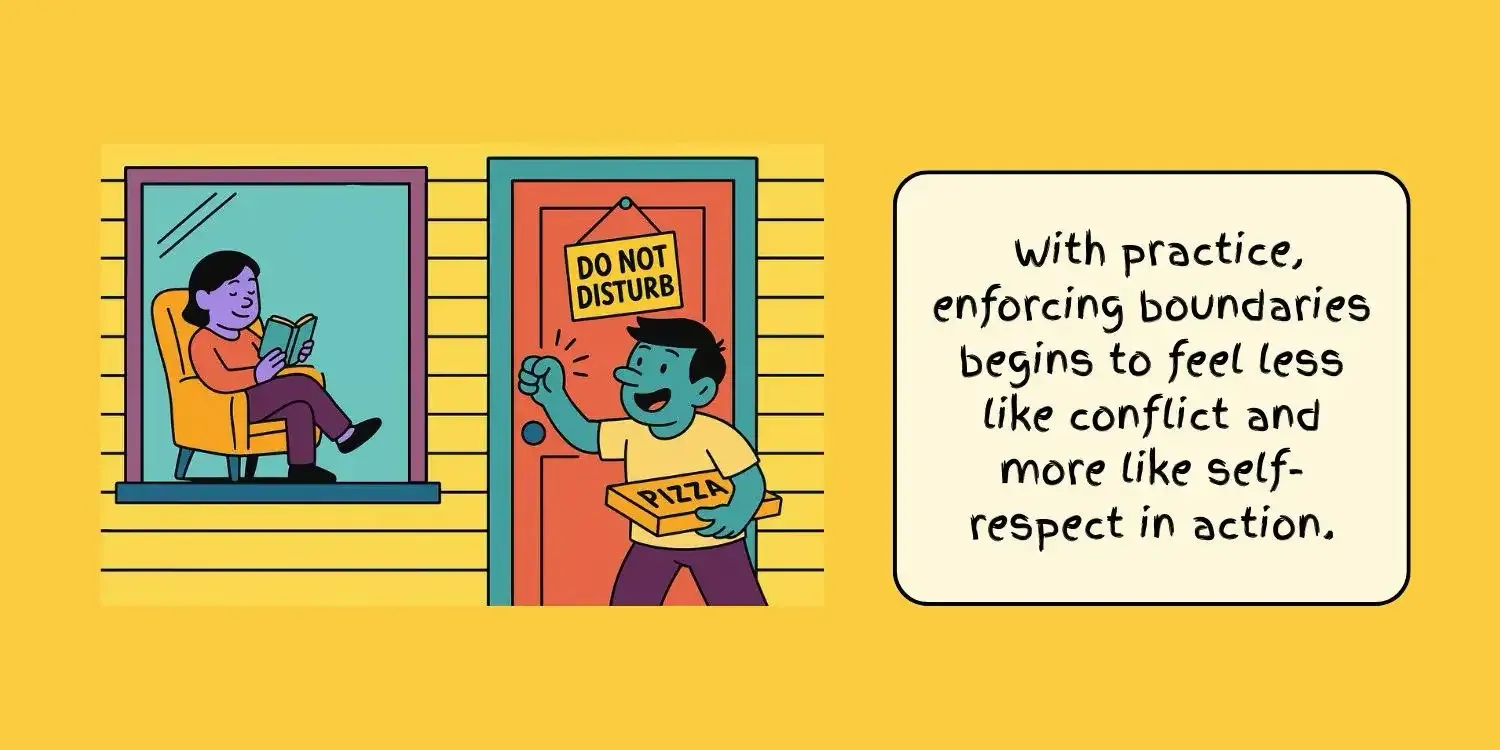
Each time you stand firm, the discomfort lessens, and your confidence grows. With practice, enforcing boundaries begins to feel less like conflict and more like self-respect in action.
How Enforcement Builds Trust
Enforcing boundaries is not about shutting people out. It is about giving them something steady to hold on to. When your words match your actions, people feel secure around you. They know where you stand, and that sense of clarity builds trust.
A clear yes or no is powerful. It removes confusion and makes relationships easier. Instead of wondering if you really mean what you say, others can relax and meet you honestly. Over time, that reliability earns respect because people see you as consistent and dependable.
Holding your boundaries also shows that you value yourself. When you treat your needs as important, others learn to treat them that way too. This creates a healthier balance. Both sides understand what is okay and what is not, which makes space for deeper, more genuine connection.
When to Consider Ending Relationships
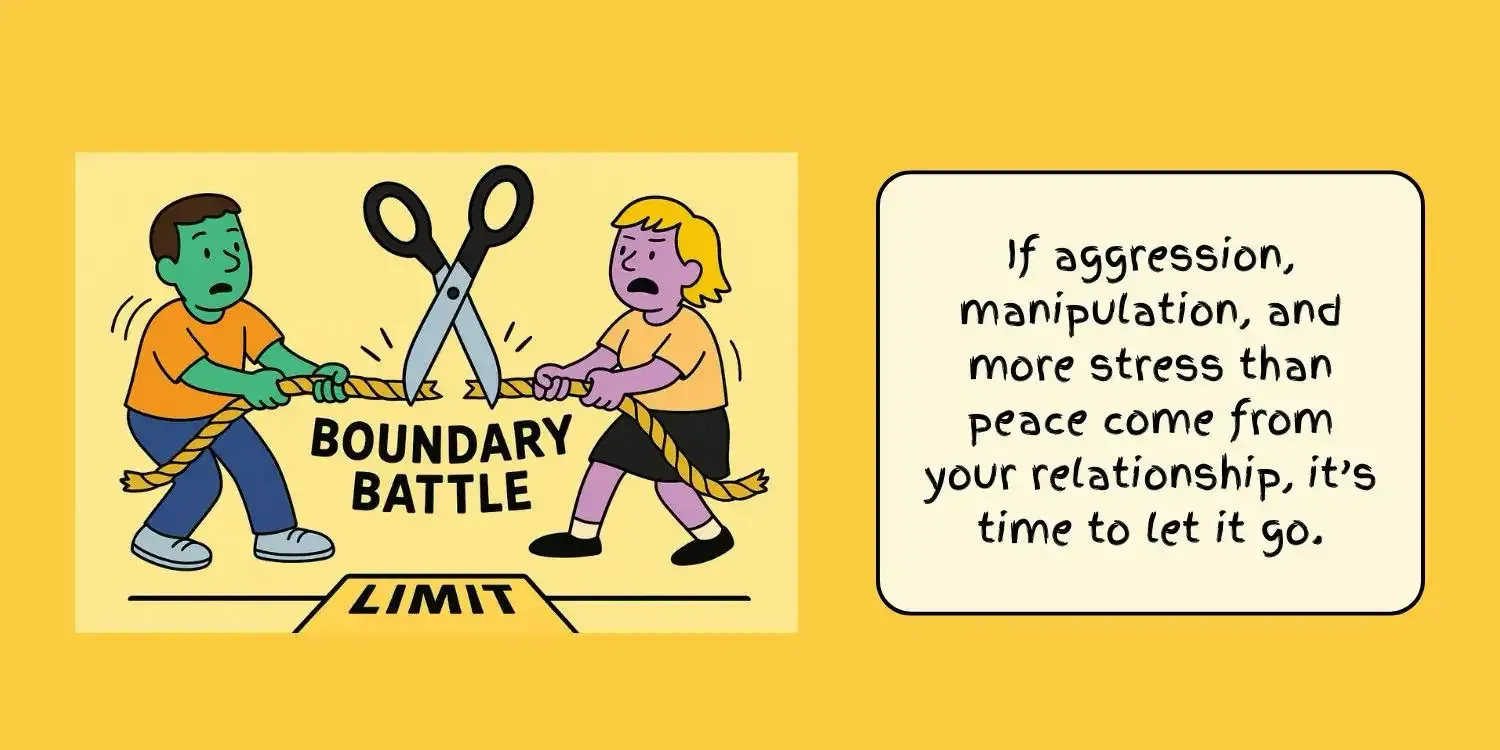
Some people will never respect your boundaries. Step back when violations continue despite clear communication, when aggression or manipulation occurs, or when the relationship causes more stress than joy.
Moving Forward with Confidence
Enforcing boundaries isn’t about controlling others; it’s about controlling your own responses. You can’t force respect, but you can decide how to respond when it’s lacking.
Each time you enforce a boundary, you reinforce self-respect and teach others how to treat you. The short-term discomfort of enforcement creates lasting benefits for your mental health, relationships, and overall quality of life.
What’s the next step?
Check out our Spaces Schedule to learn more about yourself and find the freedom to set the right boundaries for you!