

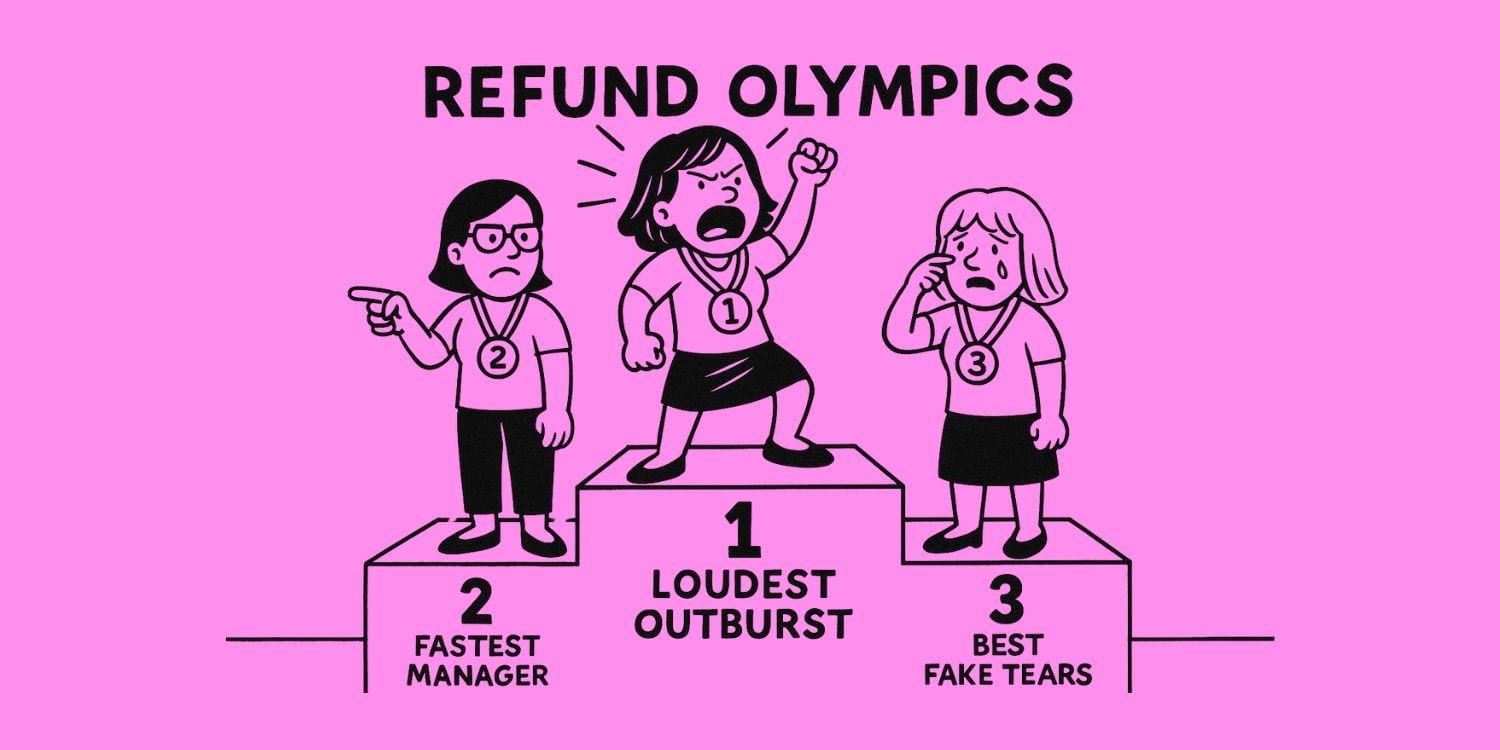
Why the behaviors we mock in “Karens” reveal more about us than them, and what they reveal about a culture that has rewarded entitlement for decades.
Karen is funny until she isn’t. At first she looks like a meme, a caricature we can share for a laugh. But then she appears in the news, assaulting senior citizens, crying her way out of accountability, insisting on deciding who belongs in a public space. What begins as comic relief turns into something closer to a cultural horror story: familiar, predictable, yet grotesque in its persistence.
Maybe Karen isn’t the punchline. Maybe we are. In Jungian terms, what we see in her is the collective Shadow: the entitlement, fear, and racial anxiety we’d rather not face in ourselves. She isn’t a fluke. She’s the inevitable product of a culture that feeds on the very behaviors it claims to hate, then acts shocked when they appear.
The System That Built Karen: How Entitlement Became Infrastructure
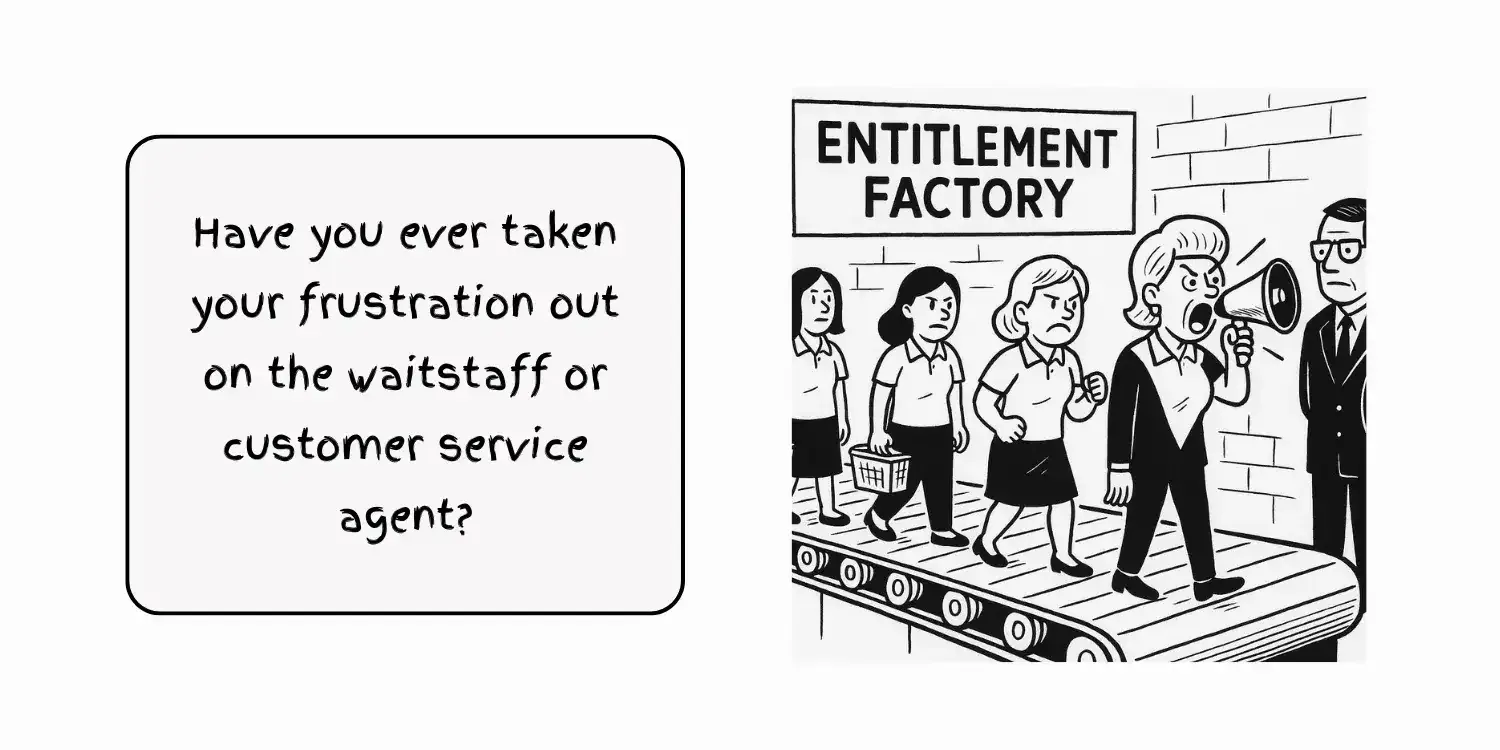
Before we can analyze Karen’s psychology, we have to look at Karen’s environment. What conditions allowed this behavior to flourish so consistently that it became a recognizable cultural archetype?
It begins with the customer-as-king mythology. For decades, American consumer culture has treated emotional satisfaction as more important than worker dignity. “The customer is always right” morphed from slogan into permission slip, teaching generations that dissatisfaction justified treating workers as subordinates. And the lesson spread: if frustration is reason enough to summon a manager, why not also the police—or to police a space yourself?
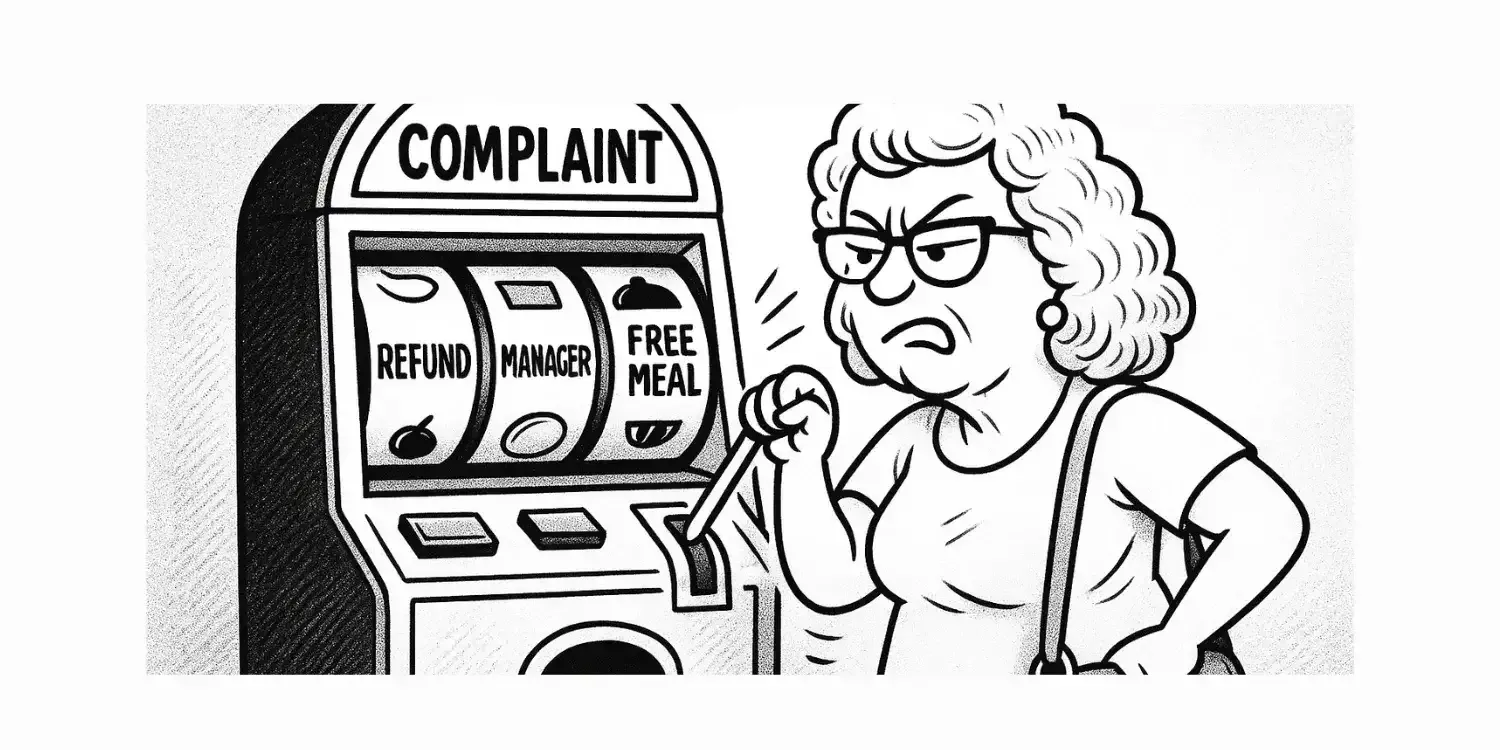
The cycle deepens through complaint reward systems. Psychologists call this intermittent reinforcement: most complaints fail, but the rare success keeps people coming back. Businesses supply those payoffs when a manager bends rules or issues a refund just to end disruption. The inconsistency doesn’t weaken escalation; it makes it stick.
Institutions then magnify the lesson. Law enforcement has historically treated white women’s complaints as urgent matters of order, converting private grievance into public action. In the Jim Crow era, a single “successful” complaint could ignite arrests, mob violence, even lynchings. The stakes of escalation stretched far beyond refunds; they could end lives.
The Shadow Projection Mechanism: Why We Created What We Now Mock
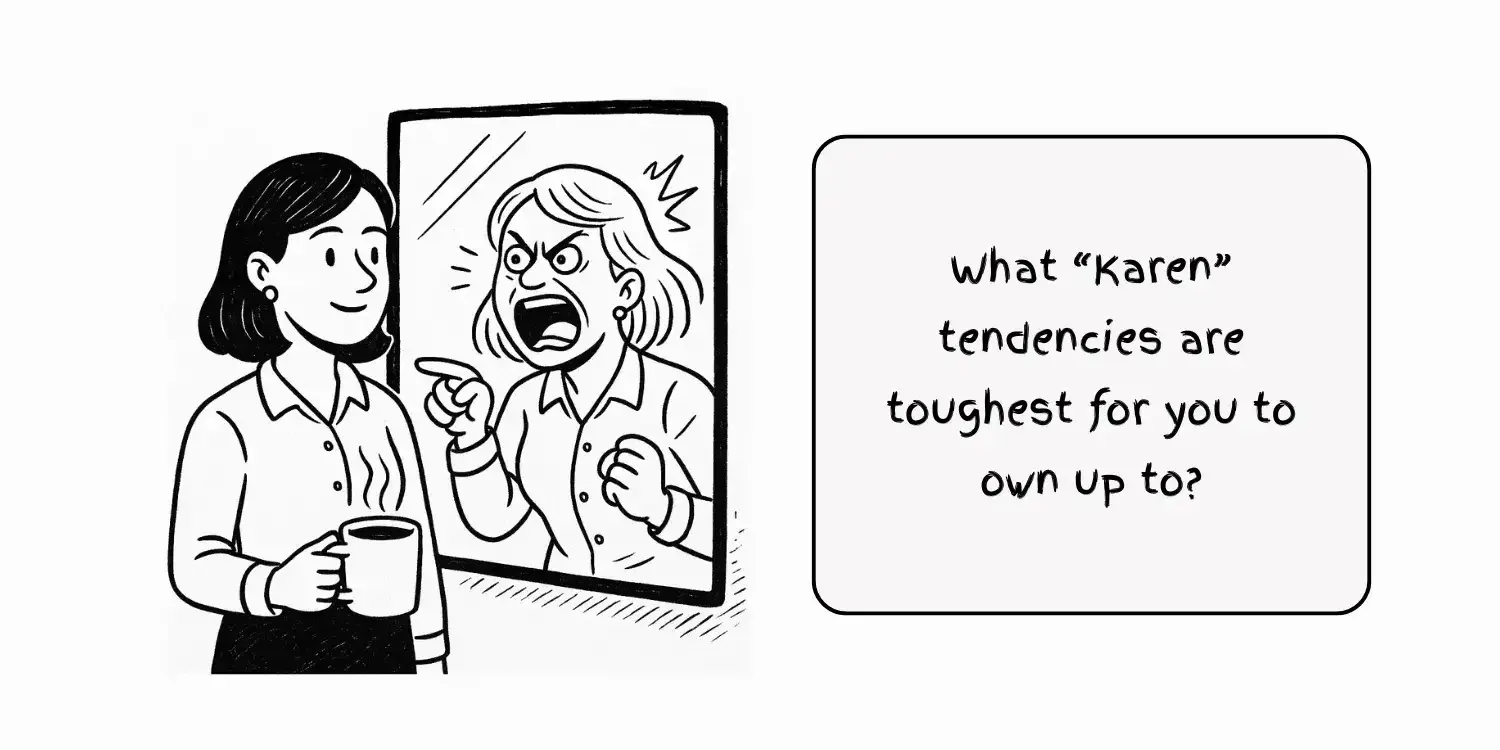
Carl Jung’s idea of the collective Shadow helps explain why Karen’s behavior feels both alien and familiar. The Shadow holds the traits a culture refuses to claim, which return through projection. We push these unclaimed traits onto someone else so we don’t have to face them in ourselves, making Karen a convenient screen for our own disowned entitlement.
But why do we need Karen to carry that weight? Most of us want to see ourselves as good, reasonable, and fair. It’s easier to laugh at her outbursts than to admit we also have moments of entitlement we’d rather not own. From childhood, Americans are handed two scripts at once.
One says:
“The customer is always right.”
“Don’t take no for an answer.”
“Stand up for yourself.”
The other says:
“If you can’t say something nice, don’t say anything at all.”
“Be patient.”
“Don’t make a scene.”
The irony isn’t that Karen broke the rules. It’s that she followed them too closely. The customer is always right. Don’t take no for an answer. Trust your gut. These are the lessons we all learned. When she lives them out too loudly, we call her ridiculous. It’s easier than admitting she’s our echo turned up too high.
That’s why Karen videos fascinate us: they put on screen the impulses most people have but keep in check. Who hasn’t wanted to lash out at a cashier or insist on getting their way? Watching Karen lose control is both horrifying and perversely satisfying. She becomes the vessel for feelings we repress.
Karen as Consumer Capitalism's Symptom and Smokescreen
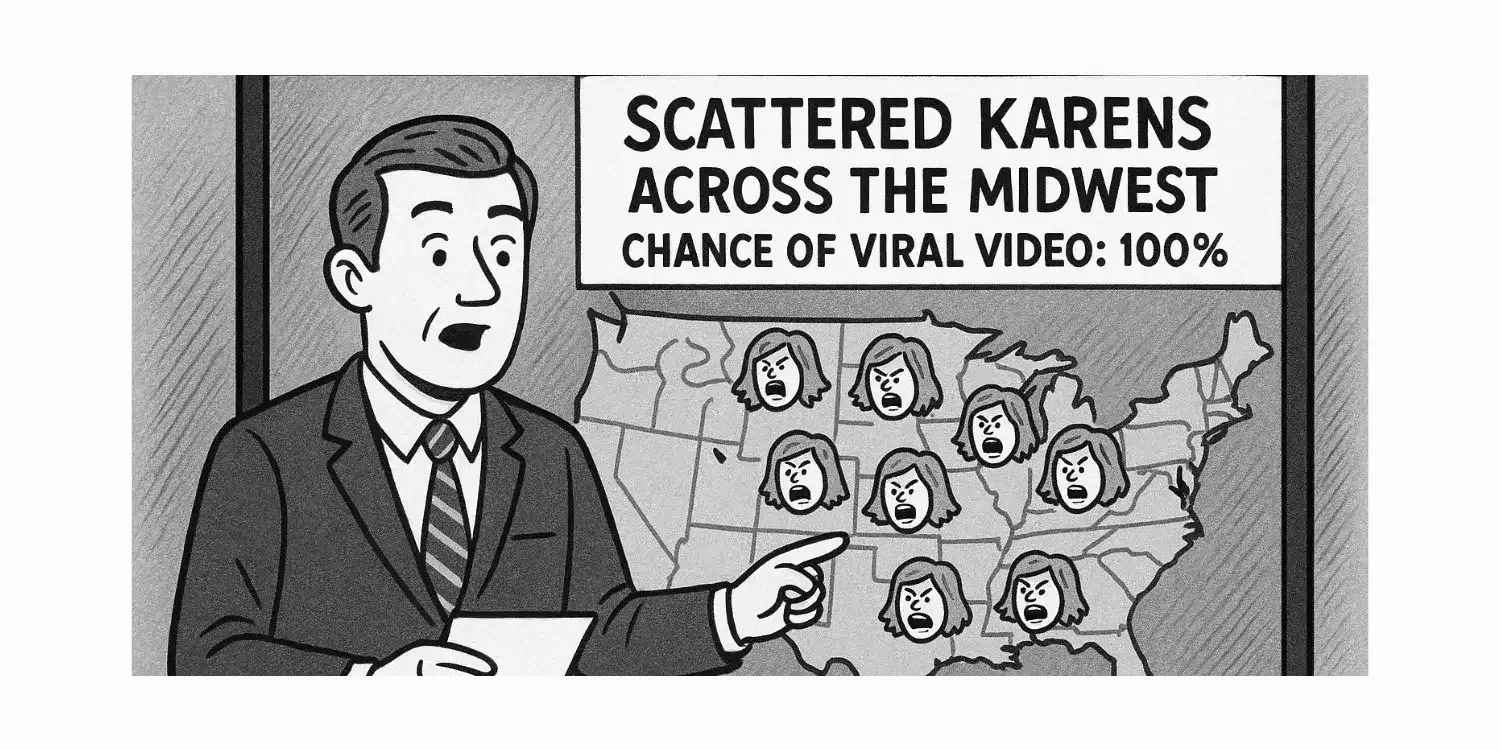
We laugh at Karen, but she serves a larger purpose. She takes the heat for behaviors that consumer capitalism created, while the system itself escapes scrutiny. By mocking her, we let corporations off the hook.
Who really benefits? Not us. The power we feel as consumers is an illusion. Corporations are the ones cashing in. Every “no-questions-asked” return, every “How can we make this right?” script, every instant refund is framed as a win for us. In reality, they are strategies to keep us spending, hooked not only on products but on the feeling of control. Amazon’s frictionless returns, Starbucks’ promise to remake your drink, airline vouchers handed out after a scene: these are not gifts. They are investments. Each one expands our sense of entitlement just enough to keep us coming back, while their profits move upward.
And so Karen endures, carrying the blame for behaviors the system itself engineered. We laugh at her as if she invented entitlement, while corporations quietly bank the rewards. What if Karen isn't the monster but a mark? The real monster is the economy that convinces us we are powerful when we spend, while it is the one getting rich.
What Karen Gives Us: Superiority and the Shadow We Deny
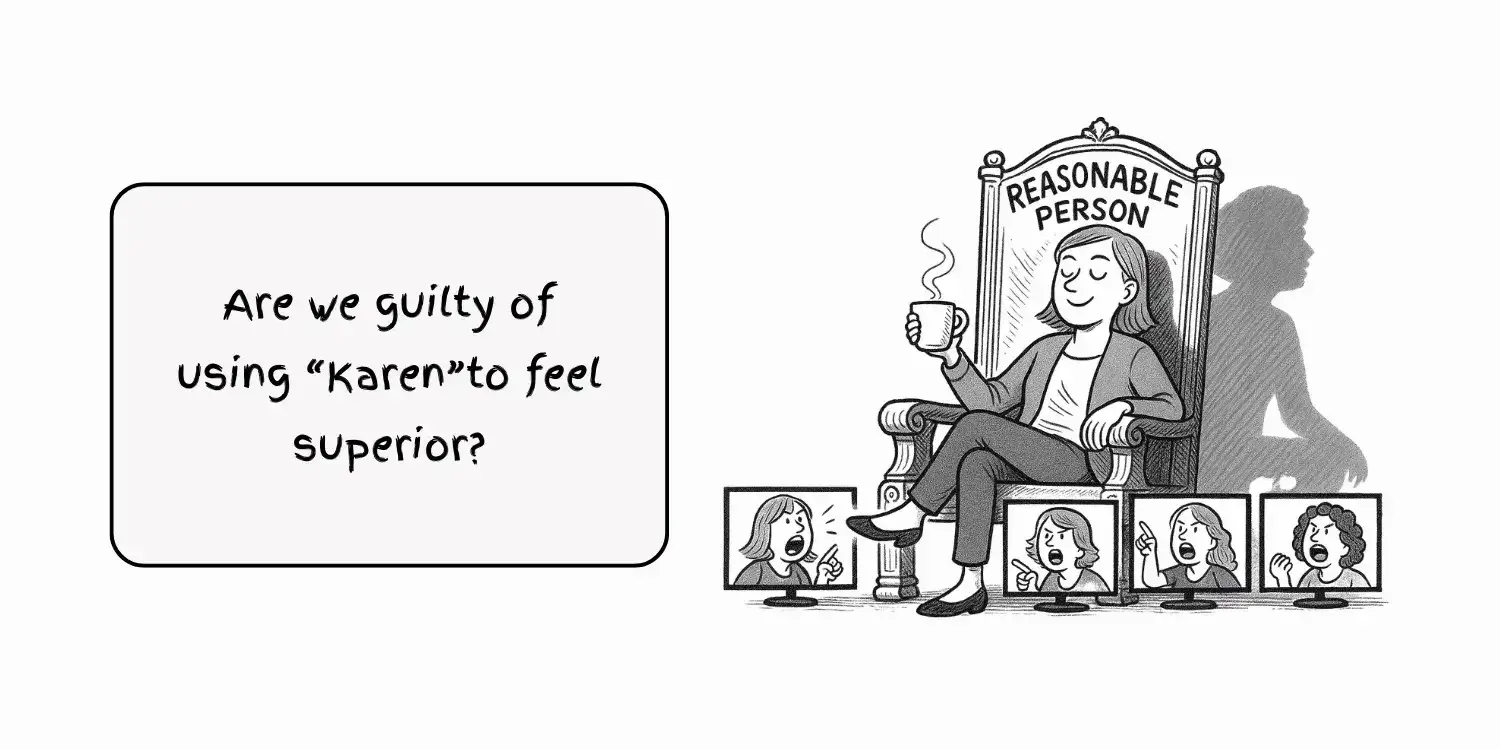
Karen has become her own genre of video: the raised voice, the demand to see the manager, the public scene that goes viral before the dust even settles. We watch, shake our heads, maybe share it with a caption like “unbelievable.” And under the laughter is a quieter relief: at least it isn’t us.
Why do we keep watching? Because every meltdown doubles as proof that we are the sane ones in the room. Watching her unravel lets us polish our self-image: patient, reasonable, better. She acts out impulses we recognize but would rather not admit—rolling our eyes when the barista gets it wrong, asking for a manager over a two-dollar mistake, arguing with the flight attendant about why our bag should fit overhead. She does it loudly, and we get to feel virtuous for keeping our versions quiet.
This is the payoff of projection. Karen performs the Shadow we won’t claim, and in return we get to feel superior. Every “Can you believe this woman?” post is less about her than it is about us. She gives us cover: a way to laugh at entitlement while continuing to practice softer versions of it ourselves.
That is why Karen endures. She gives us the thrill of superiority while keeping the Shadow safely at arm’s length. The more absurd she looks on camera, the cleaner we feel by comparison.
Beyond Outrage: Choosing Empathy
If Karen is the projection of our collective Shadow, then mocking her only strengthens the split between what we condemn in others and what we deny in ourselves. Outrage may feel good in the moment, but it keeps us trapped in the cycle. Empathy offers a harder and more honest path.
Empathy does not excuse harmful behavior. It does not mean approving of harassment, entitlement, or abuse. What it does is widen the lens. It asks us to see Karen not only as an individual making choices but also as a symptom of systems that taught those choices, validated them, and now turn them into viral entertainment.
To respond with empathy is to recognize the Shadow without disowning it. It is to admit that we too are shaped by the same scripts, that we too have moments of entitlement we prefer to overlook. The real work is not laughing at Karen but asking what parts of her live in us, and how we might soften them before they spill into the world. Outrage makes distance. Empathy makes connection. And connection, unlike mockery, has the power to interrupt the cycle rather than simply replay it.
Ready to gently explore parts of yourself you've kept hidden?
👉 Join our Space, The Hidden Self!