

Photo by: Alexandros Katastrofos
My life looks pretty fucking cool to most people. I play in a modern rock band that sounds like Depeche Mode. We tour internationally, play festivals throughout the year, and sell out shows in Los Angeles. We're even signed to a music label. One could say I'm living the dream. And I'll admit, for about 2.5 months out of the year, I am.
The snapshots I feed to strangers and friends look like a dream, but the reality is far from it. The day-to-day looks like aging out of relevance. It looks like working survival jobs that have nothing to do with my purpose in life. It looks like using every bit of willpower to resist losing myself to drugs, alcohol, and french fries because, really, what's the point? I live in a world that places so little value on my version of art that it would literally cost me less to attend a Beyonce concert than it would to produce an original song.
If some of these facts come as a shock to you, don't worry. I'm here to wipe the caked-on makeup off this industry's face. In this article, I'm going to break down the cost of being a musician—financially, emotionally, and spiritually—and shed some light on how and why I continue to try anyway.
The Record Deal That Owns You
Getting "signed" feels like cracking open the door to the glamorous life. Finally, you'll get support. You'll receive funding for your next record, marketing, maybe even a paycheck for doing what you love. At least, that's the theory. Unfortunately, when a mid-level band signs with a cool-sounding "boutique" label, here's what usually happens:
-
The loan.
That five-figure "advance" hits your account on Monday, then flips to a debt on Tuesday. Every stream, vinyl, and T-shirt goes toward repaying it—two albums later, you may still be at zero. -
The rights grab.
In return, the label keeps full or partial ownership of your masters—sometimes even the songs you made before signing. They collect on those tracks long after your debt is cleared. -
The tiny push.
The promised marketing blitz often tops out at a handful of boosted reels and a playlist add—services you could have bought yourself without trading away rights. -
The grant gap.
In countries that subsidize labels, public funds cover office rent and ergonomic chairs while bands still pay for tours out of pocket.
In short, the label walks away with valuable assets while the band gets a fancy logo, short-term cash, and another debt to pay off.
The Hidden Receipt Behind Every Song
The next time someone asks why musicians sign away royalties, tell them this story.
I'd spent weeks crafting a new single in my bedroom—layering synths, programming drums, chasing the perfect vocal take. When it finally sounded "done," the real bills started.
-
Mixing & mastering: the paid polish.
Mixing balances every instrument so nothing steps on anything else; mastering gives the track the final shine so it won't sound dull beside T-Swift on a playlist. A pro quoted me $300—and that's a friends-and-family rate. -
Renting silence.
My apartment is one freeway off-ramp from chaos, so I booked a quiet studio for vocals: $120. -
Sweat equity you never see.
Thirty hours hunched over a laptop at California's minimum wage is another $495—the invisible labor that somehow doesn't count because "art."
Add it up: $915 for a bargain-bin single.
Now multiply that for an album: ten songs = $9,150—before artwork, distribution fees, or the gas it takes to tour.
So when a label dangles a five-figure "advance," most bands don't see it as easy money. They see a way to finish the music you'll stream for free tomorrow.
Touring: The Illusion of Making It
 ,
,
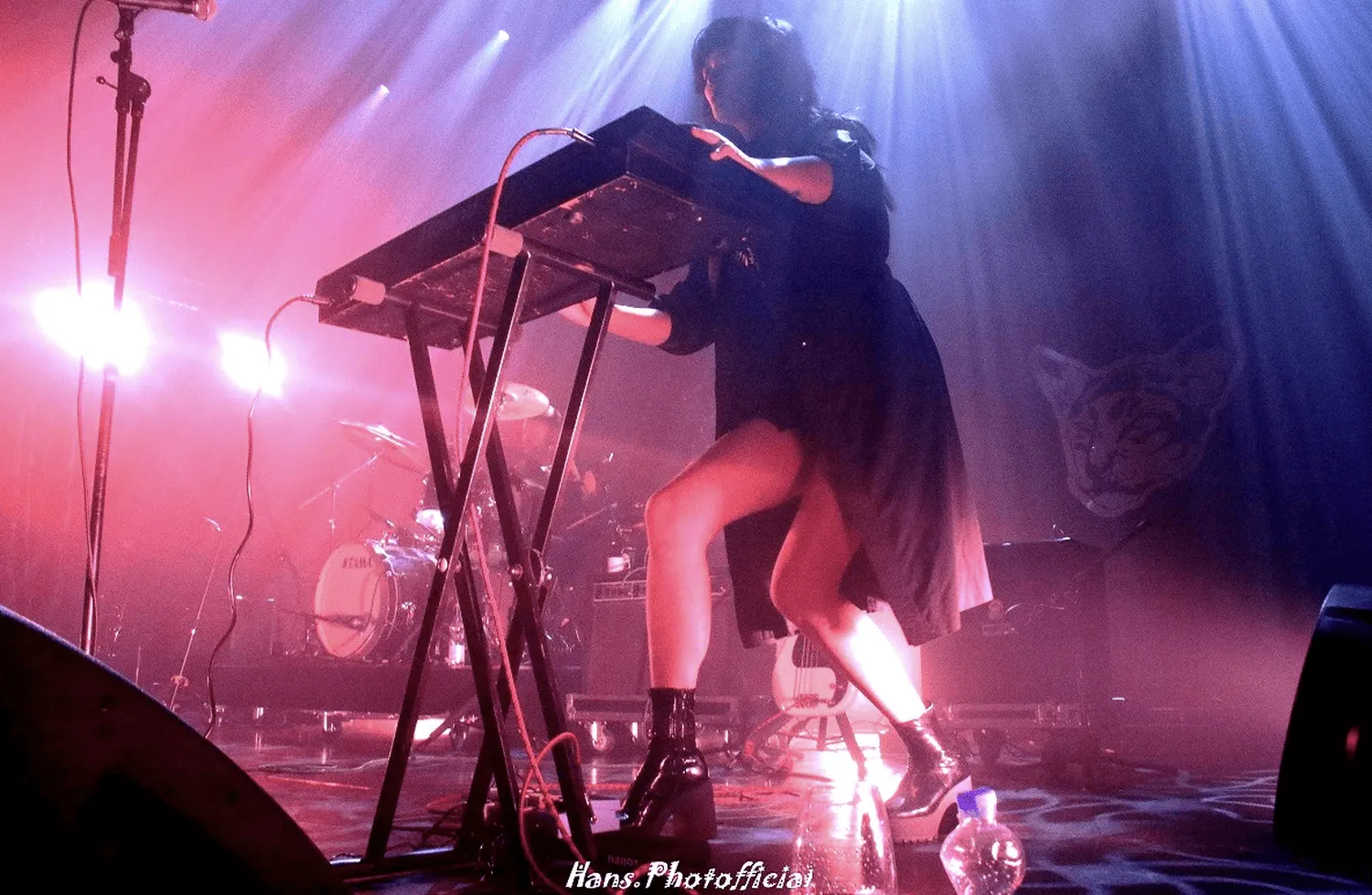
Tour feels like a lucid dream: twelve cities, eight gallons of coffee, four weeks of feeling needed. Then Air France spits me back into L.A. and I'm hosing tequila off bar mats at 2 a.m.—after a full shift at the nonprofit—wondering how last night's encore turned into mildew and burnout.
Reality, my friends like to say, is what waits after tour. I disagree. Reality was the tour; this blue-light double shift is the hallucination. I still had to clock nonprofit hours from venue greenrooms and glitchy hotel Wi-Fi, but half the shifts meant half the paycheck. Meanwhile, tour costs chew through everything: two extra meals a day, off-day hotels, gas that always runs over budget, and a driver who gnaws the last scraps of a 700-cap payout. I landed back in L.A. broke, inbox overflowing, and discovered the clients who once begged for Totem sessions had already forgotten about me.
Every tour means wondering if I'll have a job to come back to, because most touring musicians don't break even. The majority lie awake at night, wide-eyed, wondering how to pay rent when the one thing we're good at feels like the universe's longest-running joke.
Calling Myself a Rockstar with a Straight Face
Why keep paying the cover on this life? Weekdays I'm a remote nonprofit staffer, weekends a bartender, and every so often I'm recognized as a "rock star." Most days I'm convinced all three titles are costume jewelry—one tug and they'll snap off.
The doubt never shuts up. I pour jokes for bar regulars, pretending I'm an extrovert. I punch out blog posts, hoping that with enough time, they might take the place of passion. Even on stage—ten seconds after the lights drop—a voice hisses, this is just cosplay. If you were really any good, you would be doing this all the time.
I don't want a house or a corner office. I want time to write songs and a room full of strangers to scream them back. But the math won't budge: quit the side gigs, and the bank account flat-lines. So I stay wedged between worlds I'm grateful for—but never quite fit into.
When the Music Stops, What's Left?
I pour every shred of sanity I've got into songs the world prices below a matinee ticket. So the question nags: why keep paying this cover?
I tried quitting once. I'm still paying off my debt. Drinking became my favorite outlet. I drank until the room tilted. I drank until my car crossed solid white lanes. I drank until I couldn't tell if the sounds were playing in or out of my head.
I clung to strangers till sunrise—stories, drugs, no questions—because silence with friends felt heavier.
I avoided family phone calls because I was "busy" coming up with lies I'd tell them about how good I'm doing.
A teacher once warned me: if an artist stops creating, that energy won't just disappear—it will rot somewhere else.
She was right.
Why I Still Stay
I wasn't made to just clock in, pay rent, and wait for weekends. I need more, and I'm not afraid to say it. I need that gut-level connection that only happens when a room full of strangers and I breathe in unison to an experience that wouldn't exist without me. It's the only way I know how to communicate.
I will never be able to justify how society as a whole undervalues art. I will never agree with how the suits continue to exploit artists. Maybe one day they'll understand how 40 minutes of feeling seen wipes out months of feeling invisible. That catching it every so often beats living a whole life without it.
So I stay—maybe pour one more drink, definitely play one more song—because the only thing more costly than chasing this dream is trying to live without it.
Sound like your story?
👉Check out our Space Exhausted 😮💨 : An Artist Support Group
Why not talk about it?