

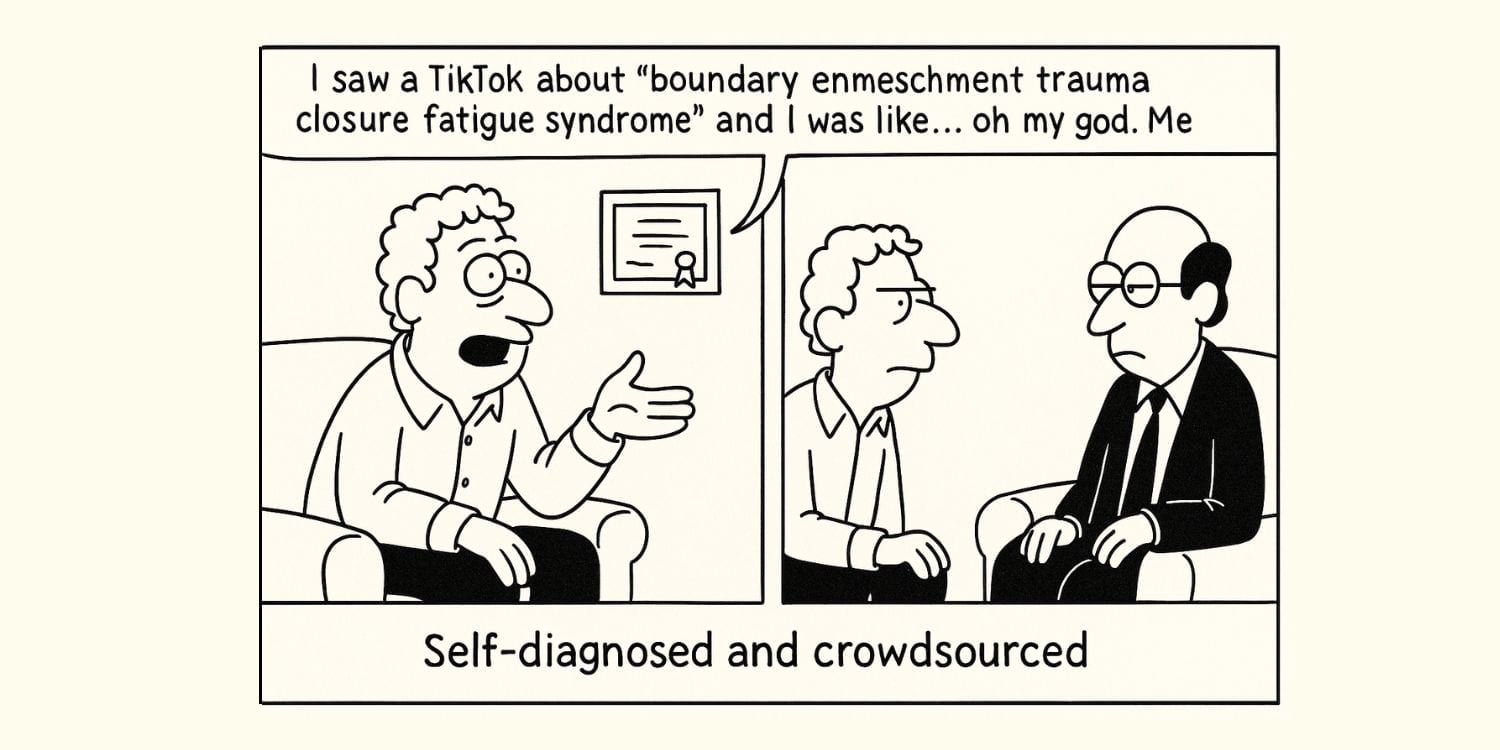
🧠 🤝 NOTE: This piece isn’t a critique of therapy, healing, or the language that helps people grow—those are vital. It’s a reflection on how those same tools can sometimes be misused in ways that hinder real connection. If you’ve found these concepts life-changing (as I have), this is not an attack—just an invitation to think more deeply about how we use them.
We live in the golden age of emotional intelligence. Therapy is mainstream. Mental health awareness is everywhere. Words like "boundaries," "trauma," and "gaslighting" roll off tongues in coffee shops and boardrooms alike.
This should be a good thing. And in many ways, it absolutely is.
But somewhere along the way, the tools meant to heal us started getting used as weapons. Therapeutic language—designed to help us understand and process our experiences—has morphed into something else entirely: emotional armor that deflects accountability and shuts down normal human interaction.
The New Rules of Engagement
Here's what I'm seeing everywhere, and maybe you've noticed it too. Every difficult conversation now comes with a disclaimer. Every piece of feedback gets filtered through a lens of potential harm. Every "no" requires a trauma-informed approach.
The result? We're all walking on eggshells, afraid that our most basic human interactions—setting boundaries, giving feedback, or simply not clicking with someone—will be pathologized into evidence of our toxicity.
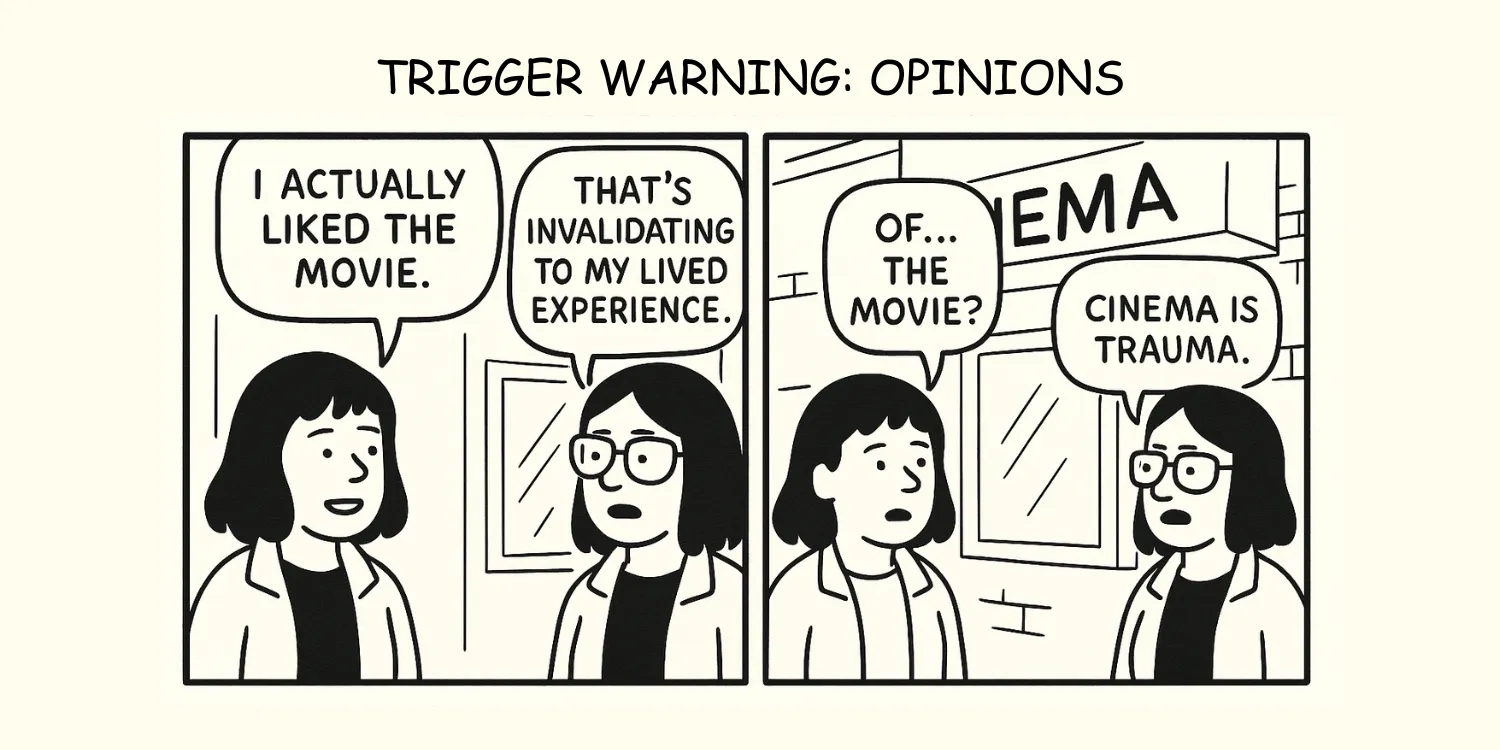
When "No Thanks" Becomes a Diagnosis
Let me paint you a picture from the dating world.
I went on a few dates with someone. Pleasant conversations, nice enough person, but that spark just wasn't there. So I did what we're supposed to do—I was honest and direct:
"I've enjoyed getting to know you, but I don't feel the romantic connection I'm looking for."
Their response?
"Wow. Who hurt you?"
Suddenly, my clear boundary turned into a Rorschach test for their own rejection sensitivity. What should have been a simple “thanks, but no thanks” got spun into a trauma narrative I apparently hadn't signed off on
This isn't an isolated incident. It's a pattern.
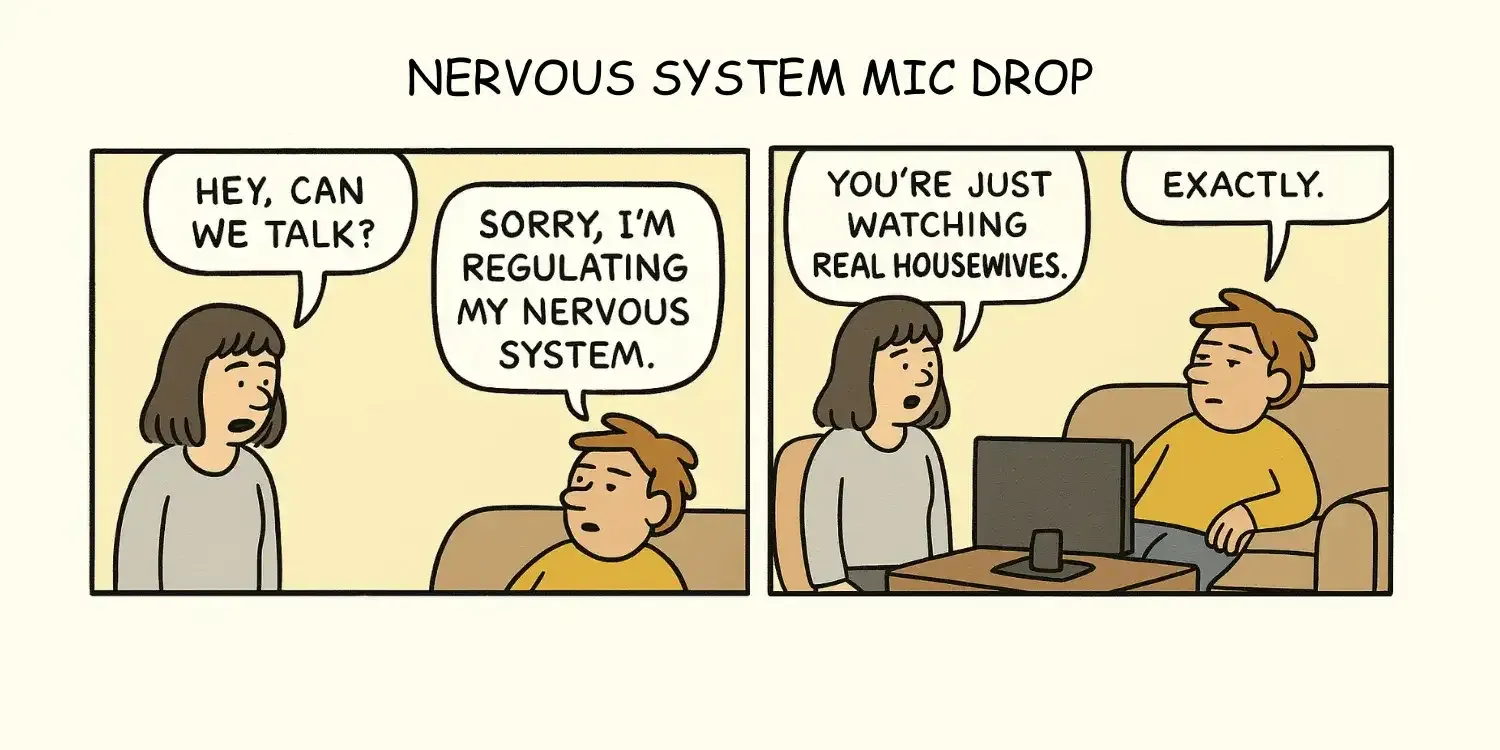
The Workplace Therapy Session
Here's another one: I gave a creative coworker some feedback. Nothing cruel, just a direct and respectful note:
"Hey, I noticed a few parts weren't played the right way. Let's go over it to make sure you've got it solid for the next show."
What followed wasn’t a conversation. It was a full-on emotional meltdown — sighing, eye-rolling, dramatic exits. Suddenly, the room got quiet. People stopped giving feedback. It was easier to tiptoe around them than risk triggering another scene.
They never had to take the note.
Everyone else suffered, including the audience.
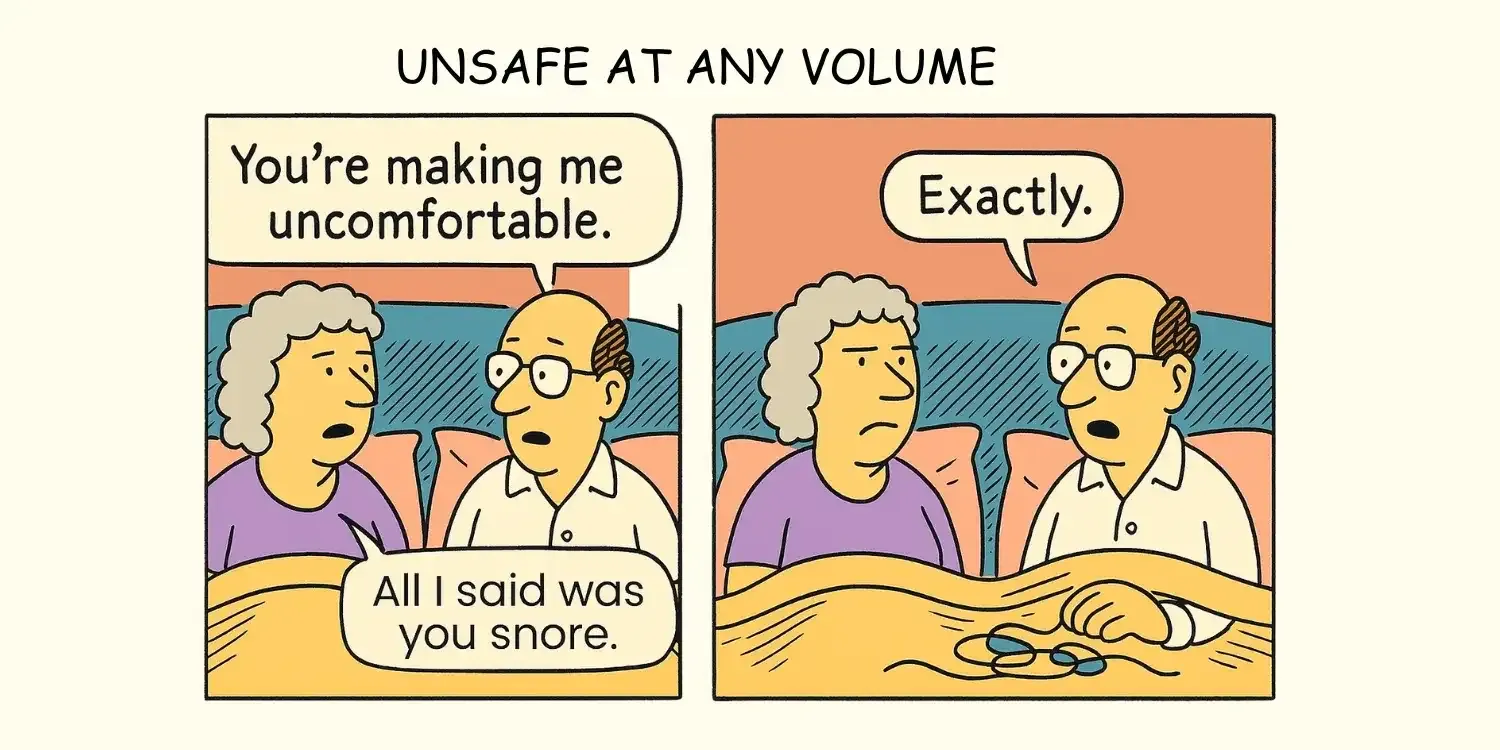
The Friendship Deflection
Perhaps the most painful example came from a close friendship. A friend had shared something deeply personal I'd confided in them—and it got back to me. When I brought it up, I tried to be vulnerable and direct:
"I felt really embarrassed when you shared that. I need to trust that what I say in confidence stays between us."
Their response?
"I'm going to set a boundary that I won't be shamed for how I communicate. This feels like emotional control."
That wasn't a boundary. That was a deflection. My legitimate hurt became their justification to disengage from accountability entirely. No discussion, no repair, no growth—just a therapeutic mic drop that ended the conversation.
The Real Damage
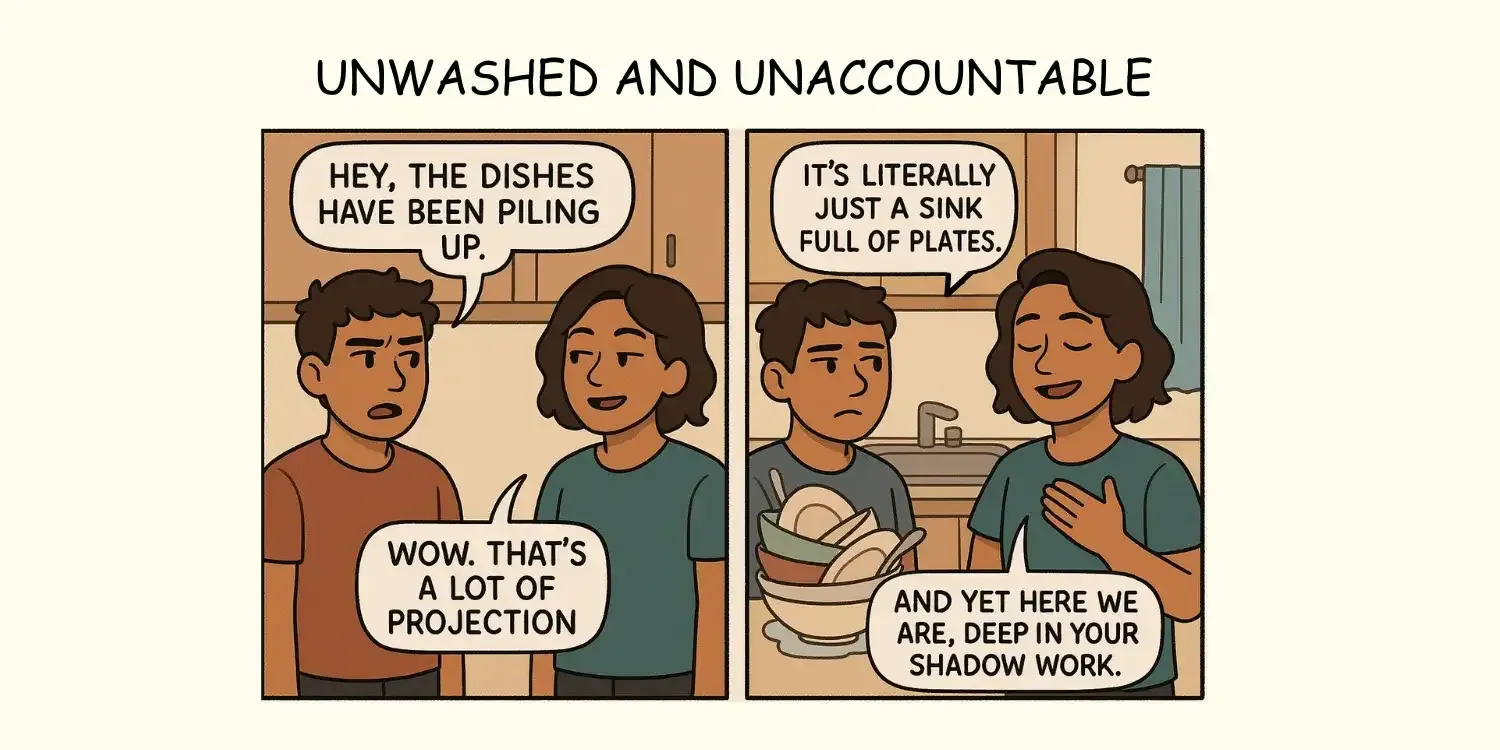
Here's what's happening: We're confusing emotional intelligence with emotional fragility. We're mistaking self-awareness for self-centeredness. And we're using the language of healing to avoid the very thing that actually heals us—authentic, sometimes uncomfortable human connection.
When every piece of feedback becomes "criticism," every boundary becomes "abandonment," and every conflict becomes "trauma," we don't get healthier relationships. We get more isolated, more defensive, and more afraid to be real with each other.
Let’s Be Fair
To be clear: some people have spent years being dismissed, gaslit, or chronically unheard(myself included). For them, discovering therapy language is a lifeline—a way to reclaim power, name their pain, and advocate for themselves in spaces that once silenced them.
That matters.
But even hard-won tools can be misused.
Just because language helps us find our voice doesn’t mean we get to use it to silence others. Just because we’ve been hurt doesn’t mean we’re incapable of hurting back. When therapy speak is used to avoid discomfort, deflect accountability, or shut down connection, it’s still a misuse—no matter how valid the wounds behind it.
The Tools vs. The Weapons
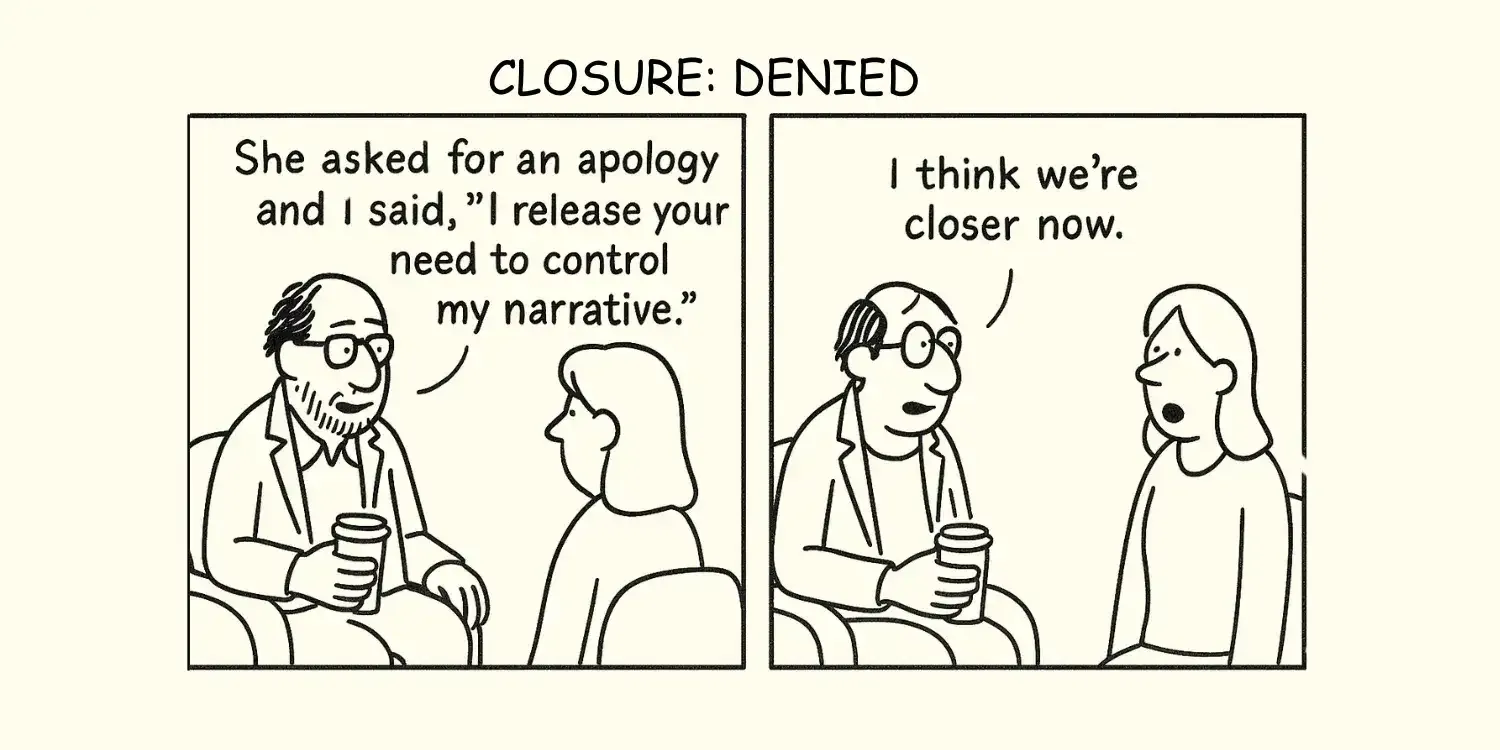
Don't get me wrong—therapeutic language has its place. Understanding attachment styles, recognizing trauma responses, and learning about boundaries are genuinely valuable tools.
But tools can become weapons when we:
- Use them to avoid accountability instead of taking responsibility
- Apply clinical labels to normal human experiences
- Shut down conversation instead of opening it up
- Make our healing everyone else's problem
What Healthy Actually Looks Like
Real emotional maturity isn't about having the perfect therapeutic vocabulary. It's about:
- Sitting with discomfort instead of immediately pathologizing it
- Taking responsibility for our part in conflicts
- Allowing others to have their own experiences without making it about us
- Engaging in repair when we've hurt someone, even unintentionally
- Accepting that not everyone will like us and that's okay
The Way Forward
We can honor both our healing journey AND our responsibility to show up authentically in relationships. We can validate our experiences without making them everyone else's problem. We can use therapeutic language as a bridge to understanding, not a wall to hide behind.
The goal isn't to abandon self-awareness or stop caring about mental health. It's to use these tools in service of connection, not isolation. In service of growth, not stagnation. In service of healing, not harm.
Because at the end of the day, the most healing thing we can do for ourselves and others is to show up as real, imperfect, accountable human beings—not as walking therapy manuals afraid of being human.
🦾 Ready to unpack what you're actually feeling?
👉 Check out our Spaces on Love and Emotions!