We couldn’t fully understand the global and interpersonal impact we were bracing for when COVID hit. Relationships splintered from distance. Work ecosystems ruptured. The ways we engaged and disengaged with one another were reimagined overnight.
COVID uprooted our lives, left empty spaces in our family photos, and gave us a glimpse at just how fragile our reality really is.
Yet, despite the immense suffering COVID brought, we also saw some people finding ways to thrive. People with social anxiety or auditory sensitivity found peace. Artists found an openness to create and many of us enjoyed the respite from our productivity-obsessed culture.
That is the complicated thing about COVID: we all lived through the same global event, but we did not all have the same experience of it.
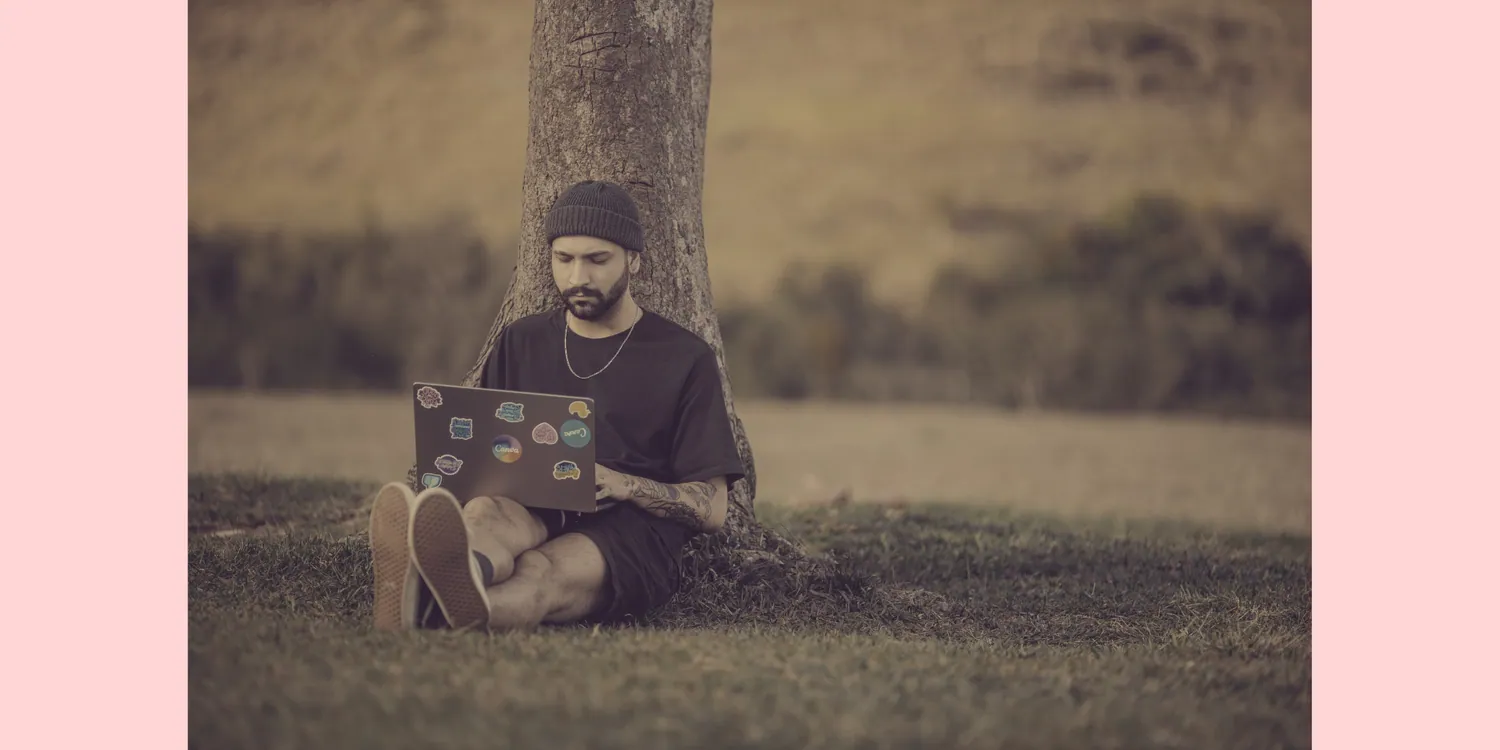
The lens through which we remember COVID is subjective; what is more objective is that the pandemic fully shifted digital life: how many of us work, how we connect, and how often we engage with screens. The pandemic took the assumption that we had to commute or be present in person to learn or work, and turned it on its head. We proved we could keep the world rotating on its axis from home.
COVID set the stage for a massive shift in how we work, connect, and receive support. Before the pandemic, less than 5% of full-time paid workdays were performed from home. By May 2020, that number had skyrocketed to 61.5%.
https://pmc.ncbi.nlm.nih.gov/articles/PMC9988592/
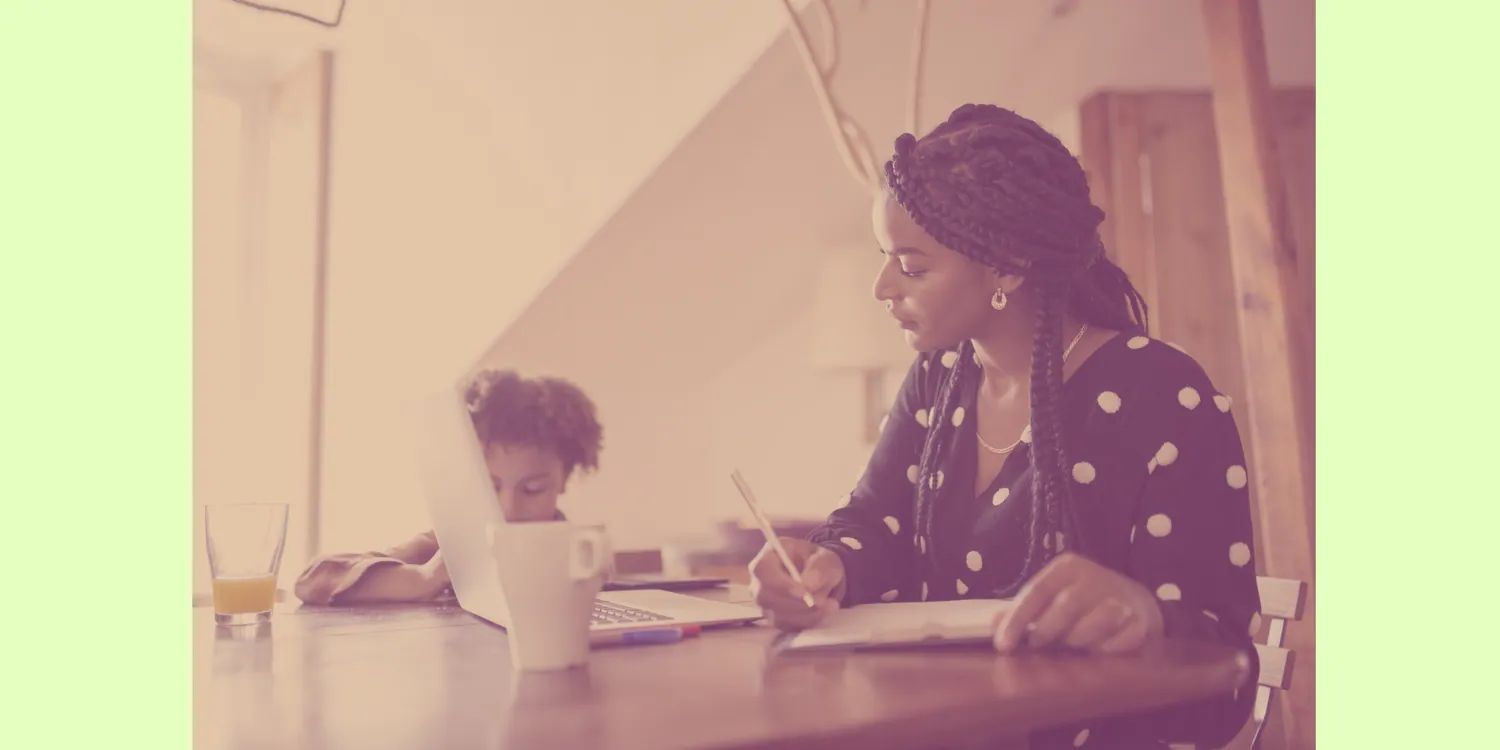
For many people, this shift created a new world of opportunities. Digital spaces made work, support, and community more accessible in ways that had not been accessible before. But it also came with a cost. Video calls brought the newfound freedom to not wear real pants, but they also brought anxiety before logging on, overstimulation while showing up, and exhaustion after signing off.
https://pmc.ncbi.nlm.nih.gov/articles/PMC10198405/
Digital life gave us a new kind of access, but it also reminded us of what a screen could not replace. People missed being in the same room. They missed live music, shared meals, long hugs, and the ease of connection that did not require a link, a camera, or a stable internet connection.
Fast forward to 2026, and, ironically, an internet trend gave people a phrase for what so many of us were craving:
Touch grass.
What started as a social media insult became shorthand for something our bones were aching for: log off, go outside, remember your body, remember the world beyond a screen.
https://www.nationalgeographic.com/health/article/touch-grass-mental-health-outdoors
And I agree that many of us need to touch more grass. But we also can’t abandon the freedom that technology is offering us.
This is the tension Totem lives inside.
At Totem, most of the work we do is digital. We want to use technology for good. Actual good. Not the overly philanthropic, Silicon Valley version of good, served up on a condescending platter.
Real good.
If you are new here, Totem is a nonprofit committed to putting community-centered emotional support into people’s pockets, at no cost. We aim to give people a voice in a world that so often drowns them out. We offer community to people who may have thought that connection just wasn’t in the cards for them.
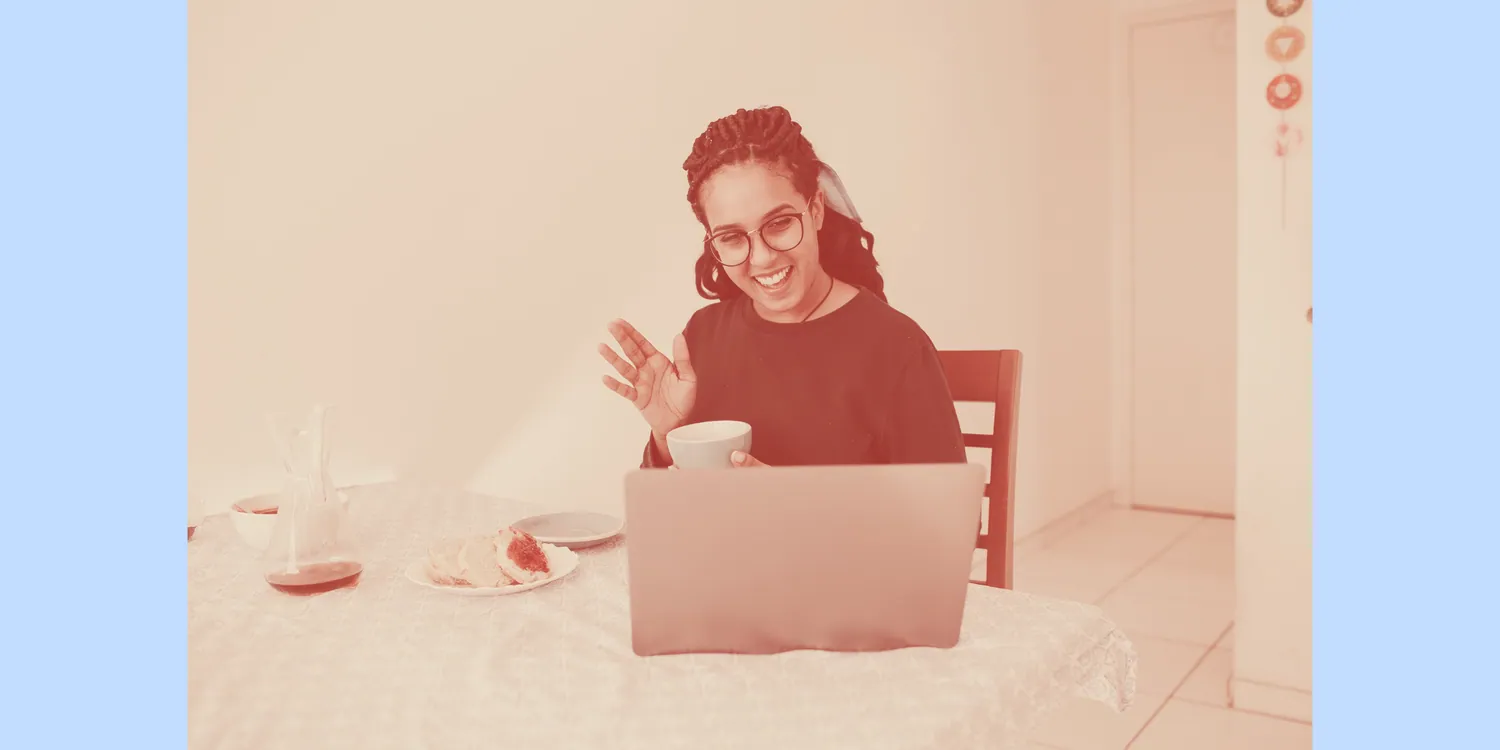
But what I am seeing more and more often lately is that people are writing us off the second we say digital.
But just because we do this on the internet doesn’t mean we can’t touch grass after, before, or even during a call.
Again and again, we have watched people find each other in a digital space and build something that keeps living long after the call ends. Sometimes those friendships even start to feel like family.
For me, it’s real-life magic.
So why don’t we just skip the platform altogether?
Let’s dig into it.
1. Anonymity.
We promote and encourage people to show up as whoever they want or need to be. Some people feel shame around what brings them to the platform. Some of our participants are victims of domestic violence. Some just haven’t brushed their hair in weeks. We encourage people to leave the camera off as long as they need, or never turn it on at all. This just isn’t possible in real life.
2. Mobility.
Doing things in person requires the event to be close enough to walk or drive to. If someone doesn’t have access to a vehicle, money for gas, or lives too far away, then you’ve just created a barrier to someone showing up to something they may really need.
3. Disability, diagnosis, and special needs.
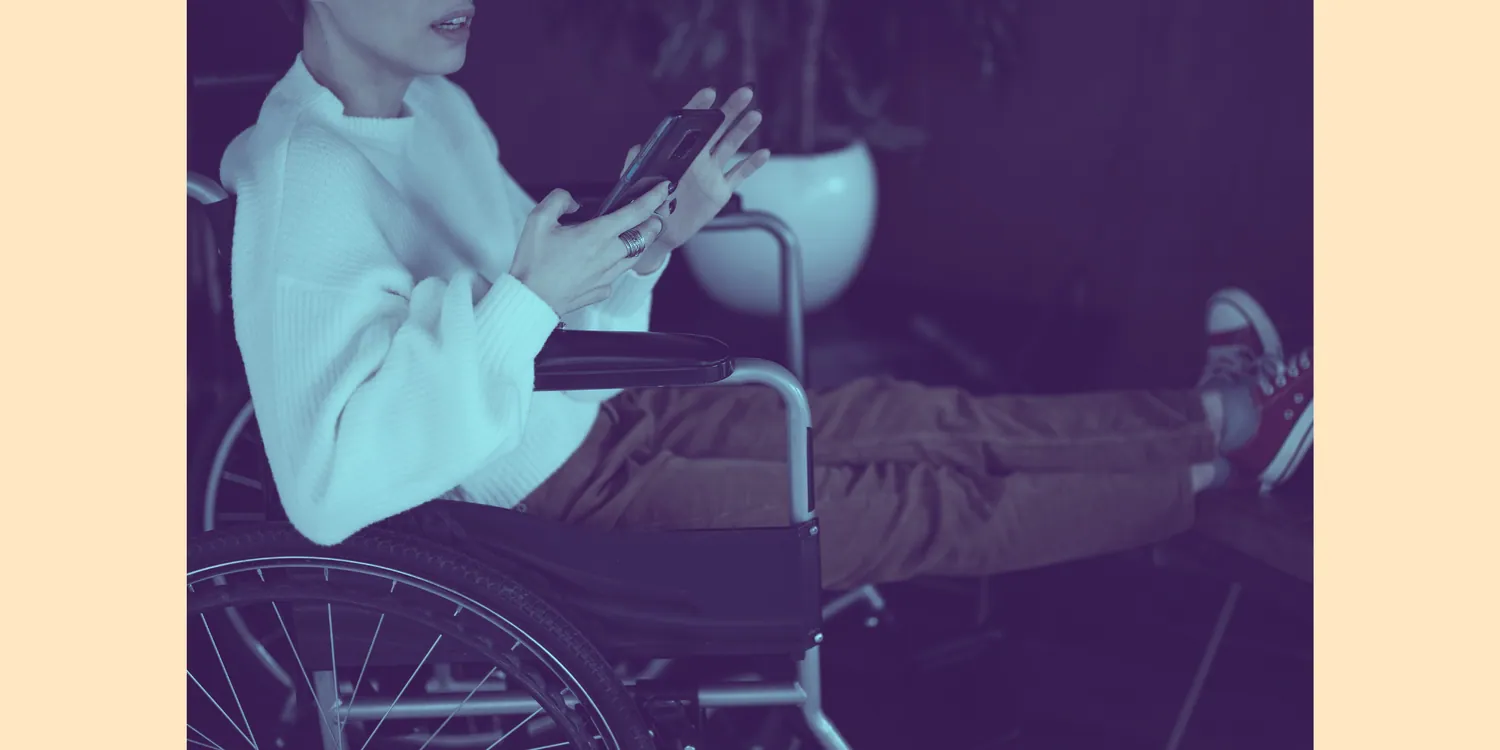
We have many people in our community who fall into this category, especially because of our Still Sick, Still Here Space. Maybe someone is agoraphobic, out of spoons, immunocompromised, or in a wheelchair. On our platform, people can be horizontal, keep the lights off, use an ice pack, and get as comfortable as their body needs to be in order to be present.
4. Time.
This one is especially important to our moms' community, but I think it is relevant for so many of us. Having time to set aside for ourselves can feel nearly impossible. With a digital platform, moms can cook dinner in the background, fold laundry, breastfeed, or do whatever they need to do with their children nearby. No childcare needed.
5. Overhead.
Without having to keep the lights on at a brick-and-mortar space, we can keep our services completely free.
6. Connection.
Despite having every possible way to connect in the palm of our hands, so many people still feel deeply alone. And when we confine ourselves only to our own neighborhoods, families, algorithms, and circles, it becomes easier to forget how other people live. Digital Spaces allow people from different cities, backgrounds, bodies, schedules, and life circumstances to gather, even when they could never realistically gather in one physical place. That kind of connection matters. It reminds us that our differences are real, but so is everything we have in common.
All of these points ultimately lead back to one thing: accessibility. Our mission is to make our platform as accessible as possible. Keeping it digital allows us to do that.
Do we still touch grass?
Hell yeah. We are all suckers for an in-person event. Pride events, recovery spaces, jails. We are in the community often, because ultimately that is what we are building here.
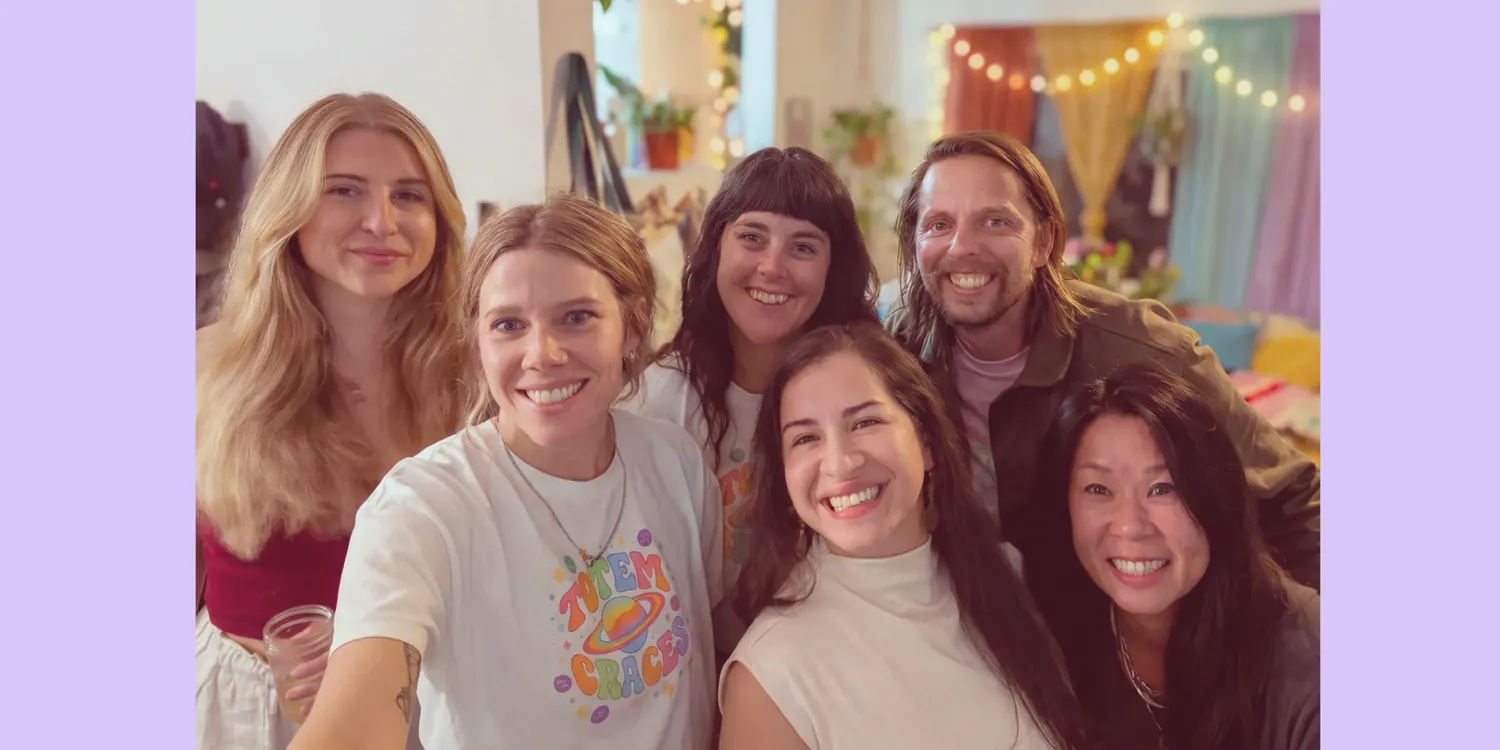
In the world we are creating, digital relationships don't negate in-person ones, they lay the groundwork for them.
So while there’s no denying how much the pandemic took from the world, we also have to recognize the path it created for organizations like Totem to exist. COVID showed us how difficult isolation can be, but it also proved that connection can grow in unexpected places. Why not make those connections accessible for everyone?