

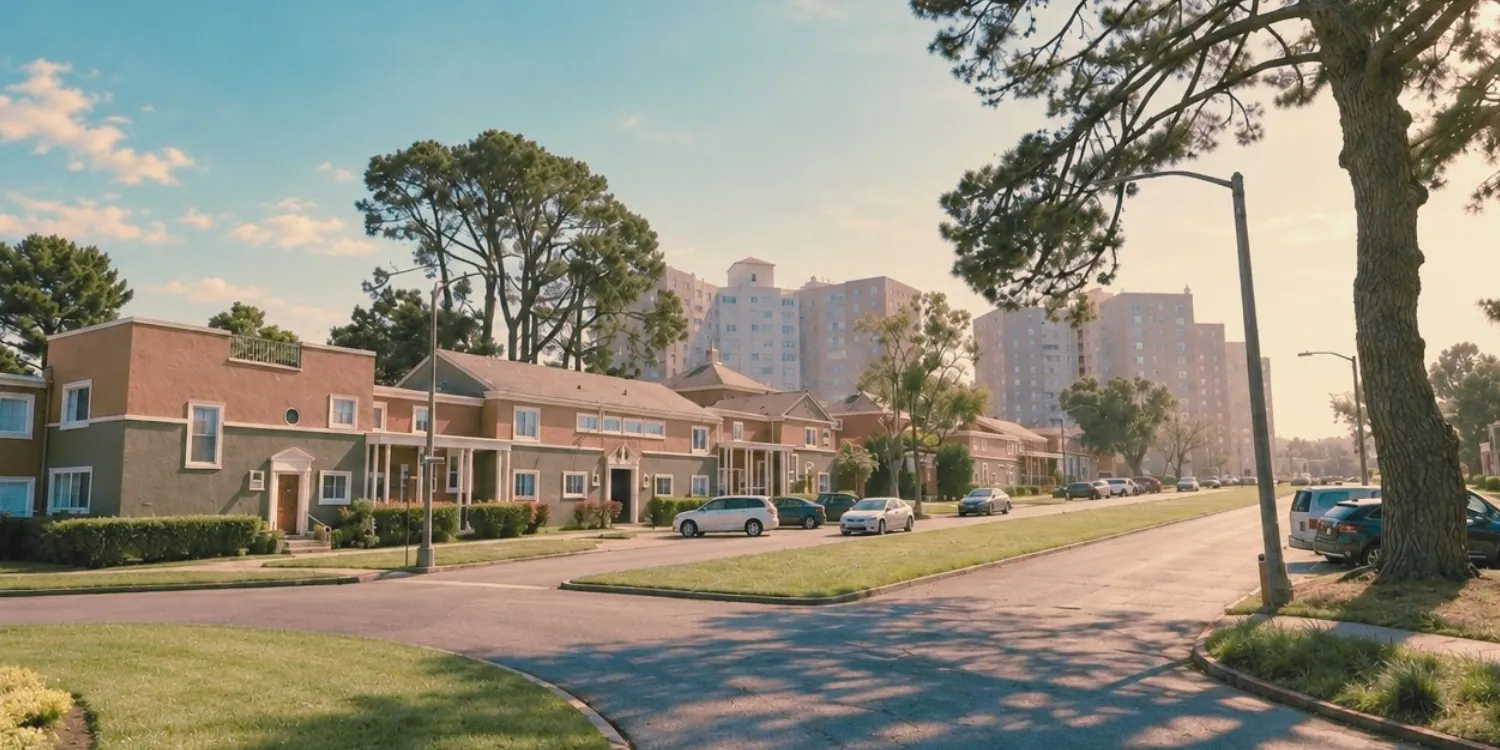
It was junior year of high school, and a deal had been struck between me, my mother, and my fairy godmother Marie.
My mother and I weren’t doing so well during this time. We were arguing incessantly or not talking at all because if what I said fell on deaf ears, then why waste my breath? Her priority wasn't understanding me. It was controlling me. One of the perks of being a first-generation American with a single mother from the Philippines, I suppose.
My mom had moved out of San Francisco in the middle of my school year. There was absolutely no way I was moving to the suburbs, so we struck a deal. During the week, I could live with Marie for a very modest rent, but I had to get a job and pay for it myself. On the weekends, I’d go home to my mom.
Marie had been my childhood babysitter. By this point, she was something closer to family. More importantly, my mother trusted her, which is the only reason this little act of minor independence was allowed. It was supervised.
On this particular weekend, I decided to stay in town a while longer. I wanted to, surprise surprise, go to a party on Friday night. It was Halloween, and I didn’t want to miss out on the biggest night of the year, which, in retrospect, amounted to getting drunk and talking about nothing. But, you know. YOLO.
I crashed at my friend’s house. I remember waking up hungover, gastrointestinal consequences looming, and an overwhelming feeling of wanting to go home. I had my go-bag with me so I didn’t have to embarrass myself on the 28 Muni line dressed like a hooker.
I wasn’t ready to go to my mom’s house yet, but as far as I understood it, I wasn’t supposed to go back to my “home” here. We had a deal.
Still, I hopped off the bus near Marie’s, my “home.” She was hosting a barbecue with family and friends in the communal backyard behind her apartment.
I sat on a corner across the street, hidden by a tree. Their voices carried through the passageway between the buildings. I stayed out of view and watched from a distance, convinced that I wasn’t welcome, even for a minute.
I don’t know why I sat there for as long as I did. It was hot, especially in a hoodie. I was sweaty and uncomfortable, feeling like a stranger in my own world, which made me wonder whether it was a world I belonged to at all. A conditional world.
I dodged every eye I met, even those from passing cars. I hid my go-bag so strangers wouldn’t think I was homeless, as if this one clue revealed I was sitting outside on a sunny day not for pleasure but to wait out time.
And even though I had made the choice to stay in town, it didn’t invalidate what I was feeling: completely alone.
I ended up taking the train to my mom’s house. It wasn’t where I wanted to go, but it was where I could. For all the conditions I felt were attached to my mother’s love, I don’t think I’ve ever stopped to appreciate the one thing that never was conditional: her home.
Years later, I’m still not sure what this idea of “home” really is. I’ve moved in and out of Los Angeles apartments more times than I’d care to discuss. Not because I couldn’t pay for them, but because they never felt like mine.
I’m still more comfortable living out of a suitcase in a nice hotel, where the expectations are simple. If I need something, I ask. I pay for a service and get what I need. Those conditions I understand. Human relationships are a little more complicated than that.
Maybe that’s part of why I’m still invested in my work with Totem. Facilitating support groups was never something I imagined I’d spend my time doing. Sometimes I throw little tantrums to myself because I don’t always want to be the person responsible for creating an emotional home for people who need one.
But I know how awful it feels to have nowhere to go. So I do it.
Because that’s my room.
And if I’m in a position to open that door to someone who really needs it, I will.