It’s Chronic Pain Awareness Month, and this is my first chronically raw, messy, unfiltered blog.
As I was reflecting and writing this, I realized I haven’t heard many stories like mine. What I mean is—the end of this blog won’t include answers, a diagnosis, recovery, or closure. It doesn’t end with an inspiring outcome where I tell you to keep medically searching and do not give up.
Don’t get me wrong, I would love an outcome like that. To never feel pain again? Sign me up. But that’s not my journey or reality.
For me, the peace I’ve found from ending that kind of search feels, I imagine, similar to the peace people feel when they finally get answers. Right now, this is a really good place for me to be. I wasn’t sure where writing this down for the first time would take me, but I’m trusting the process.
This is the first time I’m telling my story.
Movement, Competition, and Beautiful Chaos: Life Before Pain
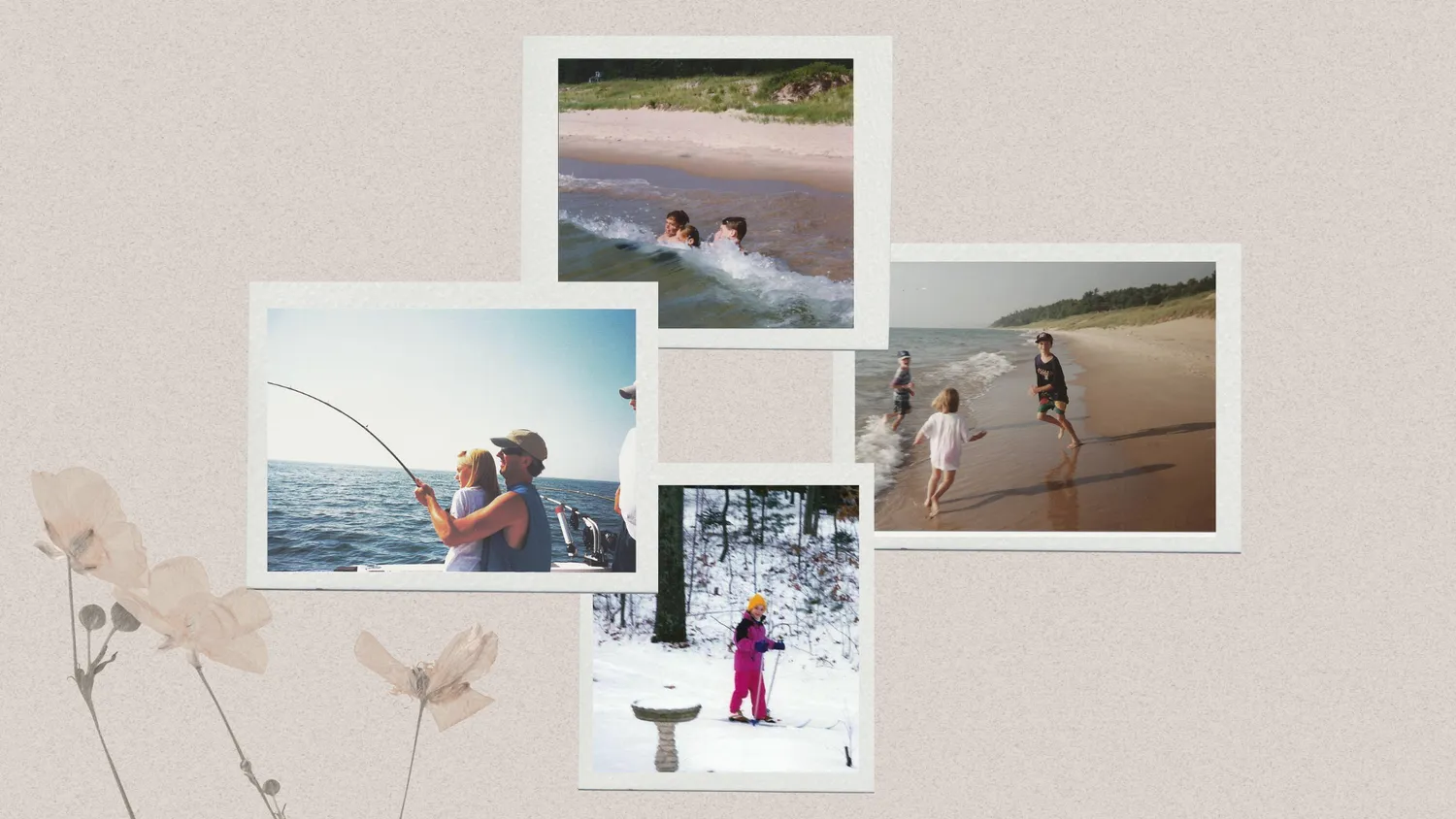
To understand my story, you need to understand Claire.
I grew up in a small rural community with two older brothers, mom, dad, and cats. I was active, curious, and getting into shit I shouldn’t. Digging up worms in the backyard, making an absolute mess and blaming it on my brothers, and trying to sneak out of the house and getting caught, because walking past your dad lying on the couch is kind of a sign he’s going to catch you.
I was a little blonde chatterbox, who never ran out of steam. I loved soccer. No, I was obsessed with soccer, and I was good. Mia Hamm was my idol, and I had posters—actually, some were cut-out calendar pictures—plastered all over my room of the USA women’s soccer team. I’m realizing now how chaotic my room looked, but I sure thought I was a badass. My dream was to be a four-year varsity player—and this nightmare (stay tuned) came true.
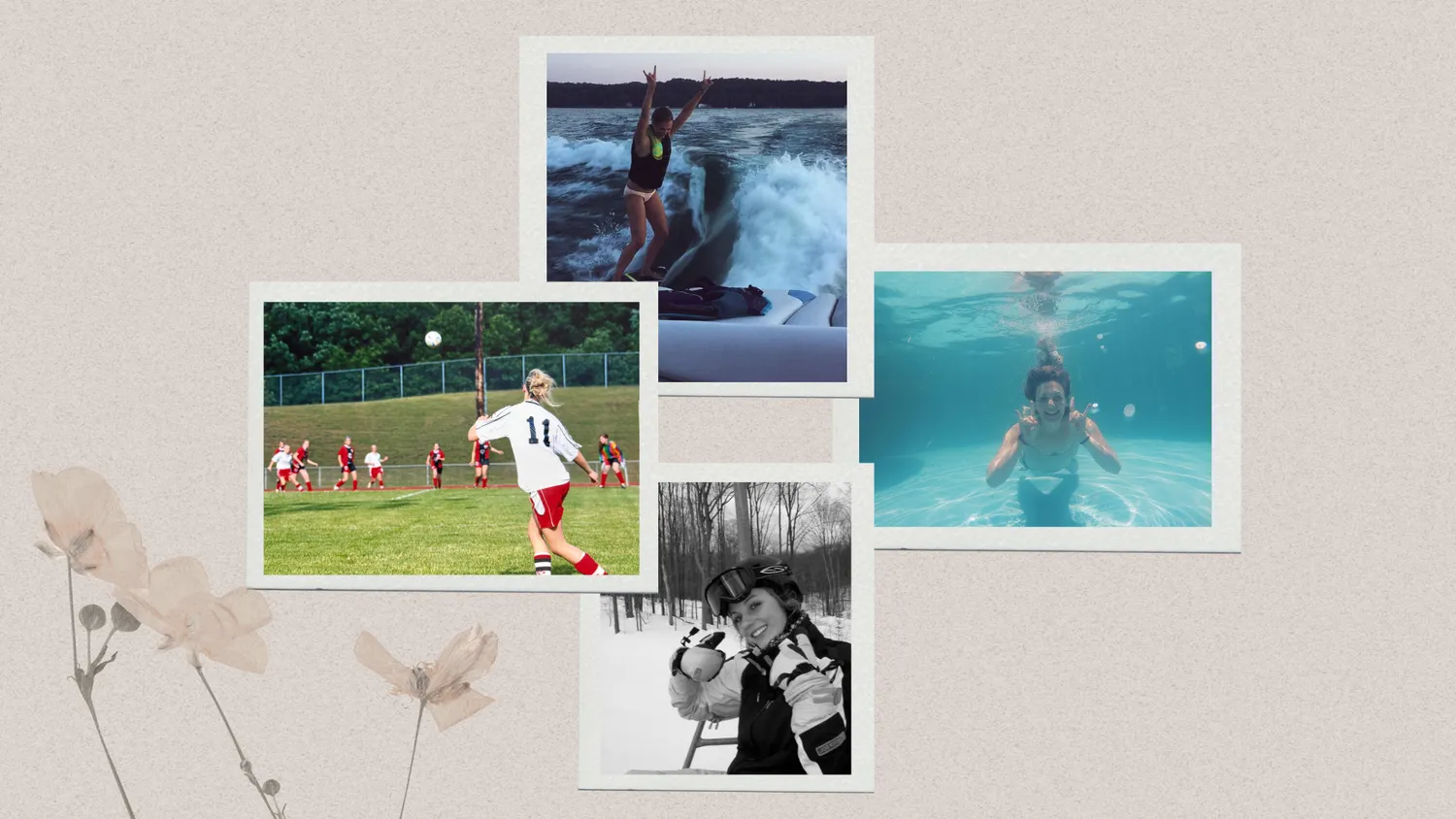
I loved swimming, tubing, wakeboarding, slalom skiing—anything to do with water, rollerblading, volleyball, basketball, hitting tennis balls against the garage door. I always wanted to be with a friend, always doing something.
My whole identity was movement, competition, laughter, and being social.
Meeting and Recognizing Trauma for the First Time
This next bit about me is a blog for another day but important to introduce now.
Every summer I was stoked to go to the fair and ride the Zipper 200 times. However, the summer before high school hit a little differently than the summers before. I ended up meeting a boy in a grade above me. He was a jock, popular, cool, and I was smitten.
Long story short, I “fell in love.” Spoiler alert—I fell into an abusive relationship. Again, that’s a part of my story for another day.
If this wasn’t enough trauma, I also had my love for soccer and confidence shattered by the coach I dreamed of playing for. He, too, was abusive. When you make players read your rage letters about how badly they played, for the three minutes you put them in for, to the whole team, insult your special education students, and spread rumors about a player being anorexic—that’s abuse, plain and simple.
This was the start of a narrative that made me feel helpless and only grew feeling more and more permanent.
I’m telling you this because while the layered abuse was untreated and ignored, my body kept the score. My chronic pain pressed play and got stuck on repeat.
It started with my period—horrific bleeding, clotting, pain head to toe, throwing up. I missed school. I couldn’t think. Then came the headaches – paralyzing, spreading into my jaw, neck, shoulders.
I got put on birth control—it helped the periods, but the pain stayed. My OBGYN told me I was being dramatic. My PCP shrugged because his treatment plan to “take 2 Tylenol with 2 Ibuprofen every 4 hours” didn’t cut it.
Suddenly it felt like my pain wasn’t just mine—I had to manage the doctor’s disappointment, like my unsolvable body was a bruise to their ego.
There I was, 14. Still figuring out tampons. Still developing. In pain no one believed. Abused. Vulnerable. Acting out.
I broke my parents’ porch door running from my abuser. I cried. I lied. I did things I barely remember. I look back now, and those weren’t just mistakes or rebellion—they were a scream for help. A teenager with no language for abuse, no words for what was happening, and no adults connecting the dots.
Next, my parents put me in therapy.
I love them, and I know we were all trying to figure it out with no instructions, but damn—why a male therapist? He drew me a picture of the two car accidents I was in while driving to my abuser’s house, like I forgot I was in them. He scolded me, questioned me.
Everyone was so mad at me for those car accidents, which now as an adult, I can understand. What no one knew was that if I didn't go to his house, mine and my family's lives were being threatened. Abuse doesn't wait for adulthood, and I will tell that story another day.
Instead of therapy being, “We don’t understand what’s going on here, but here’s a safe space to explore together,” it was, “You keep messing up. Be better.” Another layer to the narrative: Claire is weak, crazy, making things up.
The Search That Took Over My Life
My chronic pain never stops, and the medical roadmap to everywhere—and nowhere—begins.
I’m always nervous about this part of the story because I don’t remember everything. Between the PTSD, concussions, abuse, long-term impacts like brain fog from the pain and treatments - I just don’t have it all clear. Another layer to the narrative: attention-seeking, weak, crazy, making things up.
I wasn’t.
Here’s what I do know.
Chiropractors. Physical Therapists. Occupational Therapists. Massage Therapists. Allergenists. Acupuncturists. Neurologists. Therapists. Psychologists. School Counselors. Fancy Medical Spas. TMJ Specialists. Dieticians. Gastroenterologists. Immunologists. Dermatologists. Rheumatologists. Ear, Nose, and Throat Specialists. Optometrists. Inpatient and Outpatient Pain Clinics.
Botox. Nerve Blocks. Spinal Taps. Trigger Point Injections. Osteopathic and Craniosacral Manipulations. Cupping. Dry Needling. Hundreds of Medications. CBD. THC. Herbs and Supplements. Energy Healing. EMDR. Exercise. Meditation. Electrical Nerve Stimulation. Biofeedback. Elimination Diets.
More pain doctors and specialists than you can count. MRIs, CAT scans, labs, and testing became my norm.
And, yes, I tried yoga and drinking more water.
Doctor after doctor frustrated with their failed treatment plans, a shot to their egos and more important than my debilitating pain.
✨ Imagine a collage of every photo I deleted from those appointments — my attempt to delete the memories too. ✨
As you can see, I did the searching, I did the advocating. But all it did was strip me from a life worth living. By college, I was driving hours each week to doctors, and I was still only 17, 18, 19. My first year tanked academically.
Fun fact: my abuser had moved to the same town.
I was in so much pain I couldn’t focus, read, or remember shit. I had no clue how to balance being sick with trying to have a college life. Somehow I figured it out.
Doctors said I wouldn’t graduate—I did. Said I wouldn’t hold a full-time job—I do (plus a part-time). I wouldn’t be active–I am.
Rewriting the narrative that I’m unwell, dramatic, or making it up has taken so long—and it’s hard as shit.
Living in Pain, Accepting My Reality, and Choosing My Identities
Now, my narrative isn’t about figuring out what’s wrong with me because there’s nothing wrong with me.
I’m living with what I have—and that’s chronic pain. Maybe fibromyalgia. Maybe PTSD. Maybe stress. Cluster headaches. Nerve damage. Scar tissue. Maybe all those things. Maybe not.
It’s hard to admit, but pain management and talk therapy have been the most helpful things. The tricky thing is that the better I get at managing pain and enjoying my life, the more my brain and old narratives want to tell me the pain wasn’t real, that it was caused by me. Trust me, the pain was and is real. Every day, I wake up in pain and fall asleep in pain. I truly have no clue or memory of what a painless life feels like.
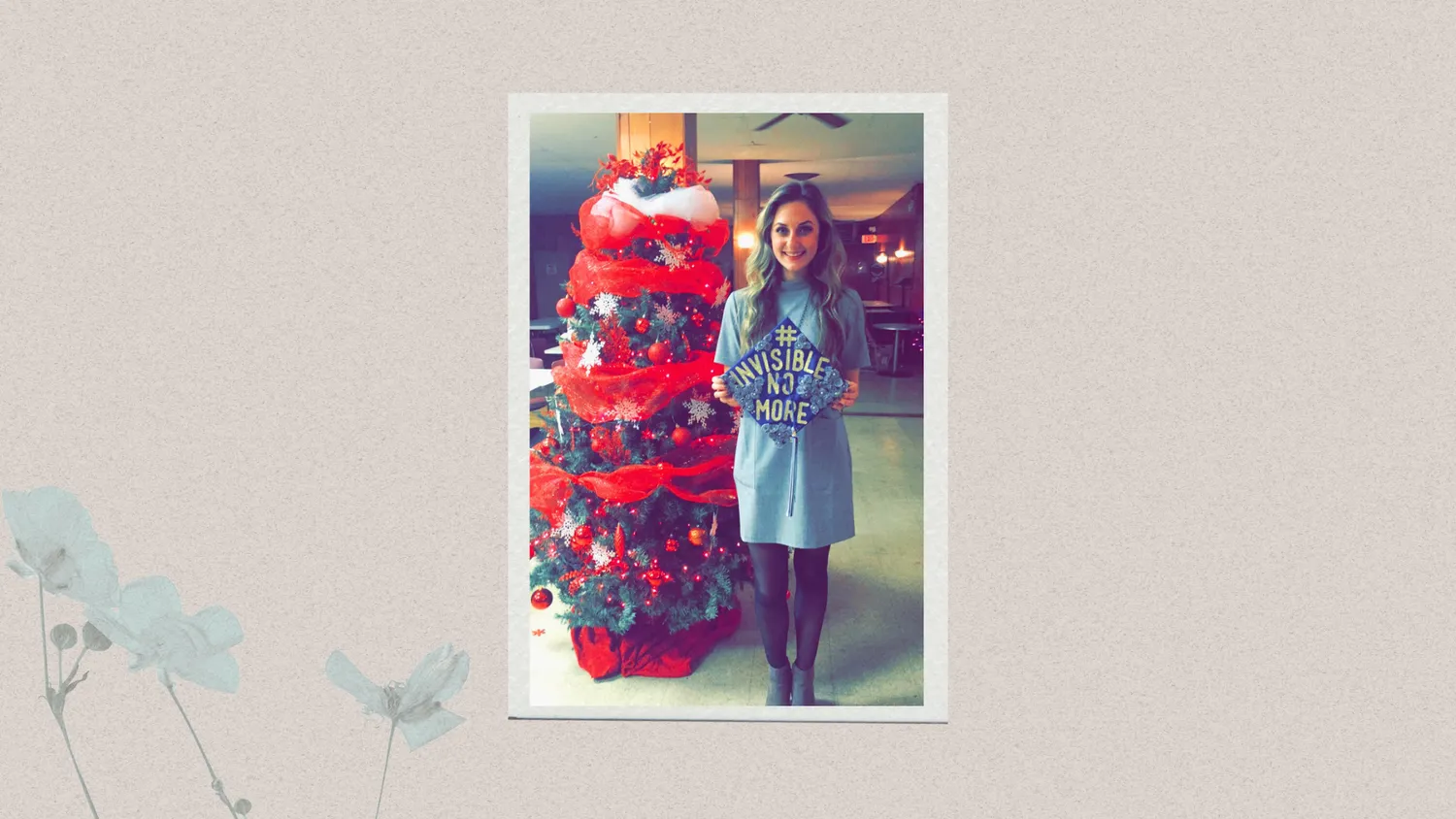
My new narrative and old narrative are connected.
I don’t search for answers anymore, and it’s probably no surprise that I hate labels. Contradictorily, there are some I’ve welcomed along the way: Spoonie. Survivor. Passionate. Curious. Quirky. Accomplished. Anxious.
Sometimes I feel connected to those identities. Other times, they’re deflating, even harmful to my mental health. But I’ve learned I want to be multi-layered and adaptive. I want to choose which parts of me show up when I need them, instead of being boxed in.
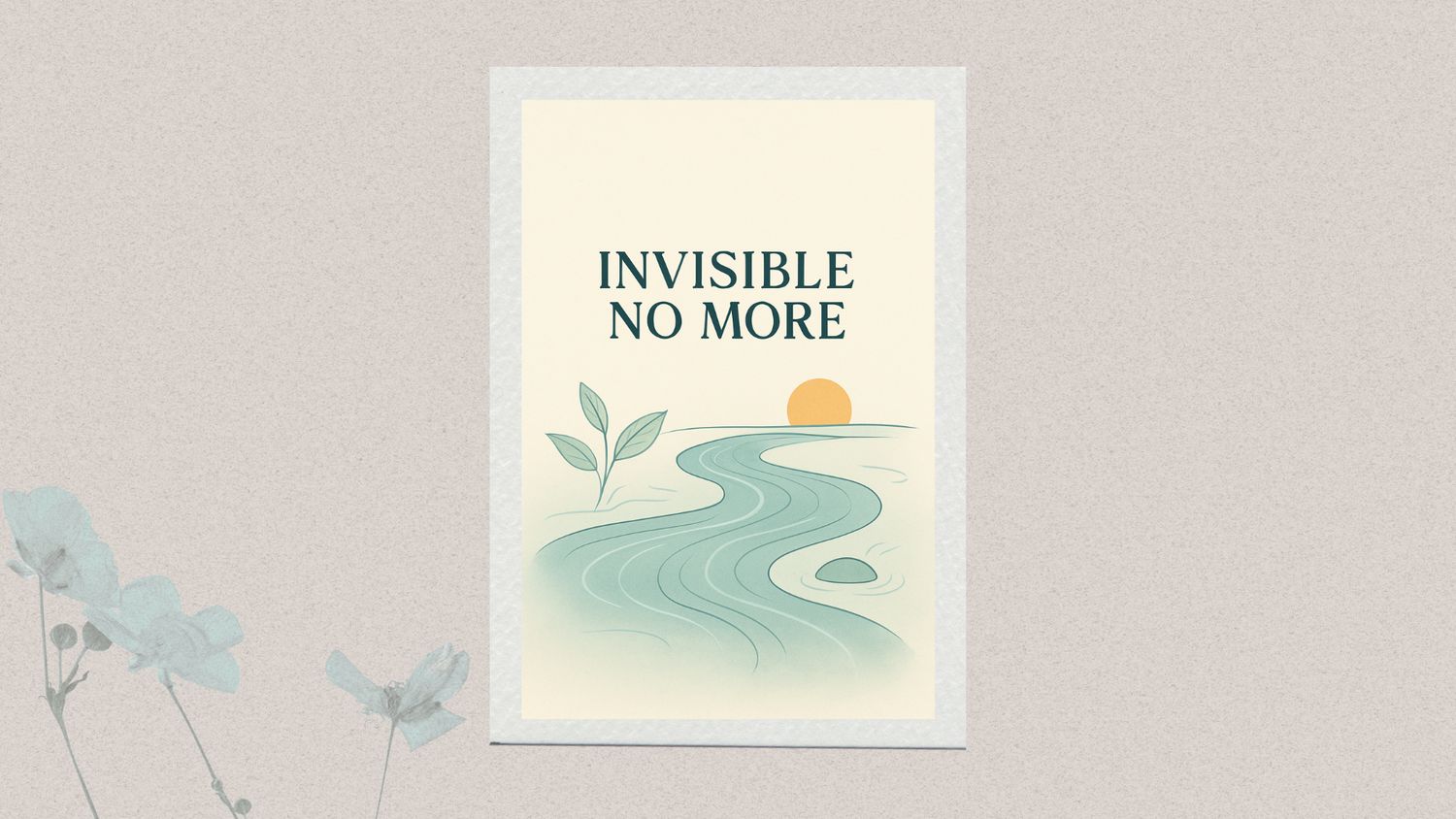
So, here I am—raw and unfiltered. Invisible no more.
If any of this lands with you, hold onto it. Honor it. Embrace it. Even if it looks different from mine, I believe your story.
This isn’t the end of mine. It’s just the first time I’m telling it.
Looking for a chronic pain and illness community that won’t judge, prescribe or try to fix you? Check out Still Sick, Still Here.