


I've always been someone who values perspective. My opinions are shaped by thought, experience, and reflection—not pulled out of thin air. So when someone pushes back with a narrow take, based only on their limited experience, I feel it in my body.
Like the time I was talking about taking an unconventional career path (I use the word path loosely). This choice involved years of risk-taking, adapting, and, in hindsight, a kind of planning. The person I was speaking with cut me off: "You wouldn’t want to wake up at 40 wondering what the hell you're going to do with the rest of your life."
Their words cut deep. I knew this opinion came from a place of ignorance. But instead of letting it go, I started explaining myself, laying it all out, hoping they'd get it.
I didn't just want to be seen, I needed to be understood and for the depth of my decision to be respected. At the time, I never questioned that urge. But through shadow work, I came to see it was rooted in something deeper: a part of me that equated being misunderstood or invalidated with being dismissed, disrespected, or unseen. That part believed that if I couldn't prove my perspective, my worth would have been at risk.
Shadow work has given me language for that reaction. It uncovered the part of me that felt compelled to defend, explain, and earn approval just to feel safe. And it showed me something I hadn't seen before: I had a choice. I could meet that part with compassion, instead of letting it take the wheel.
In this guide, I'll share what shadow work is, why it matters, and how you can begin exploring your own hidden patterns. You don't need to fix anything. You just need to get curious about the parts you've pushed aside and be willing to bring them into the light.
What Is Shadow Work? Understanding the Basics
Shadow work is the soul's quiet rebellion, the sacred act of turning inward to meet the exiled parts of yourself.
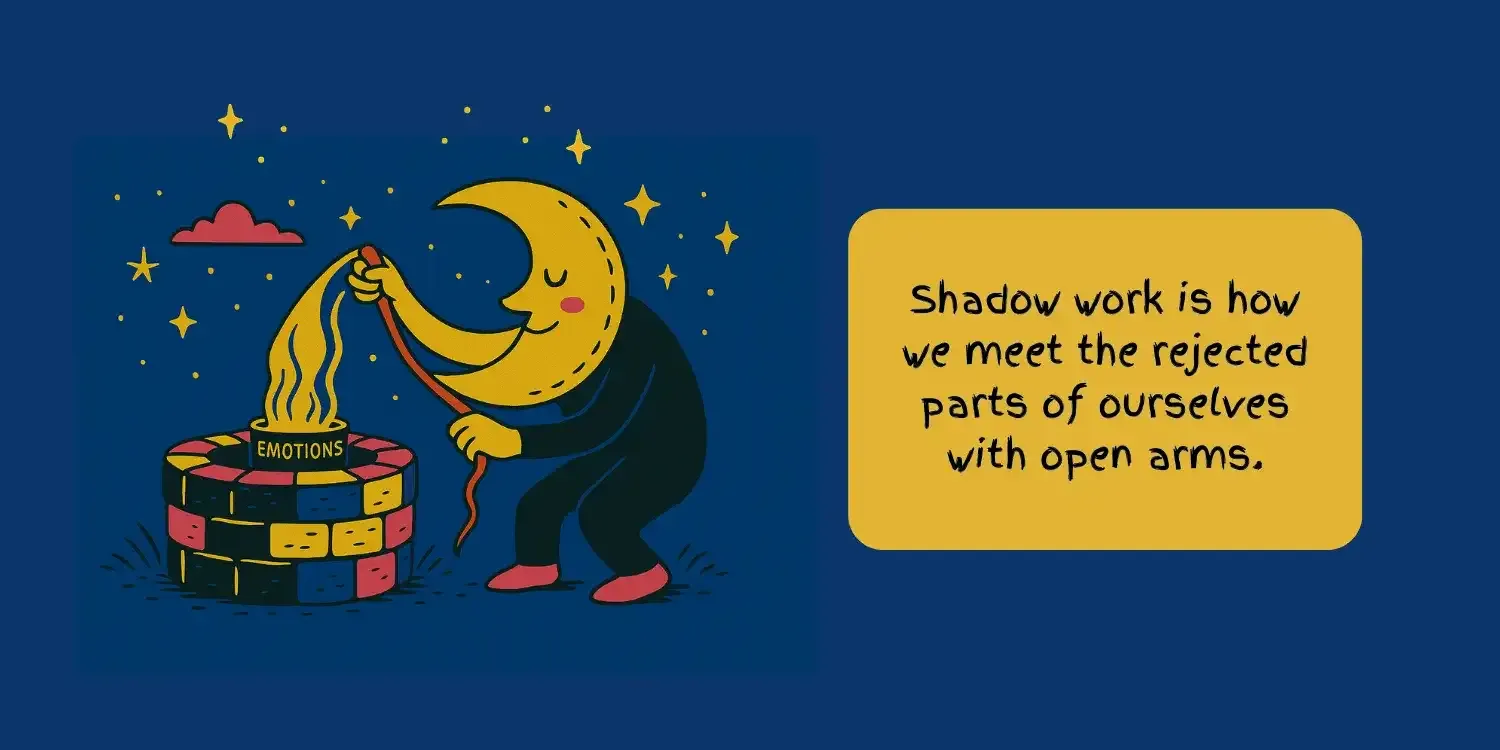
In simpler terms: shadow work is how we meet the rejected parts of ourselves with open arms.
The term "shadow" was first introduced by psychologist Carl Jung, who believed that personal healing and wholeness come from acknowledging and integrating these hidden aspects, not rejecting them. Jung described the shadow as "the thing a person has no wish to be" (Aion: Researches into the Phenomenology of the Self, Carl Jung, 1951)
Your shadow contains:
- Emotions you were taught to suppress (anger, grief, jealousy)
- Parts of yourself you judge harshly
- Childhood wounds that still shape your reactions today
- Traits you admire in others but don't recognize in yourself
As Jung wrote, "One does not become enlightened by imagining figures of light, but by making the darkness conscious" (from Aion: Researches into the Phenomenology of the Self, Carl Jung, 1951).

How Shadow Work Helped Me Break Old Patterns in Life and Relationships
We all carry parts of ourselves we'd rather not look at—thoughts we suppress, emotions we avoid, and stories we picked up without realizing it. These hidden parts don't disappear. In my experience, they tend to show up in sneaky ways:
- Strong emotional reactions to small things
- Self-sabotage through procrastination or perfectionism
- Repeating the same relationship conflicts
- A low-level sense of "not enough-ness"
Starting shadow work helped me name these patterns, instead of being overwhelmed by them. It gave me tools to:
- Notice my triggers and pause before reacting
- Unpack old beliefs that were running on autopilot
- Understand myself in relationships without projecting blame
- Reclaim energy I had spent hiding or managing parts of myself
- Feel more at home with who I really am—even the messy parts
As Debbie Ford, a self-help author and coach, writes in The Dark Side of the Light Chasers, true transformation begins when we stop rejecting the uncomfortable parts of ourselves and start listening to what they’re trying to tell us.

How to Start Shadow Work: A 6-Step Process Anyone Can Follow
Shadow work doesn't require special training or tools, just willingness and self-compassion. Here's how to begin your journey:
1. Create a Container for Exploration
Why this matters: Shadow work can bring up intense emotions. Setting up a safe space—both physically and mentally—helps you process what emerges.
How to do it:
- Find a quiet time and place where you won't be interrupted
- Light a candle or play gentle music if it helps you feel centered
- Take several deep breaths to ground yourself
- Set an intention like: "I'm here to understand myself better" or "I welcome all parts of me with compassion"
Pro tip: Start with just 15–20 minutes. Quality matters more than quantity.
2. Pay Attention to Strong Reactions
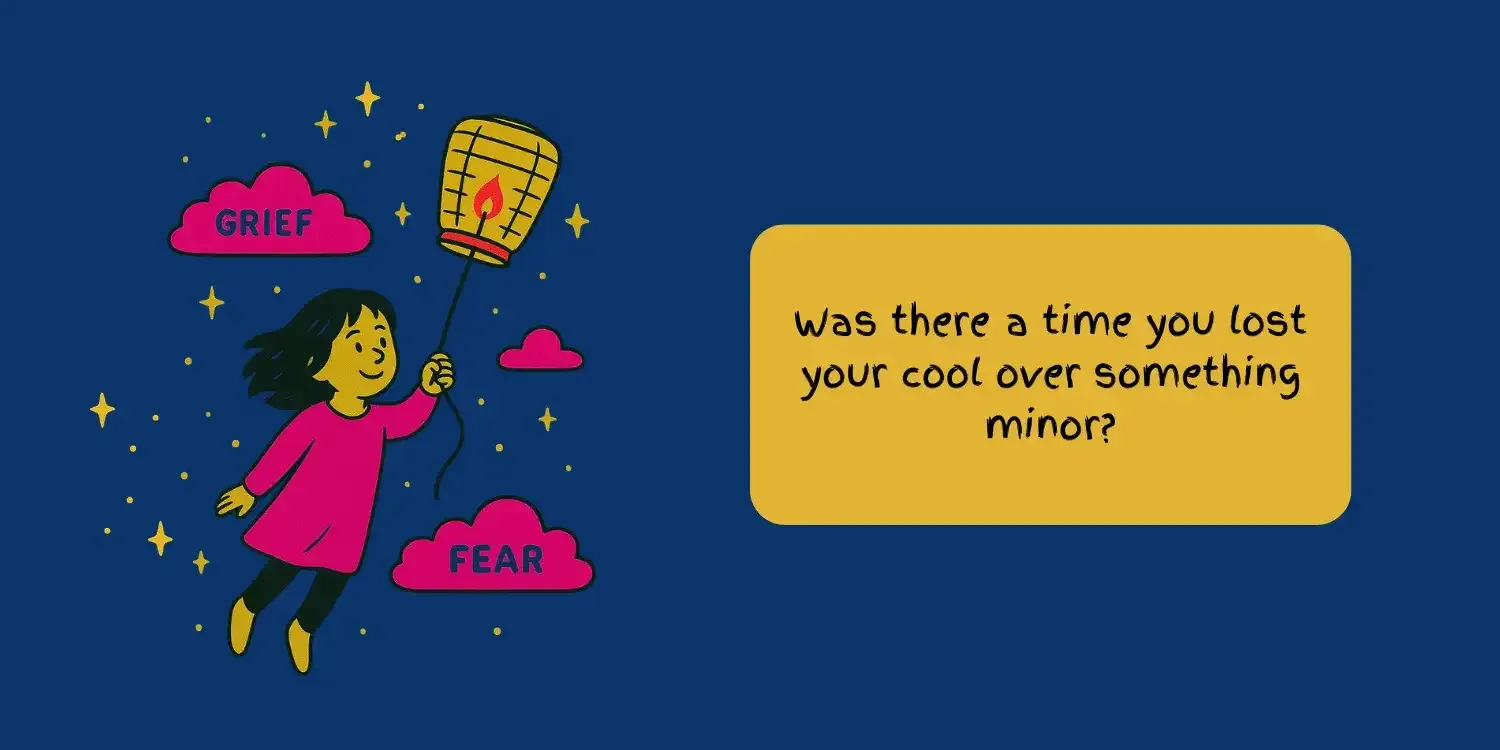
Why this matters: When you have a big emotional reaction to something—more intense than the situation seems to call for—it's often a sign there's something deeper going on. These moments can teach you a lot about yourself.
Option 1: Notice your emotional reactions
- Think of a recent time when you got really upset, withdrawn, or stuck on something small
- Ask yourself: "Have I felt this way before?" or "Why did that bother me so much?"
- Notice how your body felt at the time—tense shoulders, tight chest, lump in your throat, etc.
- These reactions often point to old fears, unmet needs, or beliefs we've internalized
Example: A friend canceled plans last minute, and I felt more hurt than made sense. It wasn't just about the plans—it tapped into an old fear that I'm not worth showing up for.
Option 2: Notice when you judge or criticize others
- Think about a recent time you felt irritated, critical, or superior toward someone else
- Ask yourself: "What exactly bothered me?" and "Have I ever done something similar?"
- Our judgments often reflect parts of ourselves we're uncomfortable with or trying to suppress
Example: I used to feel annoyed by people who constantly sought validation online. Then I realized—deep down, I had a part of me that also wanted to be seen, but I judged it as needy or embarrassing.
What this tells us: Judgments are mirrors. What we reject or condemn in others often points to something unresolved in us—something we don't want to see, admit, or feel. The more charged your judgment, the more likely it's showing you something meaningful about yourself.
As Carl Jung wrote, "Everything that irritates us about others can lead us to an understanding of ourselves."
3. Journal Your Discoveries
Why this matters: Writing externalizes internal processes, creating space between you and your shadow aspects.
Try these powerful prompts:
- "What part of myself am I afraid to show others?"
- "What do I judge most harshly in other people? How might I carry those same traits?"
- "What did I need as a child that I didn't receive?"
- "If my trigger/reaction could speak, what would it say it needs from me?"
Journaling tip: Write without censoring or editing. Let your thoughts flow freely onto the page.
4. Dialogue with Your Shadow
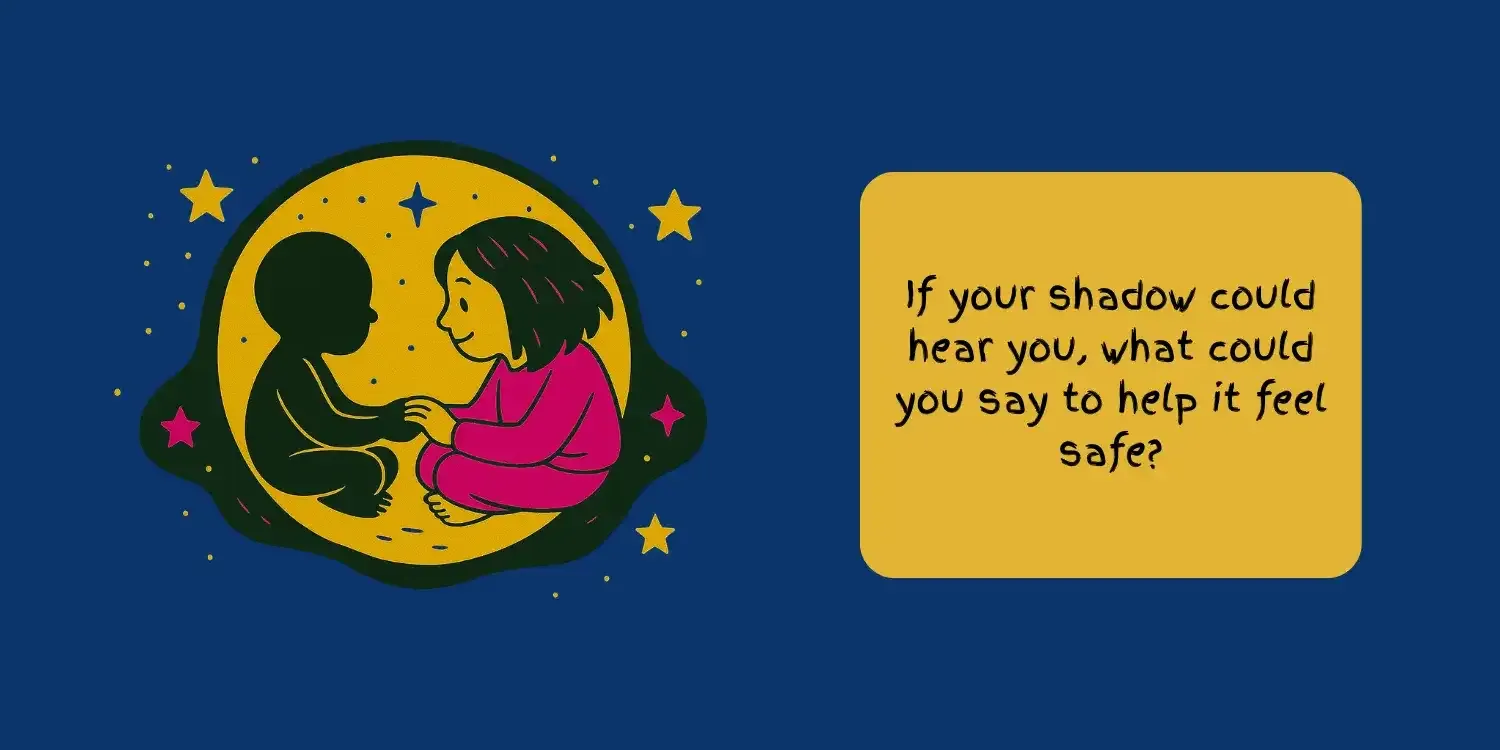
Why this matters: This practice helps you develop a relationship with disowned parts of yourself instead of fighting against them.
How to do it:
- Imagine the triggered part of you as a separate entity with its own perspective
- Write a conversation between your adult self and this aspect
- Ask what it needs, what it's afraid of, and how it's trying to protect you
- Offer it understanding and compassion
Example dialogue:
- Inner Critic: "I'm hard on you because the world is harsh. I'm trying to keep you safe."
- My response: "I understand you're protecting me. Thank you. But we're adults now, and we have new ways to feel secure."
5. Practice Integration Through Small Actions
Why this matters: Real change happens when awareness translates into daily life.
How to integrate:
- Notice when shadow patterns arise in real-time
- Pause before reacting automatically
- Acknowledge the feeling: "I see you, fear of rejection. You're trying to protect me."
- Choose a response that honors both your shadow need and your adult wisdom
Self-compassion reminder: Integration is a practice, not perfection. Be gentle with yourself when old patterns resurface.
My Shadow Work Journey: From Defensiveness to Self-Acceptance
Let's circle back to my story about needing to be understood. Through shadow work, I discovered that beneath my defensiveness was a child who felt invalidated and invisible. My need to explain wasn't about winning arguments—it was about finally being seen.
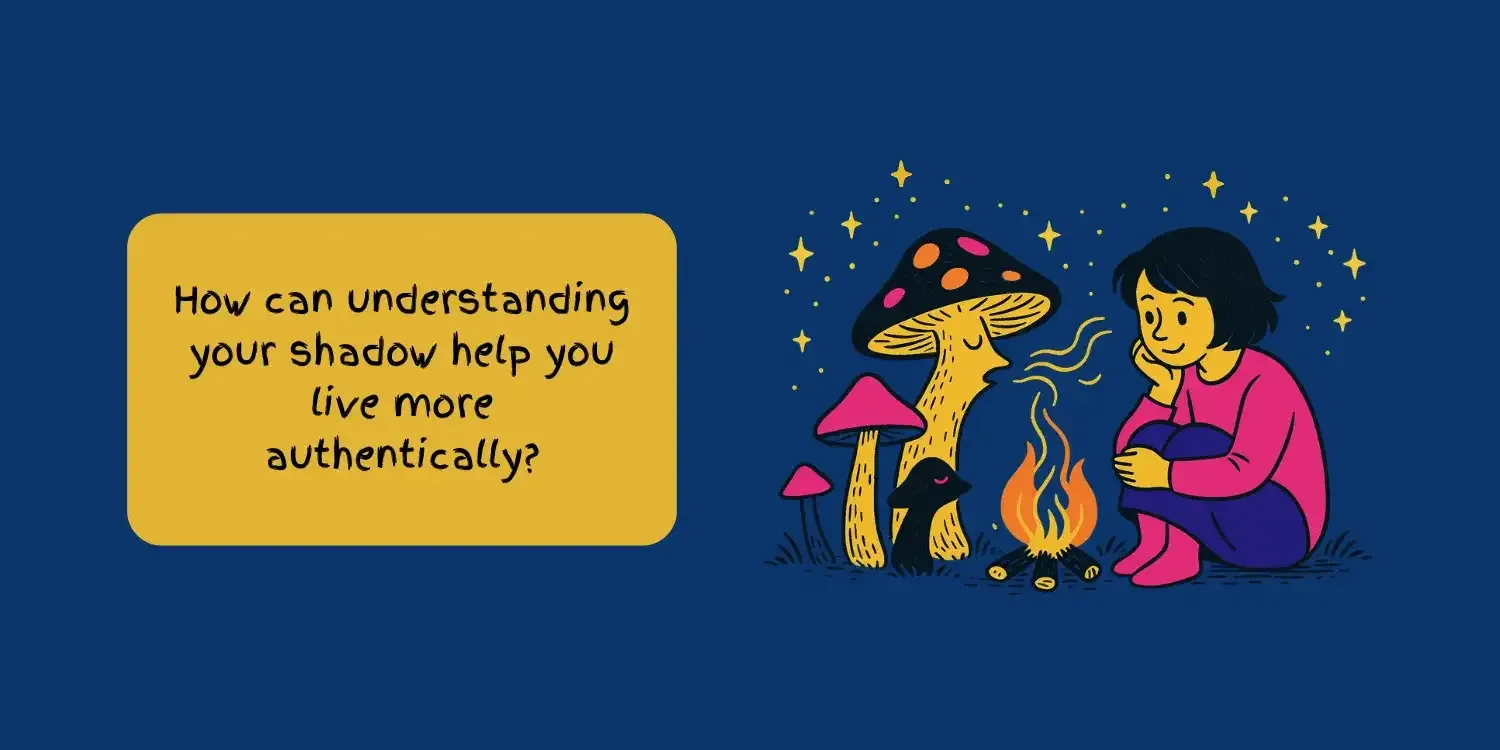
Once I recognized this pattern, I could meet that wounded part with compassion instead of letting it drive my behavior.
These days, I approach it differently. Now when I feel misunderstood, I can pause and ask: "What's really happening here? What does this part of me need?"
Sometimes it simply needs acknowledgment: "I see you. Your perspective matters." Other times, I realize the conversation isn't actually about validation—and I can let go of my need to convince.
This shift hasn't just made me less reactive—it's brought a profound sense of self-acceptance. I no longer need everyone to understand me because I understand myself.
Ready to explore what lies beneath the surface?
👉Join our Love and Emotions Spaces